



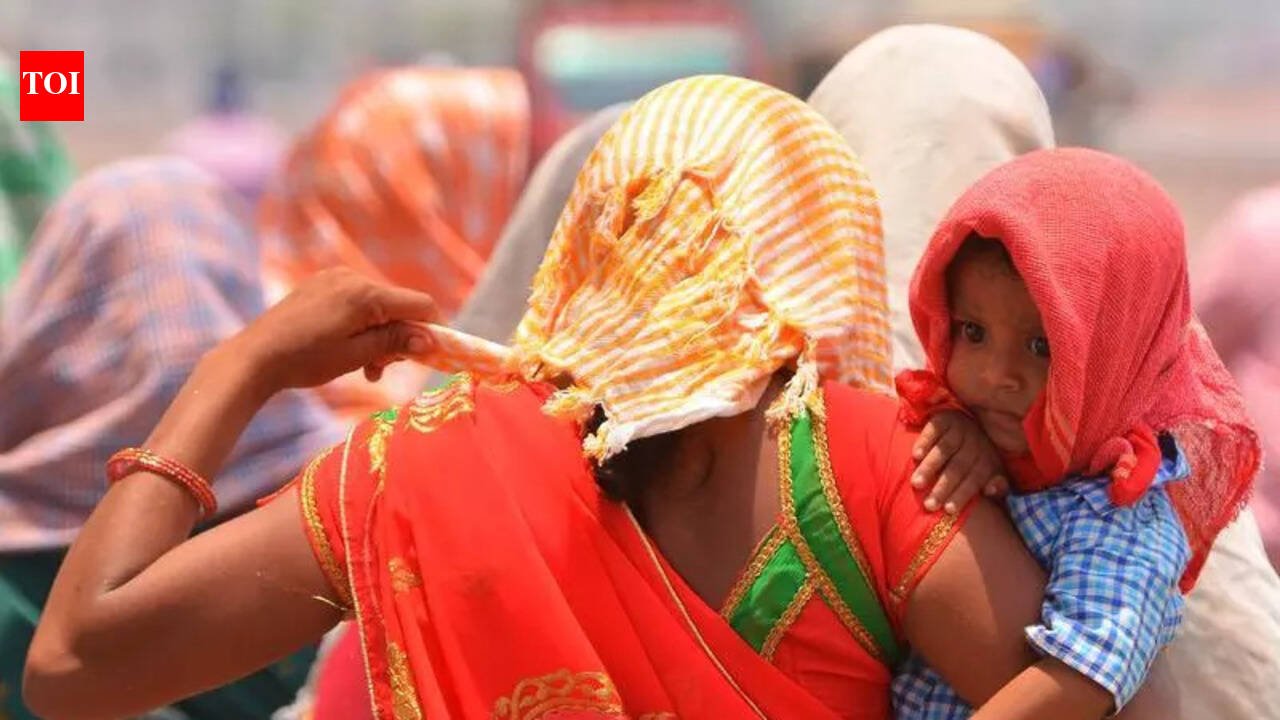
Bengaluru: Even before the peak of summer, Bengaluru and several parts of Karnataka experienced unusually harsh conditions in the first week of March. Temperatures in the city hovered between 32°C and 33°C, while parts of north interior Karnataka approached 40°C. The India Meteorological Department (IMD) has warned of possible heatwave conditions across the state.What particularly concerned weather scientists and health experts was the sharp rise in ultraviolet (UV) radiation levels. On Tuesday, Bengaluru recorded a relatively moderate 32°C, but the afternoon UV Index soared to 13, classified as “extreme” under World Health Organization (WHO) standards. In comparison, Kalaburagi, which registered the state’s highest temperature at 38.2°C, recorded a lower UV Index of 10, rated as “very high.” Sources at IMD Bengaluru noted that although temperatures remained below the early summer threshold of 34°C, the rapid rise in UV levels—from 10 to 13 in less than two days—was a cause for concern. “Any UV Index reading above 8 is considered harmful, and prolonged exposure at current levels significantly increases the risk of sunburn, premature skin aging, eye damage, and, over time, skin cancer,” an IMD official said.CS Patil, a scientist at IMD Bengaluru, explained that UV intensity largely depends on the thickness of the ozone layer, which shields the Earth from harmful radiation.Health experts have warned that the combination of high heat and extreme UV exposure could accelerate dehydration, heat exhaustion, and heatstroke, particularly among outdoor workers such as traffic police, street vendors, and construction labourers. Children and the elderly are especially vulnerable.Urban centres like Bengaluru and Mangaluru face additional risks due to reflective glass façades, expansive concrete surfaces, and shrinking tree cover, which intensify heat absorption and radiation. A dermatologist from a leading hospital chain said: “Rising UV levels may also strain public health systems as cases of heat-related illnesses, skin allergies, and eye irritations increase.”Senior officials from the health and family welfare department have urged citizens to take precautions, including wearing full-sleeved cotton clothing, wide-brimmed hats, UV-protective sunglasses, and high-SPF sunscreen. Schools are advised to consider rescheduling outdoor activities, while employers could explore staggered work hours to reduce exposure during peak midday heat.


