



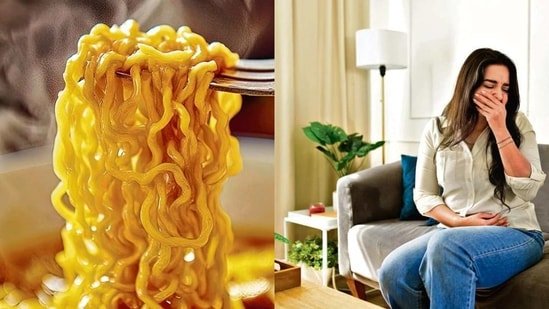
Gen-Zs and millennials will instantly agree; whether it is a late-night study session, an intense gaming marathon, or just a lazy Sunday fix, a packet of instant noodles is the ultimate fast fuel that’s tasty and ready in minutes. But recent incidents have highlighted the importance of checking the expiration date behind the packet. At least two consumer court cases in India this July have pushed the conversation around packaged food safety, supply chain negligence, and wellness into the spotlight.
In Kangra, Himachal Pradesh, a father purchased a packet of Spicy Korean instant noodles from a major retail outlet in Bhawarna. Soon after eating a portion, his minor daughter began vomiting and fell severely ill. Upon examining the wrapper, the family discovered the product had expired nearly three months prior to the sale. The Kangra District Consumer Commission penalised the retailer with a total fine of र20,000, stating that “failing to clear its expired inventory is a classic instance of independent retail negligence”.
There was another case in Andhra Pradesh’s Kurnool district, where a customer purchased two packets of instant noodles from a prominent retail mart. The same night he consumed them, he developed a high fever, acute stomach pain, and persistent vomiting. He was diagnosed with severe food poisoning. It was later revealed that the packet had already passed its expiration date. The consumer court directed the retail chain to pay a ₹2.8 lakh penalty.
How expired instant noodles can turn harmful
People often assume that because instant noodles are dehydrated and fried, they cannot rot like fresh produce. Experts highlight the reasons why it’s a bad idea to eat expired instant noodles.
- Chemical degradation of fats: Instant noodles are deep-fried in palm or vegetable oils during manufacturing. Especially past the expiration date, these fats oxidise and turn rancid, which can irritate the gastrointestinal tract.
- Damaged sachets: The flavouring tastemaker sachet contains dehydrated spices, salts, and sometimes milk solids or animal extracts. If the packet experiences microscopic tears or temperature fluctuations in a warehouse, it introduces moisture. This transforms the seasoning into a breeding ground for pathogens like Salmonella, E. coli, or molds.
- Compromised seals: As plastic packaging ages beyond its engineered shelf life, it becomes brittle. Micro-perforations allow ambient humidity and environmental toxins to seep in, fundamentally changing the product’s internal biochemistry.
There is no reason to be afraid of eating instant noodles as long as you do it occasionally, says nutritionist Kavita Devgan. “The real issue is eating any packaged food after its expiry date. Instant noodles are designed to last because they’re dry and sealed well. But once they cross their expiry date, the manufacturer can no longer guarantee their safety or quality. It’s simply not worth taking a chance with expired food,” adds Devgan.
Safety checks
Before you rip open that next packet of instant noodles, take some extra seconds to:
- Look at the expiry date
- Inspect the packaging for tears, swelling and punctures
- Avoid buying puffed packets
- Discard products with an unusual smell or discolouration
How to cook instant noodles safely?
Most cup noodles are packaged in food-grade plastic or paper containers with a protective food-safe lining. These are generally considered safe when used exactly as directed. “However, consumers should avoid using damaged cups or microwaving containers unless they are specifically labelled as microwave-safe, as excessive heat or damaged packaging may increase the migration of certain chemicals into the food,” warns nutritionist Nisha Mandal, Motherhood Hospital, Gurugram.
You should also store noodles in a cool, dry place and prepare them according to the manufacturer’s instructions using safe drinking water.
What to do if you feel unwell?
If you develop food poisoning symptoms after eating an expired food item;
- Hydrate aggressively: Sip ORS or clear fluids frequently; dehydration is the biggest immediate risk.
- Eat light: Consume bland foods like rice, banana, curd; avoid spicy, oily food, caffeine, milk and alcohol.
- Don’t self-medicate: Avoid anti-diarrhea medicines and antibiotics without medical advice.
- Know the red flags: Blood in stools, high fever, persistent vomiting, reduced urine output, or symptoms beyond 48 hours need urgent medical attention.


