



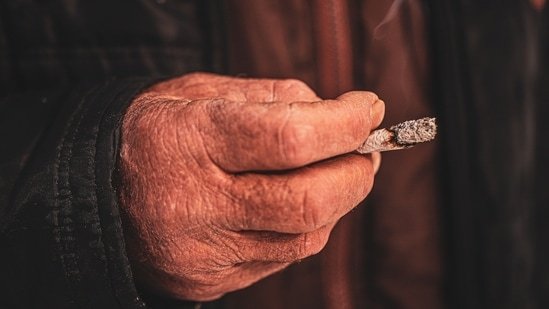
Taking a quick smoke break is part of the regular working hours for many people. And in the middle of a busy day, a cigarette or a helping of chewing tobacco can seem harmless, especially when woven into tea breaks, office conversations and social gatherings.
Also Read | What to eat after fasting? Raipur-based oncologist Dr Jayesh Sharma explains
However, according to surgical oncologist Dr Vineet Kaul, these seemingly brief habits trigger a chain of irreversible health problems that extend far beyond stained teeth or bad breath.
In an interaction with HT Lifestyle, Dr Kaul explained how tobacco use silently damages the body over the years, often showing symptoms only when complications become severe. They can cause health issues ranging from breathing disorders to heart disease and oral cancer.
Smoking affects the overall body
There is no safe form of tobacco, shared Dr Kaul. Whether smoked or chewed, nicotine and carcinogenic chemicals enter the body within minutes and gradually damage tissues.
As per the oncologist, tobacco users face a higher risk of cancers of the mouth, throat, lungs, and oesophagus. Beyond cancer, it also contributes to hypertension, stroke, and chronic respiratory illnesses.
“What starts as a five-minute ritual can eventually affect eating, speaking, and even routine daily activities, making recovery physically and emotionally challenging,” stated Dr Kaul.
Warning signs are often ignored
The danger with tobacco-related illnesses is that they develop quietly, warned Dr Kaul. Symptoms that people often ignore include:
- Persistent mouth ulcers
- Difficulty swallowing
- Unexplained weight loss
- Chronic cough
- Changes in voice
“Delayed diagnosis frequently means the disease is detected at an advanced stage,” shared the doctor. “In severe oral cancer cases, a mandibulectomy may be performed, which involves the removal of part of the jawbone to control the spread of cancer. Such procedures can significantly affect appearance, speech and quality of life.”
Small lifestyle choices make a big difference
Small lifestyle changes and timely action can significantly reduce the risk and support a tobacco-free life. These include:
- Quitting triggers early: Identify situations that encourage tobacco use and replace them with healthier habits like walking or chewing sugar-free gum
- Keeping stress in check: Stress fuels addiction. Meditation, exercise, and quality sleep help reduce cravings naturally
- Getting regular screenings: Dental and health checkups help detect early warning signs before complications become serious
- Building a supportive circle: Friends and family encourage accountability and help motivate during the tough journey of quitting
- Seeking professional help when needed: Nicotine replacement therapy, counselling, and tobacco cessation programs can improve the chances of successfully quitting and prevent relapse
“Healthy living is a daily commitment,” stated Dr Kaul. “Regular exercise, a nutritious diet, plenty of water, and proper stress management will keep long-term health on track. Quitting tobacco will not only help you lower your risk for cancer, but it will also help you boost your energy, skin health, and well-being. It seems like a 5-minute habit today, but a healthier lifestyle can keep you healthier for life.”
Note to readers: This article is for informational purposes only and not a substitute for professional medical advice. Always seek the advice of your doctor with any questions about a medical condition.
Dr Vineet Kaul is a Consultant in Head and Neck Surgical Oncology in Manipal Hospital, Gurugram. His qualifications include MBBS, MS in ENT, and a fellowship in Head and Neck Surgery and Oncology at IFHNOS, MSKCC, New York.


