



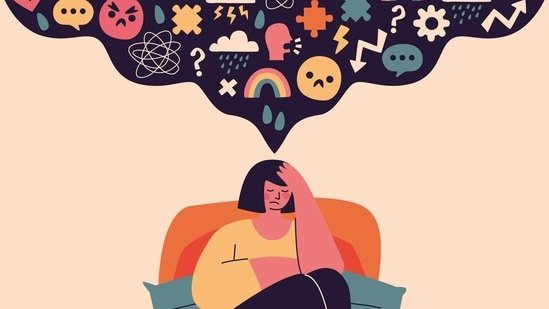
Over the past decade, mental health has finally started getting the attention it deserves in India. Therapy, once whispered about, is now openly recommended, universities have counselling services, workplaces offer therapy benefits, and social media constantly nudges us to seek professional help. (Also read: Psychiatrist with 22 years of experience shares ‘best things’ to do every morning for your mental health )
Deek Parassini, well-being coach and truth-based transformational guide, shares with HT Lifestyle, “Therapy has helped many people process trauma, manage anxiety, and develop healthier perspectives. But here’s the thing, it doesn’t work the same way for everyone.” He adds, “Understanding why requires looking beyond the therapy room and examining the social, relational, and environmental contexts in which our struggles arise.”
Different problems require different responses
“Not all emotional distress comes from a psychological condition,” says Deek. “Many struggles are situational, family conflicts, financial stress, loneliness, identity confusion, or life transitions. Therapy can provide insight and coping strategies, but it may not fully address the underlying circumstances.”
He gives an example: “I once heard of a wife who thought her husband might believe she could poison him. The family assumed it was a mental health issue, but I asked, ‘Where does he eat dinner?’ When the answer was ‘At home,’ it became clear the problem was more about mistrust and unresolved dynamics than a psychological disorder.”
Parenting is another area where context matters. “Children often get phones whenever they cry or refuse to eat. Over time, the device becomes their main coping mechanism. Later, when parents suddenly take it away, it’s no surprise kids react poorly. Therapy alone won’t solve this, it’s about rebuilding routines, communication, and expectations.”
“In India, relationships shape emotional well-being,” Deek continues. “Conflicts with parents, spouses, or siblings can seriously affect mental health. Therapy can help you process emotions, but resolving the root issues often requires dialogue, patience, and collective effort. Emotional health isn’t just an individual thing.”
When distress is social, not clinical
“A lot of emotional struggles today come from social pressures,” says Deek. “Loneliness in big cities, social media comparisons, demanding work cultures, and unstable relationships, all of these add up.” He stresses that psychological techniques alone often can’t fix these problems. Lifestyle changes, stronger support systems, and healthier environments are essential.”
Deek points out, “Therapy works best when it’s part of a bigger ecosystem, supportive relationships, stable routines, meaningful work or study, and environments that encourage openness and trust. Insight alone won’t produce lasting change if the environment stays toxic.”
“India is finally talking about mental health openly, which is fantastic,” he concludes. “But the next step is deeper. Therapy is valuable, but lasting change happens when insight is paired with healthier relationships, balanced environments, and an understanding of the contexts shaping our struggles. Emotional well-being isn’t just about the mind, it’s about life itself.”
Note to readers: This article is for informational purposes only and not a substitute for professional medical advice. Always seek the advice of your doctor with any questions about a medical condition.


