



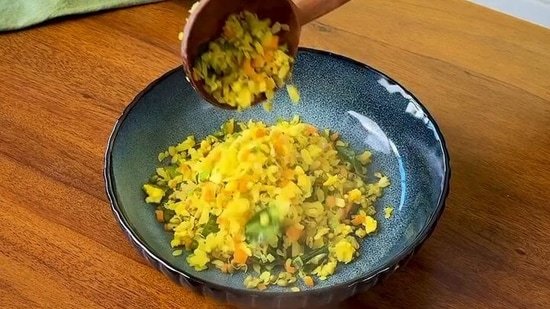
Poha has long been a breakfast staple in Indian households, but for those focused on fitness, it’s often sidelined as just another carb-heavy dish. The truth, however, is far more nuanced. When prepared thoughtfully, poha can be transformed into a wholesome, well-balanced meal – packed with protein, healthy fats, fibre, and essential nutrients. Not only does it make for a delicious start to the day, but it can also provide sustained energy and keep you feeling full, making it an ideal choice for busy mornings.
Luke Coutinho, a wellness coach specialising in holistic nutrition, integrative and lifestyle medicine, has shared a recipe for a protein poha power bowl – a nutrient-dense breakfast designed to fuel busy mornings without the dreaded mid-day slump. In a post shared on X (formerly Twitter) on March 26, he highlights, “Don’t skip eating poha because you think it’s only carbs. We have a perfect balance of about 35 g of carbs, 14 g of clean fats, and 28 g of protein. This is how we can make Indian food tasty as well as protein rich and healthy.”
Check out the recipe below!
Ingredients
- ½ cup (35-40 g dry) thick poha (beaten rice) – rinsed and drained
- ¾ cup (100 g) steamed sprouted green moong
- 75 g A2 paneer, crumbled – protein boost
- ½ cup finely chopped onion, capsicum and carrot
- 1 tsp cold-pressed rice bran oil or A2 ghee
- ¼ tsp mustard seeds, curry leaves and turmeric powder
- Salt – to taste
- 2 tsp lemon juice
- 1 tbsp pumpkin seeds or sunflower seeds – for zinc and crunch
- 1 tbsp fresh coriander or microgreens – for garnish
- A sprinkle of jeera powder and black pepper – for topping (optional)
Tip: If you are vegan, you can simply replace paneer with non-GMO tempeh or non-GMO tofu.
Method (takes only 15 minutes)
- Prep: Rinse thick poha briefly and soak for two to three minutes. Drain thoroughly and set aside, ensuring it remains light and separate.
- Temper: Heat A2 ghee or oil in a pan. Add mustard seeds and let them splutter, then stir in curry leaves and a pinch of turmeric.
- Sauté: Add diced onion, capsicum, and carrot, cooking for two to three minutes until slightly softened while retaining a gentle crunch.
- Add protein: Fold in the steamed moong and crumbled A2 paneer. Stir-fry for about three minutes, allowing the flavours to combine.
- Combine: Gently add the soaked poha along with salt and a squeeze of fresh lemon juice. Mix lightly to keep the texture soft and fluffy.
- Finish: Garnish with seeds, chopped coriander, or microgreens, and top with a sprinkle of jeera powder and black pepper. Serve warm.
Macros per serving
- Calories: 420 kcal
- Protein: 28 g
- Carbs: 35 g
- Fat: 14 g
Nutrient breakdown
Complex carbs
Poha is often labelled as a carbohydrate, but it falls under complex carbs—meaning it is digested and absorbed more slowly in the body. This gradual release helps maintain steadier blood sugar levels, unlike simple carbohydrates that are quickly broken down and can cause sharp spikes. Luke highlights, “Poha is rich in complex carbs. Good quality carbs, a steady source of energy without those crashes.”
Healthy fats
Adding ghee brings in a dose of healthy fats that support both gut and brain health. It also helps sustain energy levels throughout the day, while naturally enhancing the flavour and richness of the dish. The wellness expert states, “This (ghee) is a good quality fat in the right proportions. It’s great for your gut, it’s great for your energy levels, and it’s great for your brain, and it tastes amazing.”
Fibre
Adding vegetables boosts the fibre content of the dish – an essential component of a balanced diet. This fibre not only supports digestion but also feeds beneficial gut bacteria, which in turn produce anti-inflammatory compounds during fermentation. Luke mentions, “With all the additional vegetables, that’s a great source of fibre, and it’s a great source of nutrition and anti-inflammatories.”
Protein
Sprouted moong and A2 paneer come together as a powerful protein duo, supporting muscle recovery while keeping you fuller for longer. Combined, they deliver around 28 grams of protein – an impressive boost for a vegetarian dish.
Other micronutrients
According to Luke, a squeeze of lemon not only brightens the flavour but also provides vitamin C, which helps enhance iron absorption. Sunflower and pumpkin seeds add a nutritional boost, being rich in zinc while also contributing a dose of protein and fibre. Meanwhile, jeera powder supports digestion, and black pepper plays a key role in improving the absorption of curcumin from turmeric.
Note to readers: This article is for informational purposes only. It is based on user-generated content from social media. HT.com has not independently verified the claims and does not endorse them.


