






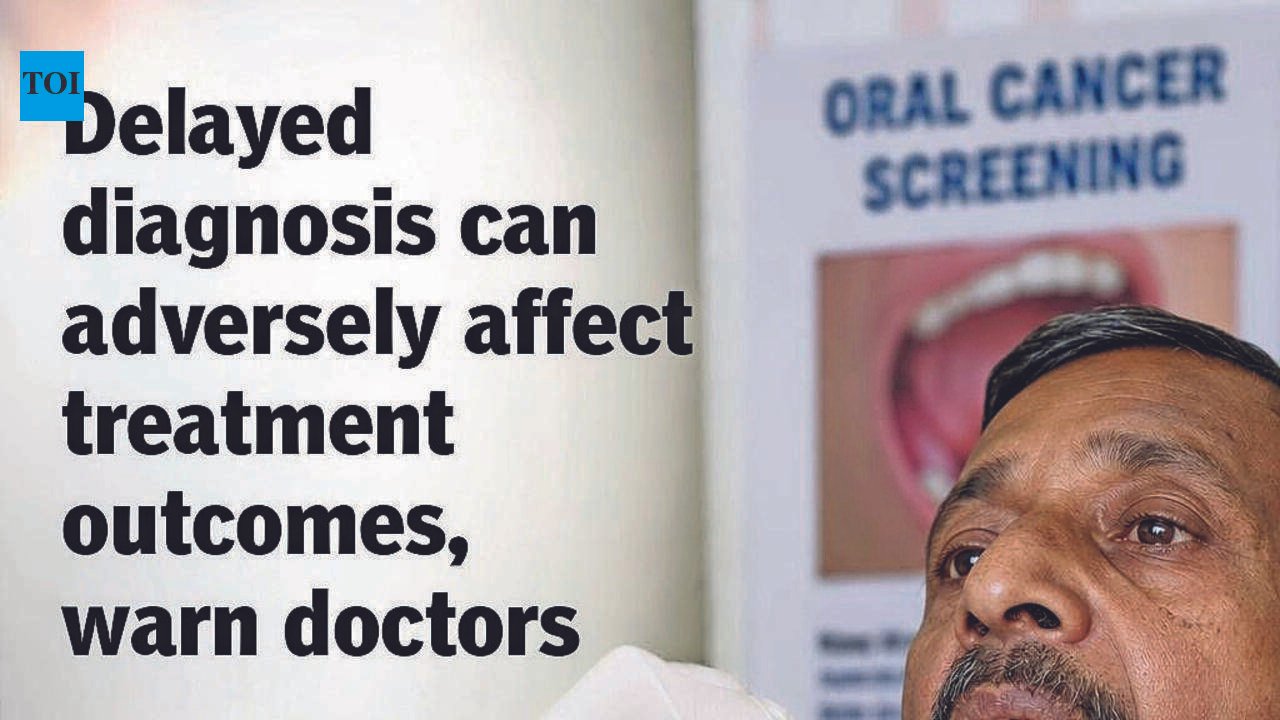
Gadchiroli: Nearly 36% of patients suspected of having oral cancer and subjected to biopsy at the District General Hospital in Gadchiroli since 2019 have been diagnosed with the disease, underscoring the importance of early detection and timely medical intervention in the tribal district.According to hospital data, 334 patients with suspected oral cancer underwent biopsy under National Oral Health Programme, of whom 120 tested positive, resulting in a positivity rate of 35.9%.The screening and diagnostic initiative is being spearheaded by dental surgeon Dr Chandrashekhar Shanagoda, who examines patients with suspicious oral lesions and performs biopsies whenever required. Health officials said the programme has significantly strengthened early diagnosis and facilitated prompt referral of patients for treatment.Doctors have urged residents not to ignore symptoms such as persistent mouth ulcers, non-healing sores, white or red patches inside the mouth, unusual lumps or growths, and difficulty in opening mouth or chewing food. They warned that delayed diagnosis can adversely affect treatment outcomes and increase the risk of complications.Health authorities have identified consumption of gutkha, kharra and chewing tobacco as major contributors to oral cancer in the district. In response, health department has intensified awareness campaigns promoting tobacco-free lifestyles under the guidance of district surgeon Dr Varsha Lahade and additional district surgeon Dr Chhaya Uike.The hospital’s Tobacco Quit Counselling Centre, supervised by psychiatrist Dr Dinesh Khorgade, provides counselling and professional support to individuals seeking to overcome tobacco addiction. Patients are educated about the harmful effects of tobacco and guided through the cessation process.Meanwhile, dental department continues to conduct oral health awareness drives and screening camps across the district. Officials have advised residents to undergo regular oral examinations and seek medical attention if they notice persistent ulcers, swelling, patches or any other abnormal changes in the mouth.Health officials said early screening, diagnosis and treatment remain the most effective tools for improving survival rates and outcomes among oral cancer patients.


