






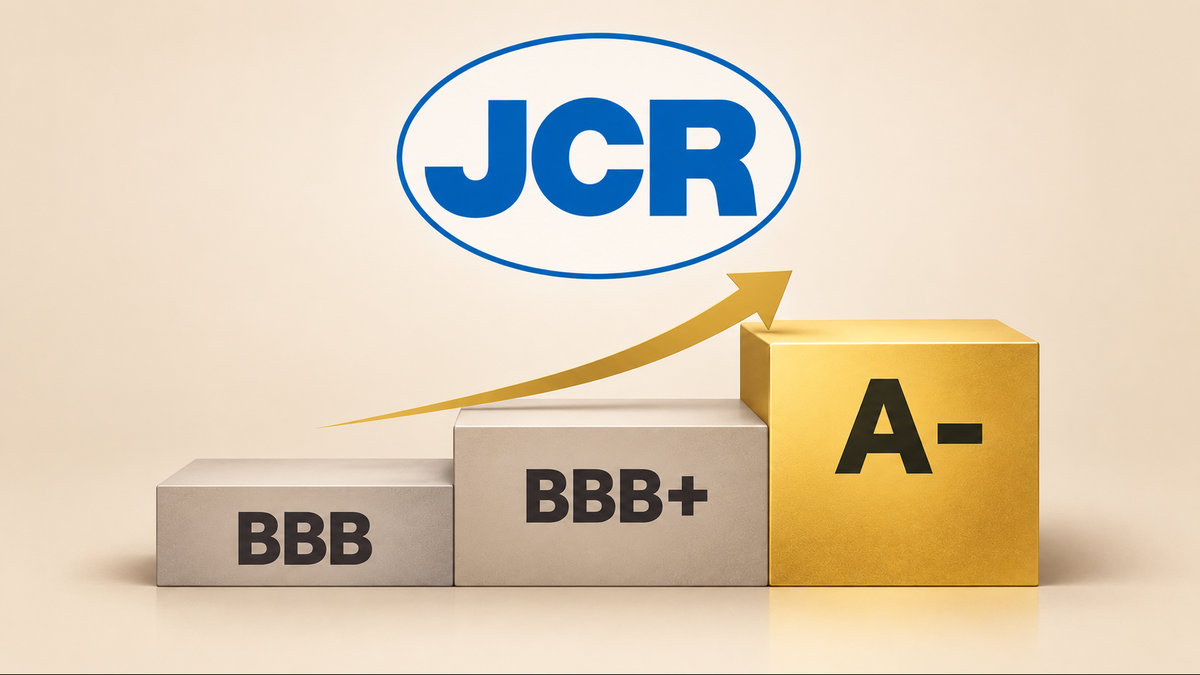
JCRA stated that India’s rating upgrade was based on the country’s relatively high growth, the government’s growth-oriented policies, and the improved strength of India’s financial system. AI-generated image for representation
The story so far: The Japan Credit Rating Agency (JCRA) earlier this month upgraded India’s sovereign credit rating to ‘A-’ from the previous ‘BBB+’. This is the first time in more than 35 years that India has received an ‘A’ rating. This development has direct implications for the cost of India’s future borrowing, and thereby how taxpayer money is utilised.
What are sovereign credit ratings?
A credit rating is not a rating of a country, per se. They are a rating of a country’s ability and willingness to repay its debt. In other words, they capture the risk of lending and the likelihood of repayment. It is somewhat like the credit score that individuals receive at the hands of credit bureaus such as Cibil.
ALSO READ | What are India’s problems with most credit ratings agencies?
The ratings are assigned to particular kinds of debt. For example, JCRA upgraded its rating of India on the basis of its Foreign Currency Long-term debt and Local Currency Long-term debt.
India is rated by seven international sovereign credit rating agencies: Standard and Poor’s (S&P), Moody’s Investors Service, Morningstar DBRS, Fitch Ratings, JCRA, Rating and Investment Information (R&I) and CareEdge Ratings. The three most commonly accepted global ratings agencies are S&P, Fitch, and Moody’s.
Ratings are assigned on an alphabetical scale, with Fitch and S&P assigning AAA to their highest rating and Moody’s assigning Aaa to it. The next lower scales are AA+, AA, AA-, A+, A, and A-, before moving on to the ‘B’ ratings in the same format. The lowest rating is D, implying the entity is in default. Moody’s ratings follow the same pattern, though its letters differ.
Why are sovereign credit ratings important?
Just like your Cibil score affects the likelihood of you receiving a loan from a bank and also the interest rate charged, a sovereign credit rating is important because they determine the interest rate at which the country can receive a loan.
The higher the credit rating, the smaller the risk of default, and so the lower the interest rate charged on the loan. If future loans come cheaper for India, it will have to devote a smaller chunk of its revenues to servicing that debt and the interest, and so will be able to devote that money to more productive purposes. This is why rating movements are important for sovereigns.
Why did JCRA upgrade India?
JCRA stated that India’s rating upgrade was based on the country’s relatively high growth, the government’s growth-oriented policies, and the improved strength of India’s financial system.
The ratings agency noted that the Indian economy maintained a growth rate of around 7%, which it said has been supported by private consumption and public investment.
Is this India’s lone upgrade?
To the contrary, India has actually received a series of upgrades over the last year and a half. For example, Morningstar DBRS upgraded India’s sovereign rating to ‘BBB’ from ‘BBB (low)’ in May 2025.
S&P Global Ratings upgraded India’s long-term sovereign credit rating to ‘BBB’ from ‘BBB-’ in August 2025, the first upgrade for India from the agency in 18 years.
R&I, the other Japanese credit rating agency, in September 2025 upgraded India’s long-term sovereign credit rating to ‘BBB+’ from ‘BBB’.
That said, over the last three decades or so, India has typically been rated a grade or two above ‘junk’ status, which is when institutions tend to stop lending to a country for fear of default. For context, the last time India was in the ‘A’ grade was in January 1988. Apart from the Indian CareEdge Ratings, only the two Japanese agencies — JCRA and R&I — rate India at this level or near it.
Published – September 08, 2026 03:52 pm IST


