



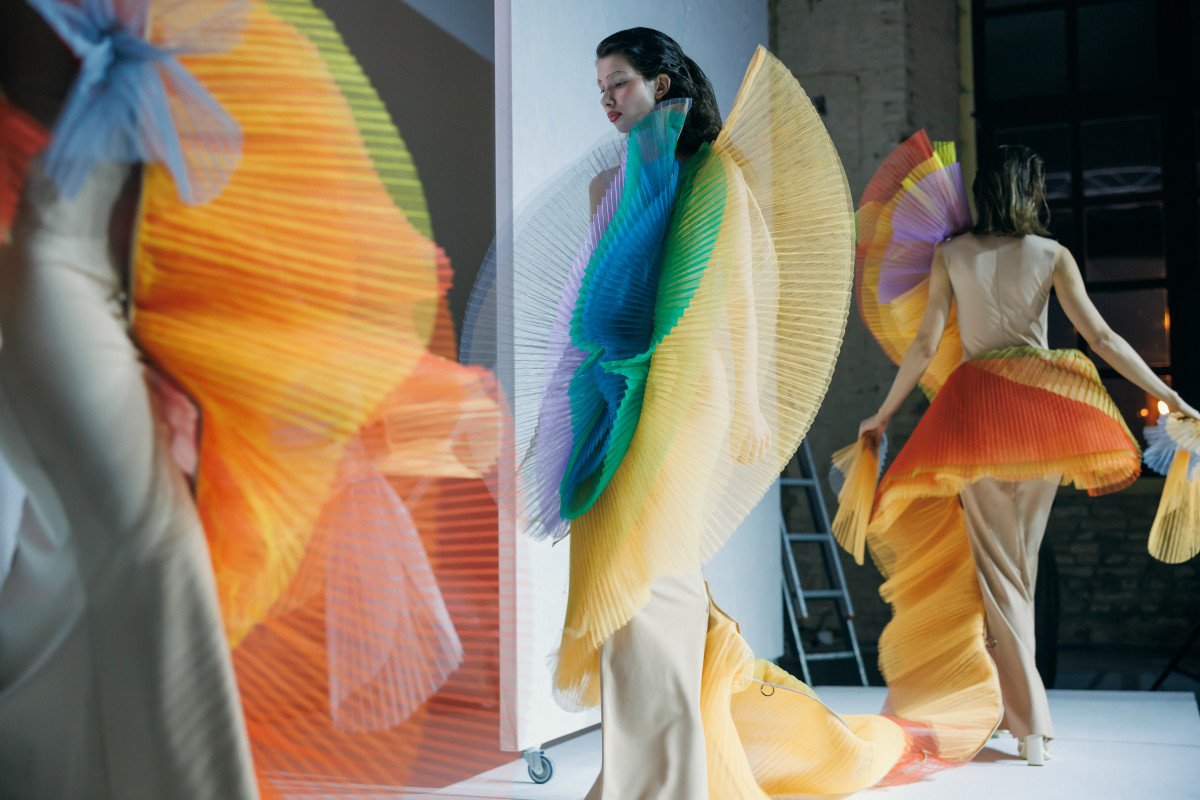
It’s been nearly 1,500 days since Russia invaded Ukraine and the scene in Kyiv is something out of a dystopian novel. Sirens echo in the streets, alerting those nearby of missile attacks, while a thick layer of smog settles over the city. But despite all the physical, emotional and infrastructural challenges of wartime, one thing remains certain: The local fashion community is determined to find the light amidst the darkness.
In response to ongoing air strikes, the dates of Ukraine Fashion Week’s 58th season were pushed out a month. But for founder and CEO Iryna Danylevska, that was just a mere blip in the overall legacy of the event and the more-than-40 brands it platforms. Beyond runway shows, the schedule also includes the (fourth annual) trade show, educational programs and a charitable initiative as part of the Faces of Heroes project, which helps raise funds to support reconstructive surgeries for veterans.
“[Fall 2026] won’t be remembered for its rescheduled dates and challenging conditions in which collections were created,” Danylevska explains. “It will be remembered for an uncompromising belief in what we stand for.”
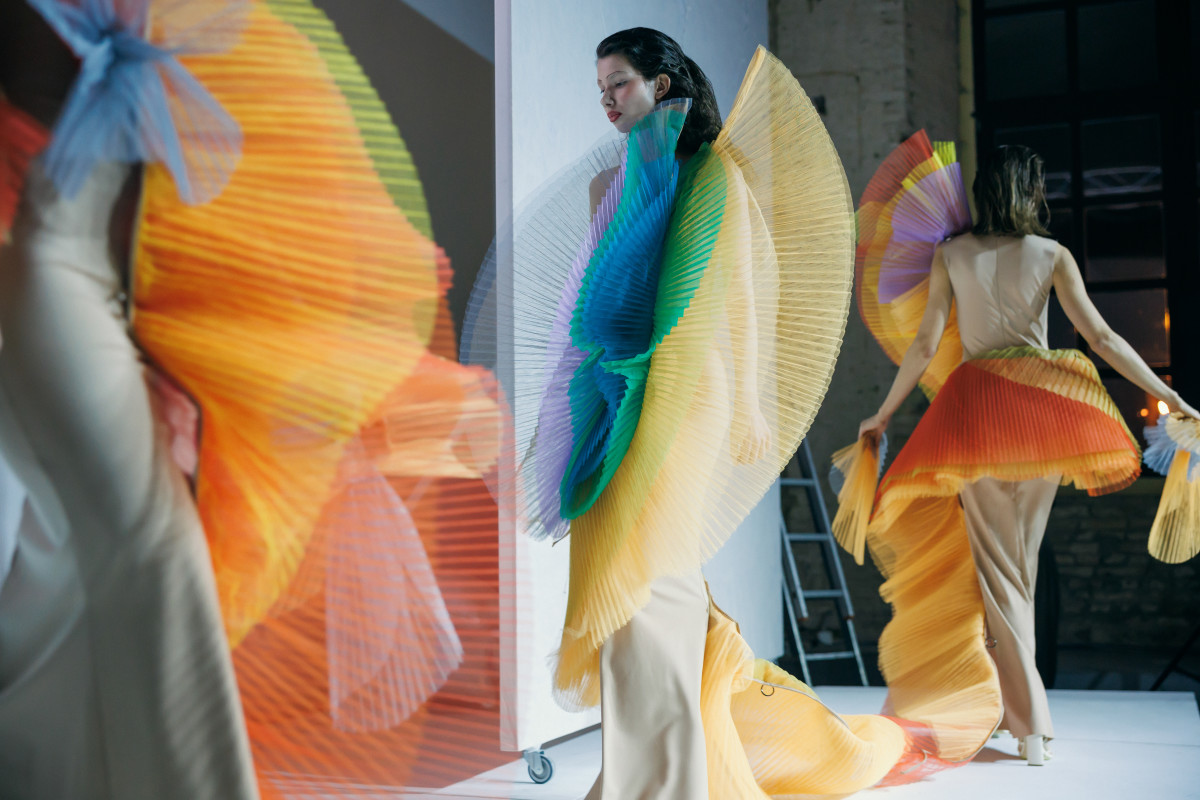

Photo: Serhiy Khandus
According to designers like Nadya Dyzak, Kyiv is living in two realities at the same time. “On one hand, it is a city that continues to live, work, create and bring people together around culture,” Dyzak explains. “On the other hand, it is a city that exists with daily air raid sirens, the threat of attacks and a constant sense of fragility.” Unfortunately, this has become somewhat of a new norm for many, including Dyzak, whose production facility, which was once a bank, sits fairly close to the frontline in Dnipro. When the sirens start going off, she and her team retreat to an armored room that used to be a vault, where they wait until the alarms stop and they can continue working on the new collection.
“Sometimes I think the universe must have known something when, years ago, we moved into this building,” she says. This display of optimism is one of the main commonalities among creatives in Ukraine, and it can often be found woven into their designs.
Litkovska’s new lineup, so aptly dubbed “A collection about the light that refuses to die,” is a prime example. Drawing from designer Lillia Litkovska‘s surroundings at home, it explores this idea of persisting under pressure while reimagining culturally significant items like the Ukrainian “Besahy” — a double-sided bag that was historically used for long-haul journeys and trips to the market — for the modern-day traveler.
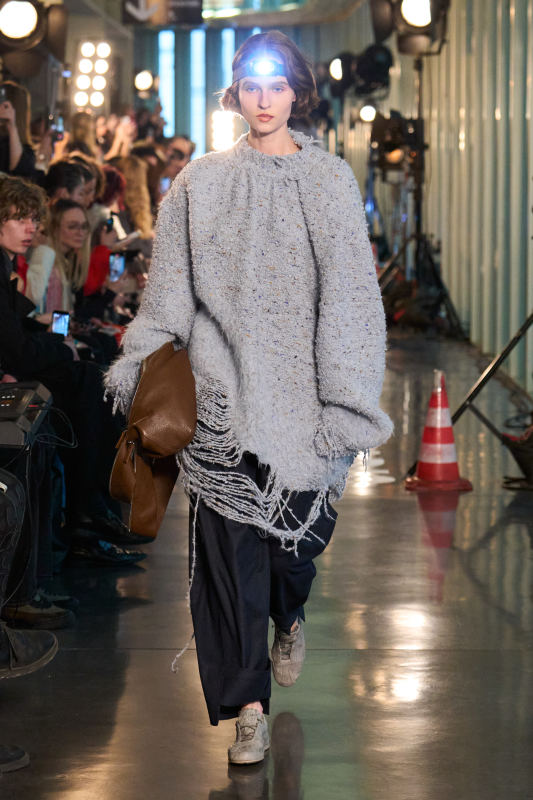

Photo: Courtesy of Litovska
“There are nights with no electricity, no heating, no water,” Litkovsa shares about the extreme conditions in her atelier. “People move through the city wearing small lights on their heads. From a distance, the streets look like a sky fallen onto the earth — scattered with tiny moving stars, fireflies.” Her vision took the form of functional shapes paired with practical lug-sole boots and head lamps that mirrored those of fellow neighbors. The brand even tapped local avant-garde perfumer Evgeniy Lazarchuk to create a scent inspired by Kyiv.
The sense of community and shared experience of Ukraine Fashion Week are some of the reasons why Darja Donezz, whose brand is best known for its modern, artistic shapes, says not participating would feel “almost impossible.” Showing in Kyiv is also a non-negotiable for the co-founders of Kris Maran — Anna, Kristina and Maria Stelmakh.
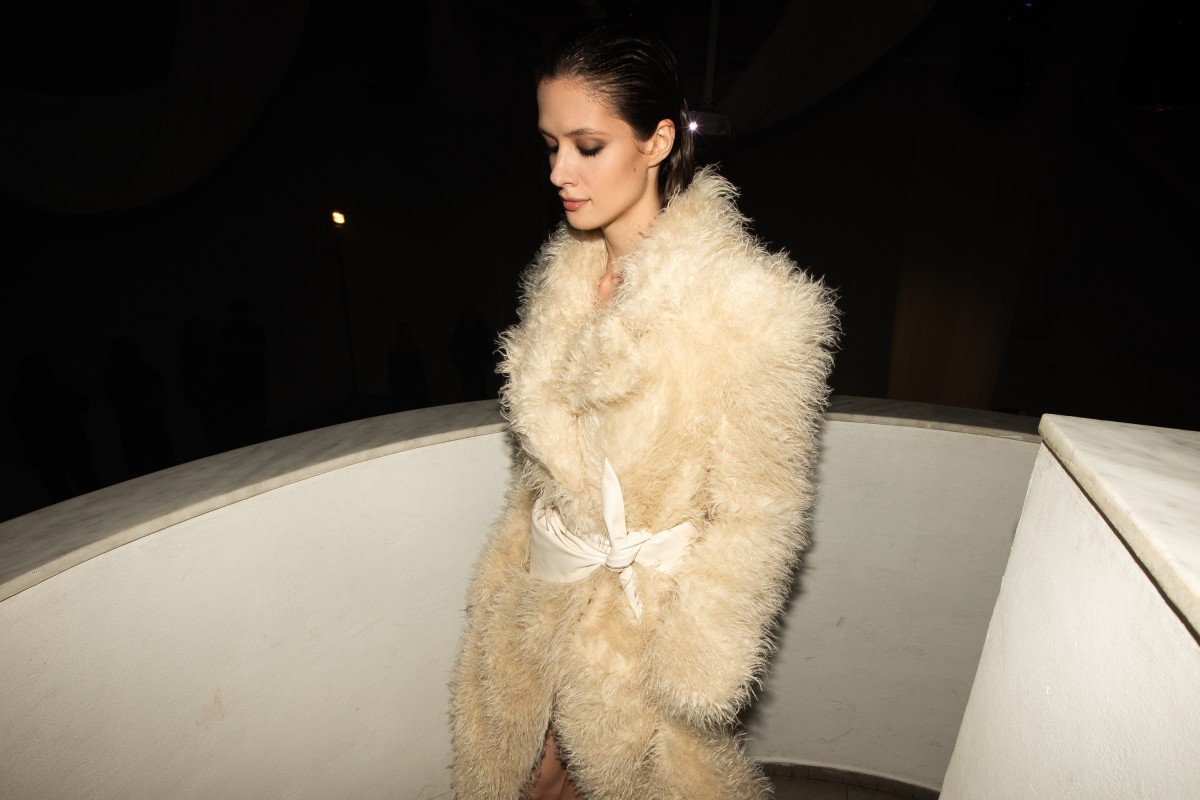
Photo: Courtesy of Kris Maran
“Life continues, but with a heightened awareness of fragility, and that inevitably shapes the emotional background against which we create,” says Kristina Stelmakh. “Presenting during Ukrainian Fashion Week was important for us precisely because of that reality. The brand was founded here, and every piece is produced locally in our [Ukrainian] atelier. One tailor leads each garment from beginning to end, which gives us not only a high level of quality and artistic integrity, but also a very direct, human connection to the work. Remaining here and continuing to create here is part of our language.”
But for some designers, presenting locally wasn’t necessarily an option: Litkovska staged its first runway show in Paris for logistical reasons, while Bevza skipped fashion month entirely, choosing to show its latest collection digitally — in part because Founder and Creative Director Svitlana Bevza is currently expecting her third child.
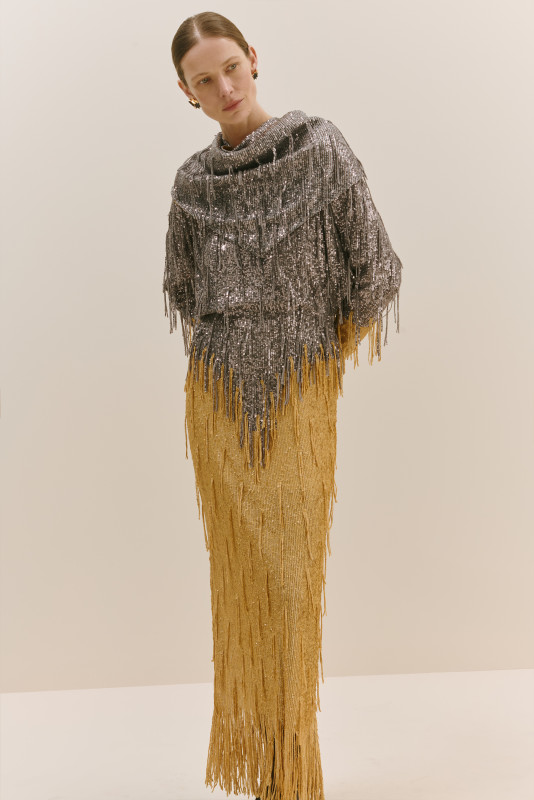

Photo: Courtesy of Bevza
Bevza experienced supply chain challenges as well; the diversification of its accessories collection led them to producing abroad, even though most of their collections are manufactured in Ukraine.
Physical limitations aside, designers experience more invisible challenges, too, including constant psychological and emotional exhaustion. “We live in a state of ongoing alertness, where you must remain focused, creative and responsible while regularly going to shelters during air raids,” says Dyzak. “Planning long-term becomes extremely difficult when so much can change overnight, yet we still need to produce collections at a high level, work with international partners, meet deadlines and support our teams.”
This is particularly difficult for jewelry brand Grains de Verre, as a lot of its pieces require highly specific materials and handmade techniques. “Maintaining that level of craftsmanship can be particularly challenging when access to materials and logistics becomes unstable,” says founder, Rita Molchanova. But what the rest of the world also doesn’t see is how much inner strength it takes to persevere, especially as an independent designer.
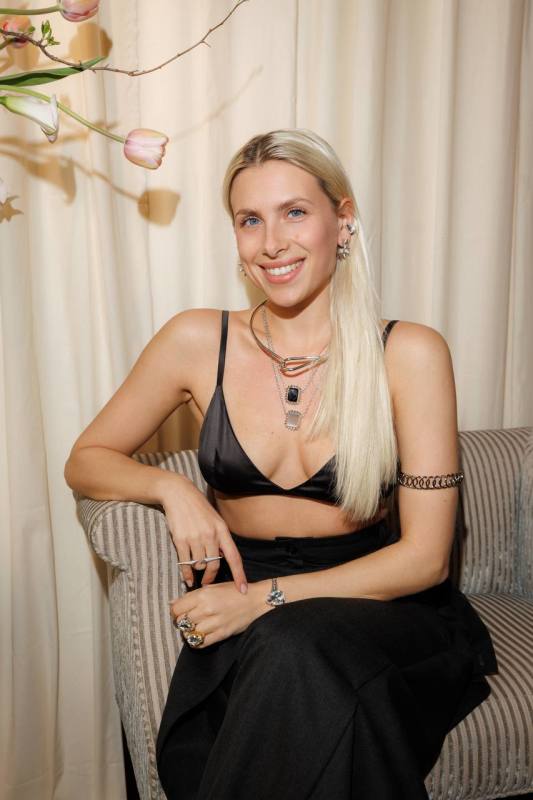
Photo: Courtesy of Grains de Verre
Operating a fashion brand is hard enough as it is. Studies show that more than 80% of new labels fail within the first two-to-five years, while roughly 3% are able to survive long-term. The challenges of international conflict, supply chain disruptions, power outages and below-freezing temperatures only makes things that much harder.
In such trying times, it truly is a wonder how Ukrainian designers are able to not only keep working, but also stay inspired. Their advice for the broader fashion community?
Stelmakh suggests “limiting the scale, not the intent” and making the most of the materials within arm’s reach. Dyzak recommends not forcing it: “Sometimes it’s important to allow yourself to pause, to experience silence, exhaustion or even uncertainty; authentic ideas always return when you stay honest with yourself,” she says.
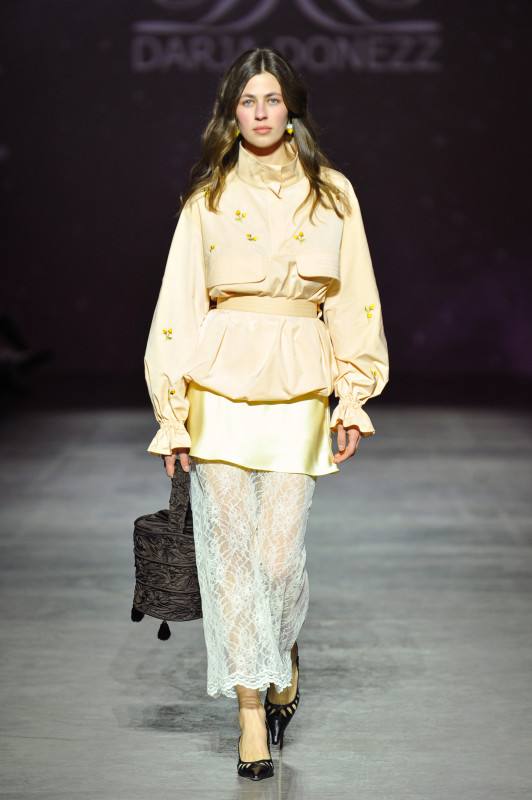

Photo: Volodymyr Bosak/Courtesy of Darja Donezz
“Every creative person goes through moments when inspiration feels distant,” Bevza adds. “What helps me is remembering why I started designing in the first place. Sometimes the most powerful ideas come from difficult moments. Instead of trying to escape reality, I think it can be more honest to respond to it through your work.”
By the end of the week, it was evident that, despite the hardships, the Ukrainian fashion community has chosen to live in the moment while pressing on, even if that means not knowing what challenges the next day will bring. And such perseverance fuels their creativity, inevitably shining through in each collection.
“Sometimes you have to consciously push yourself to keep thinking about beauty,” Donezz concludes. “But when something beautiful is created, it gives back strength, hope and a sense of meaning. In a way, creating beauty becomes a quiet form of resistance.”


