



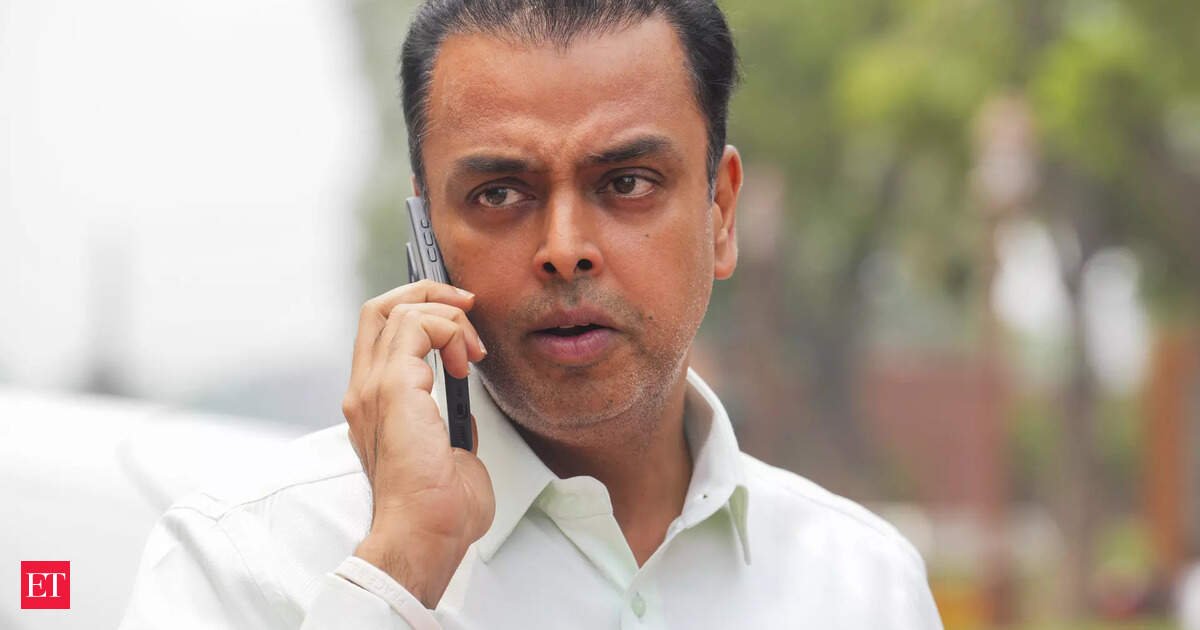
The suggestion by Deora, a former Union minister, came a day after the prime minister made the appeal in Hyderabad on Sunday.
Also Read: BJP, Shiv Sena seek probe into AIMIM link in TCS ‘love jihad’ case
Deora, a Rajya Sabha MP from Shiv Sena, has suggested that most parliamentary committee and PSU review meetings be conducted virtually when Parliament is not in session, arguing that the move could significantly reduce government expenditure as well as carbon emissions.
In a post on X, Deora said, “As PM @narendramodi ji calls for fuel austerity in light of the West Asia crisis, one reform worth considering is moving most Parliamentary Committee & PSU meetings online when Parliament is not in session.”
“This alone could save the Government of India at least ₹100 crore annually, while allowing committees to function efficiently through secure virtual platforms. It would also reduce emissions,” he added.
India imports more than 85% of its crude oil requirement, making global disruptions a direct concern for domestic fuel prices and the government’s import bill.Parliamentary committees form a crucial part of the legislative oversight mechanism. There are 24 departmentally related standing committees (DRSC), each comprising 31 MPs – 21 from the Lok Sabha and 10 from the Rajya Sabha – with a tenure of one year. These panels examine the functioning of ministries, scrutinise budgetary allocations, review legislation and submit reports to Parliament.
Apart from the DRSCs, Parliament also constitutes select committees, joint committees and other panels to examine specific bills and policy matters. Committee meetings are frequently held outside Parliament sessions and often involve air travel, accommodation and logistical arrangements for MPs and officials.
Talking to ET, Deora said the estimate of ₹100 crore in annual savings is based on expenses incurred on around 800 MPs attending committee meetings in Delhi, parliamentary tours, secretariat arrangements for physical meetings, and PSU-related travel across sectors.
Also Read: INDIA alliance intact despite Congress support to TVK govt: Sanjay Raut
Parliamentary panels also undertake study visits across states to examine projects and schemes on the ground. Expenditure for such visits is borne either by the Lok Sabha or Rajya Sabha secretariats, or by the concerned PSU or government agency hosting the committee. MPs are entitled to air travel for attending committee meetings and related engagements.
Virtual meetings became common during the Covid-19 pandemic, when several parliamentary panels interacted with officials and experts through digital platforms. However, most committees gradually reverted to physical meetings after normal functioning resumed.
Deora’s proposal is likely to revive the debate on whether technology-driven parliamentary functioning can reduce public expenditure without affecting legislative scrutiny and accountability.


