In the contemporary digital era, social media has emerged as a powerful and influential force, shaping the way individuals communicate, interact, and perceive the world around them. It has become an integral part of daily life, particularly for the youth, who are among the most active users of digital platforms. Applications such as Facebook , Instagram and X significantly transformed traditional modes of communication into fast, interactive, and global exchanges. While these platforms offer a wide range of opportunities for learning and engagement, they also present certain challenges, creating a delicate balance between reality and illusion.
On the positive side, social media serves as a valuable tool for education, awareness, and personal development. It provides instant access to a vast pool of information, enabling young individuals to stay informed about current events, technological advancements, and global trends.
Educational institutions, professionals, and experts actively share knowledge through these platforms, making learning more accessible beyond the boundaries of classrooms. Youth can explore online courses, tutorials, and informative content that enhance their academic and professional skills. In addition, social media encourages creativity and innovation by offering platforms where individuals can showcase their talents in writing, art, music, photography, and entrepreneurship. This exposure not only boosts confidence but also opens pathways for career opportunities.
Furthermore, social media plays a significant role in strengthening social connectivity and community engagement. It allows young people to maintain relationships with friends and family, regardless of geographical distances. It also promotes cultural exchange by connecting individuals from diverse backgrounds, fostering mutual understanding and respect.
Through online communities and discussion forums, youth can engage in meaningful conversations, share ideas, and collaborate on projects that contribute positively to society. Many public institutions and government bodies also use social media platforms to disseminate information, raise awareness about policies and programs, and encourage public participation, thereby enhancing communication between authorities and citizens.
Despite these advantages, it is equally important to acknowledge certain concerns associated with the use of social media. One of the most prominent issues is the portrayal of idealised and often unrealistic lifestyles. Content shared on social media platforms tends to highlight only the most attractive and successful aspects of life, which may not accurately represent reality.
This selective presentation can create a sense of comparison among young users, leading to unrealistic expectations and, at times, affecting their self-esteem and overall well-being. The distinction between real life and curated online content can become blurred, making it essential for users to develop a critical understanding of what they consume.
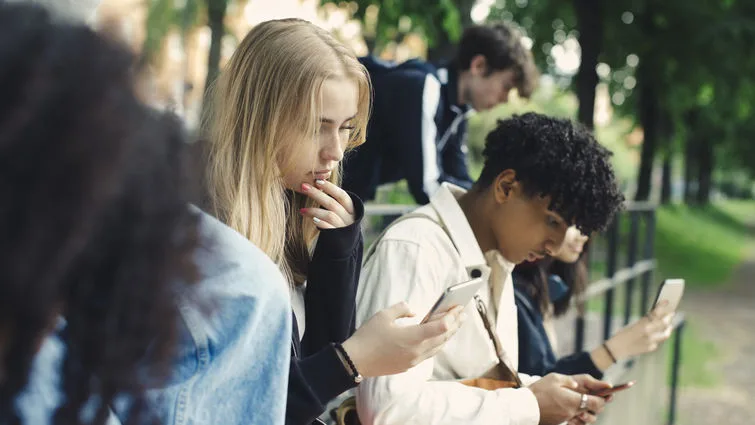
Another important concern is the excessive use of social media, which may affect time management and productivity. Spending prolonged hours scrolling through content can reduce focus on academic responsibilities, professional growth, and personal development. It may also limit physical activities and face-to-face interactions, which are essential for a balanced lifestyle.
Additionally, the rapid spread of information on social media raises concerns about the authenticity and reliability of content. Misinformation or unverified news can circulate quickly, influencing perceptions and opinions. This highlights the need for digital literacy, where users are encouraged to verify information from credible sources and think critically before accepting or sharing content.
Moreover, while social media provides a platform for expression, it also requires responsible usage. Youth must be aware of ethical considerations, online behaviour, and the long-term impact of their digital footprint. Respectful communication, awareness of privacy, and adherence to community guidelines are essential for maintaining a healthy online environment. Institutions and educators also play a crucial role in guiding young individuals toward constructive and mindful use of technology.
It is therefore important to approach social media with a balanced and informed perspective. Rather than categorising it as entirely beneficial or harmful, it should be understood as a tool whose impact largely depends on how it is used. When utilised effectively, social media can be a source of knowledge, creativity, and connection. However, when used excessively or without awareness, it may lead to certain challenges that affect personal and social well-being.
In conclusion, social media represents both reality and illusion in varying degrees. It offers immense opportunities for growth, learning, and engagement, while simultaneously requiring careful and responsible use.
By adopting a balanced approach, developing digital literacy, and maintaining awareness of its potential impacts, young individuals can harness the positive aspects of social media while staying grounded in reality. Such an approach will enable them to benefit from technological advancements while preserving their overall well-being and contributing positively to society.
(The Author is a library Futurist from Kulgam. Email:- [email protected])