







When they deserted the ship, the MPs firmly believed that the grass was greener (visualise saffron) on the other side. But the monsoon rains, or perhaps the deficit, have forced them to look for cover. The rebels are left with no option now but to engage in monsoon chintan-manan. It’s another matter that some people ‘take decisions in haste’, without any manan, and then make a U-turn and apologise after all-round backlash.
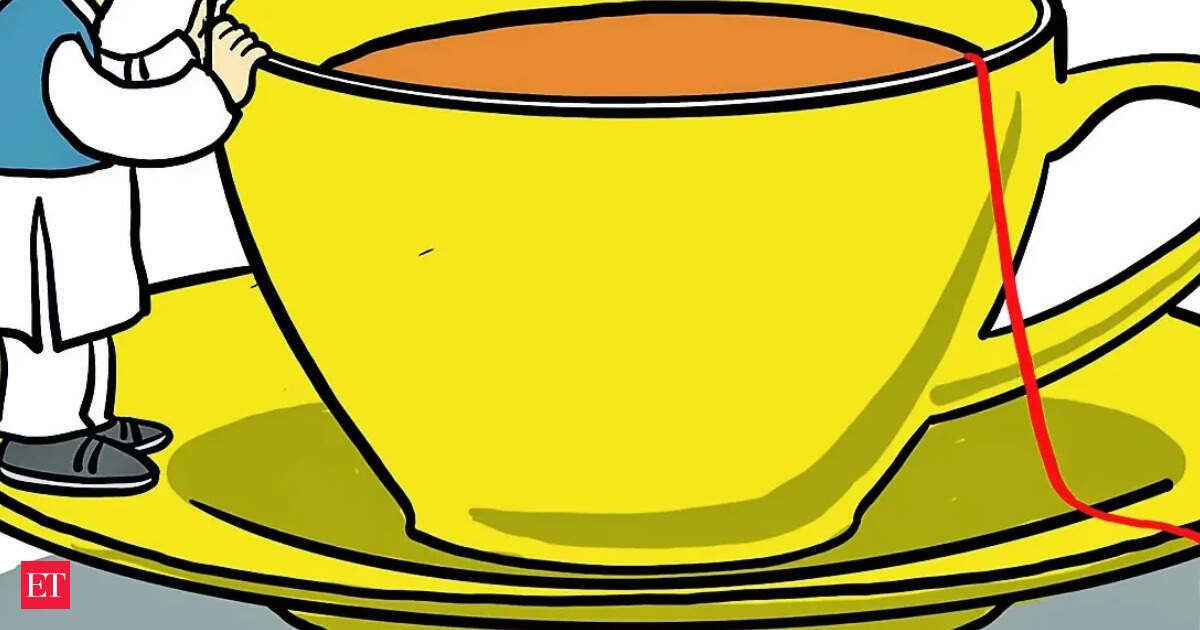
For those lacking in manan or deep thinking, the best alternative is to grasp the significance of ‘chai pe charcha’ or tea party. Ideas flow freely during ‘chai pe charcha’. Every participant feels they have an equal right to express their views. At that moment, it’s the ‘chai’ that wields authority. Every sip is thought-provoking.
Also read | When the cloud gets thirsty: Should India make artificial intelligence pay back its water debt?
Since ‘chai pe charcha’ happens in a group setting, extreme ideas are generally kept in check. Such charchas or conversations might not yield concrete results, but they always end with the hope that the upcoming meeting would be more productive. For lone-wolf thinkers, such checks and balances aren’t available. Hence, before arriving at a final decision, it is essential to either discuss the matter over tea or reflect deeply on it.


