


Bhubaneswar: Restaurants and roadside eateries across the twin cities of Bhubaneswar, Cuttack and other parts of Odisha continue to face a shortage of commercial LPG cylinders, with industry bodies blaming the ongoing geopolitical tensions in West Asia for the supply disruption and steep price hike.Catering associations said the price of commercial cylinders has nearly doubled in recent weeks, from around Rs 1,700 to Rs 1,900 earlier to nearly Rs 3,200 now, severely impacting the day-to-day operations, especially for small eateries and food stalls that depend heavily on LPG.“The situation is unprecedented. Even after paying higher prices, many establishments are struggling to get supplies on time. We have no option but to reduce menu items and limit cooking hours. It all started in April and is continuing even now,” said Prasanna Dalai, a member of a city-based caterers’ association.Several popular eateries, especially hotels offering meals, in Bhubaneswar and Cuttack have started cutting down their menus while discontinuing items that require longer cooking time. Roadside vendors, who operate on lighter margins, say the crisis has pushed them to a dark.
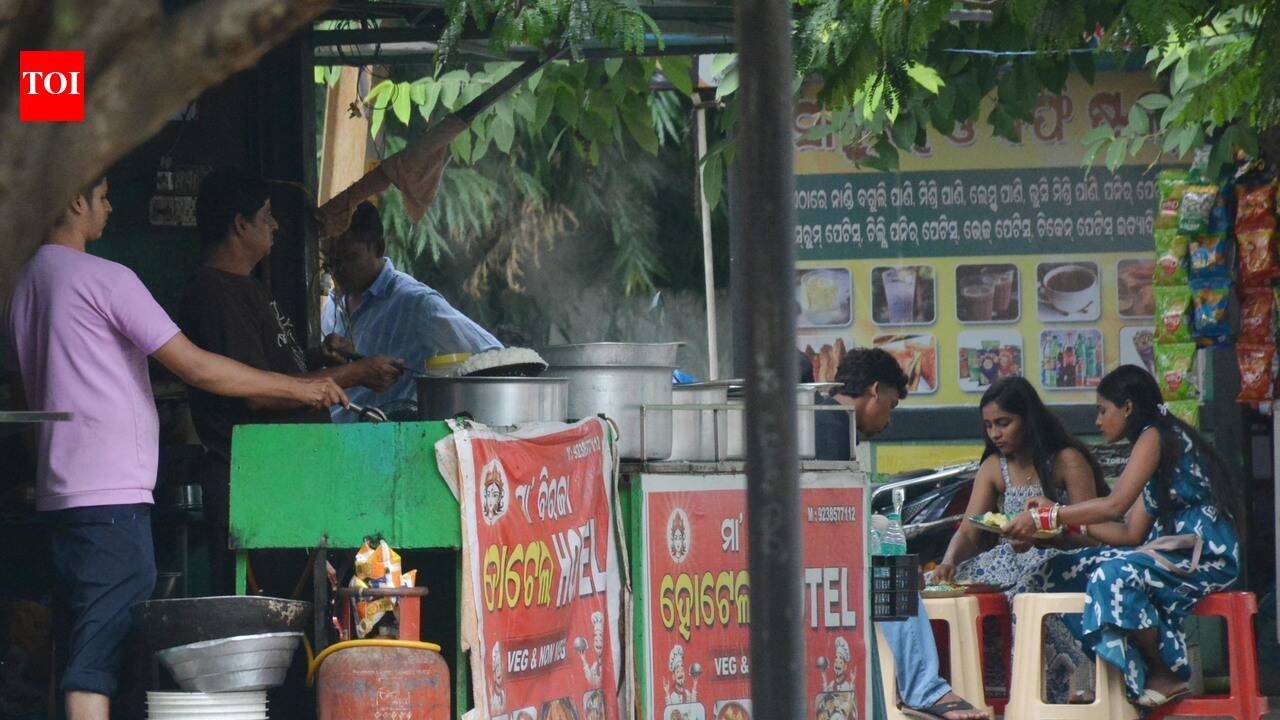
An eatery catering to customers on the roadside
“I used to prepare 10 to 12 dishes daily. Now I am making only five or six. If I buy a cylinder at Rs 3,000-plus, my entire profit gets wiped out. I cannot pass the full cost to customers. This is getting difficult day by day,” said Rakesh Sahoo, who runs a small roadside eatery in Rasulgarh.Restaurant owners echoed similar concerns. “We have scaled down banquet operations and catering services. Many small hotels have reduced staff working hours. The jump in LPG price has come suddenly, leaving the sector with no time to adjust,” said city-based hotelier Satyajit Mohanty.Industry representatives said the supply disruption has been worsened by prioritisation of domestic consumption. The govt has been intensifying efforts to shift households to piped natural gas (PNG) and urging consumers to surrender additional LPG connections, which has further strained availability for commercial users.A senior official from a gas distribution agency, however, said domestic consumers remain the priority amid the fragile global situation. “We are ensuring uninterrupted supply to households. The commercial segment is facing pressure due to global supply chain disruptions triggered by the West Asia crisis,” the official said.Experts pointed out that prolonged disruption could have a cascading effect on the local economy, especially in the hospitality sector. “If the situation persists, it will lead to price escalation of food items and potential job losses in small eateries,” said Nityananda Jena, former professor of economics at a private degree college here.
