



Table: Post-harvest losses in J&K vs national range
|
Commodity |
J&K loss (%) |
National range for category (%) |
|
Apple |
9.51 |
Fruits: 6.02-15.05 |
|
Egg |
6.08 |
Egg (all-India): 6.03 |
|
Maize |
3.92 |
Cereals: 3.89-5.92 |
Source: NABCONS Study, 2022, as tabled by the Ministry of Food Processing Industries in reply to Lok Sabha
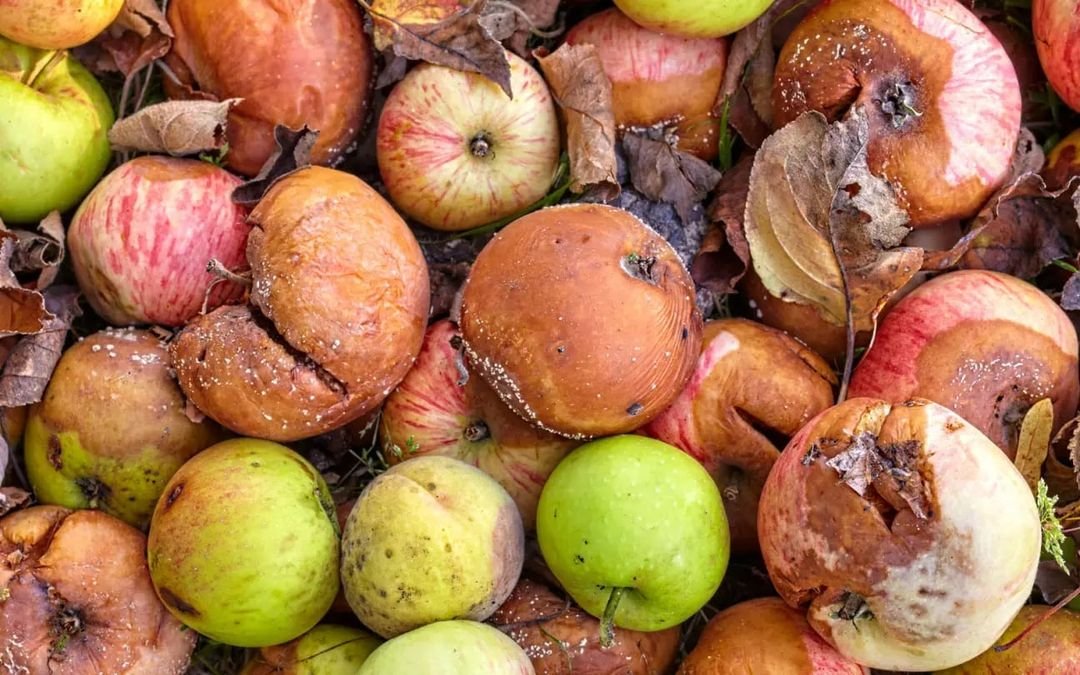
Srinagar, Aug 07: Jammu and Kashmir loses an estimated 9.51 per cent of its apple production to post-harvest losses, according to a government-commissioned study tabled in the Lok Sabha by the Union Ministry of Food Processing Industries. The ministry said the Centre is implementing several schemes to improve cold-chain infrastructure, storage and processing facilities to reduce post-harvest losses.
The data was given in response to an unstarred question by MP Jai Prakash on the assessment of post-harvest losses of cereals, pulses, fruits and vegetables. Union Minister Chirag Paswan gave the reply, citing the most recent of two studies commissioned by the ministry, conducted by NABARD Consultancy Services (NABCONS) in 2022, with reference years 2020-22. An earlier study by ICAR-CIPHET had been conducted in 2015 with reference years 2012-14.
J&K’s apple loss figure of 9.51 per cent sits close to Himachal Pradesh’s 9.2 per cent, the only other major apple-growing state listed in the study, suggesting similar post-harvest handling challenges across Himalayan fruit-growing belts. Nationally, post-harvest losses for fruits ranged widely from 6.02 to 15.05 per cent depending on the commodity, with items like guava recording losses as high as 17.08 per cent in some agro-climatic zones and tomato exceeding 12 per cent in others, pointing to particularly acute post-harvest losses in perishable, high-moisture produce.
J&K’s egg loss of 6.08 per cent was marginally higher than the all-India egg loss figure of 6.03 per cent cited in the study, while its maize loss of 3.92 per cent fell at the lower end of the national cereals range of 3.89 to 5.92 per cent, suggesting comparatively better post-harvest handling for that crop.
The reply noted that the NABCONS study, while providing commodity-wise and state-wise post-harvest loss estimates based on field surveys in major producing states, did not include an assessment of the impact of these losses on farmers’ incomes.
What Centre says it’s doing
On strengthening storage and cold-chain infrastructure, the ministry pointed to three ongoing schemes. The Pradhan Mantri Kisan Sampada Yojana (PMKSY), running since 2017-18, supports integrated cold-chain and value-addition infrastructure, creation and expansion of food processing and preservation capacities, and agro-processing clusters, though two of its components, Mega Food Parks and Backward and Forward Linkages, were discontinued from April 1, 2021.
The Pradhan Mantri Formalisation of Micro Food Processing Enterprises (PMFME) Scheme provides financial, technical and business support for setting up or upgrading micro food processing units, while the Production Linked Incentive Scheme for Food Processing Industries (PLISFPI), running from 2021-22 to 2026-27 with an outlay of Rs 10,900 crore, is aimed at building globally competitive Indian food manufacturing brands.


