



In 1965, sisters Roselyn “Babs” Atkins and Evelyn “Attie” Atkins turned a long-held dream into a remarkable experiment in island living when they bought Looe Island, off the coast of Cornwall, for £22,000. Also known as St George’s Island, the roughly 22-acre (roughly nine hectares) island became their home for almost four decades, and after they were gone, it was passed down to the care of Cornwall Wildlife Trust, ensuring that its woodland, maritime grassland, rocky shores and surrounding waters would be managed for wildlife rather than intensive development. Today, the island is a protected marine nature reserve with a notable conservation history. According to the Cornwall Wildlife Trust, the island provides a haven for both terrestrial and marine wildlife.Two sisters and an island dream The Guardian reported that Attie was in her mid-50s when the opportunity to buy the island arose, while Babs was finishing her career on the mainland. Although they purchased the property together in 1965, their full-time joint residency did not begin immediately. For the first 11 years of ownership, Babs maintained her mainland job, spending weekends and holidays on the island to build their estate, until her formal retirement in 1976 allowed her to move there permanently. After buying Looe Island, Attie became a daffodil farmer, and Babs joined her later on the island after her retirement. Evelyn documented the foundational decades of their unique living in her books, We Bought an Island (1976) and Tales From Our Cornish Island (1986). Combined with local archival records, these memoirs provide a rare chronicle of the mid-to-late 20th-century history of the island, preserved during their lifetime before Babs oversaw the final chapter of their joint estate.Notably, the island had a much older history, as noted by the Cornwall Heritage Trust; Looe Island was associated with an early Christian settlement and a medieval chapel dedicated to St. Michael, while archaeological evidence points to centuries of human activities around the island. Later, the island reportedly became associated with smuggling before passing through several periods of private ownership. The area’s unusual combination of isolation, woodland, grassland, shoreline and historic sites made it more than just a piece of real estate, and after the Atkins sisters arrived, they took responsibility for the landscape whose ecological and cultural significance stretched across many centuries.Transforming the island from private home to wildlife sanctuaryAfter Attie’s death in 1997, Babs continued living on the island until her death in 2004. As per the organisation, recognising that they could not protect the island forever in person, Babs had previously formalised a will that bequeathed Looe Island to the Cornwall Wildlife Trust, transforming their private sanctuary into a permanent public legacy. The trust has managed the island since 2004, maintaining it as a marine nature reserve and limiting visitor access to organised trips. This decision has protected the island in perpetuity rather than leaving its future dependent on another private owner. Therefore, the sisters’ nearly 40-year association with Looe Island ended with a deliberate decision to place the landscape under protection.
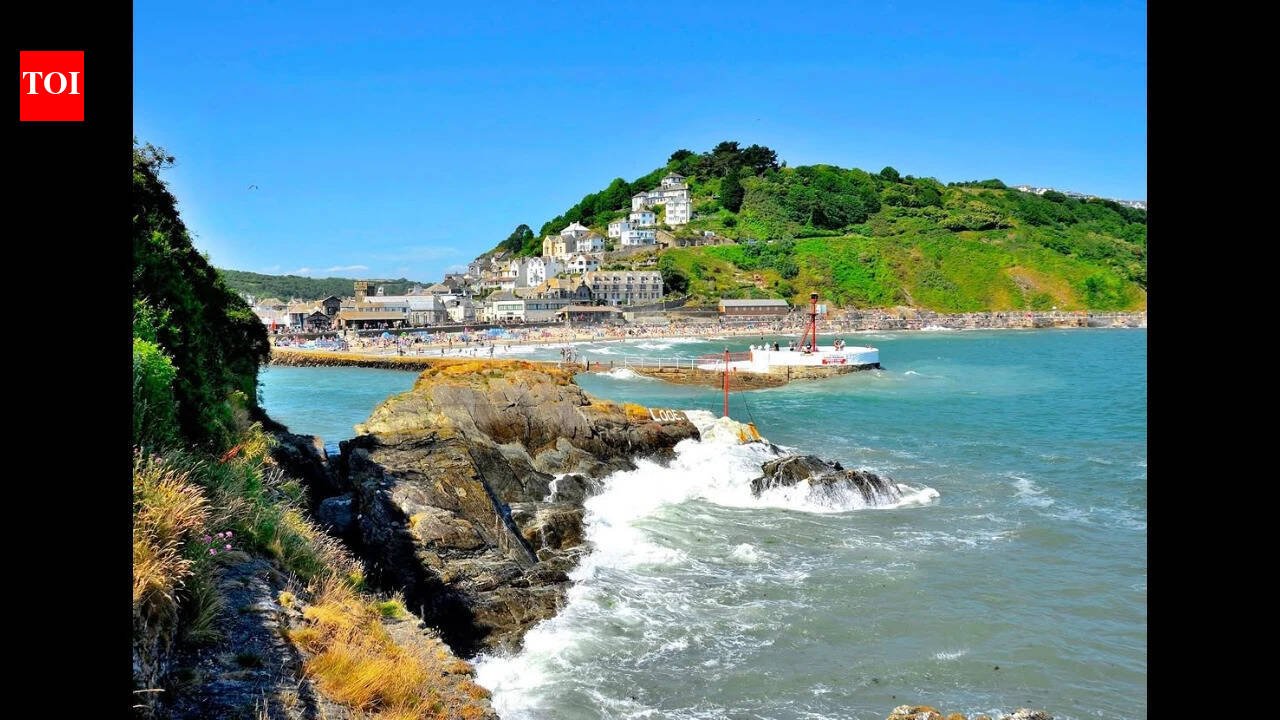
View of the Looe Island. Image credits: Wikimedia Credits
Despite its small size, the reserve included diverse pockets of woodland, maritime grassland, sand shingle, and rocky reef, while the surrounding water supported a dense variety of marine life. Additionally, the island hosted Cornwall’s largest breeding colony of great black-backed gulls, alongside nesting cormorants, shags, and oystercatchers. Grey seals also use the surrounding waters and a long-running monitoring programme has helped researchers and conservationists understand the local population better. The Trust has reported that almost 700 great black-backed gulls have been ringed since the 2010 ringing project, with sightings of young birds recorded as far away as north-west Spain.Furthermore, the island is also a part of a long-term effort to understand how protected coastal ecosystems change over time. According to the Wildlife Trust’s 2024 report, the organisation has conducted intertidal monitoring surveys around Looe Island Marine Nature Reserve for two decades, recording changes in species distribution and the spread of invasive species in the context of climate change. The monitoring provides a scientific baseline for conservation decisions instead of solely relying on occasional observations.


