



Noida: There’s been a lot of chatter about the return of Formula 1 to India of late.
Earlier this month, the sports ministry expressed interest in bringing back the Indian Grand Prix to the Buddh International Circuit. Last week, the Adani Group said they had started working on getting F1 back to India as the conglomerate is in the fray to buy the troubled Jaiprakash Associates Ltd (JAL) which built the motorsport facility in Greater Noida.
India hosted F1 from 2011 to 2013 before the race ran into administrative, financial, tax and legal hurdles following which Formula 1 decided to pull out despite a five-year contract with JAL.
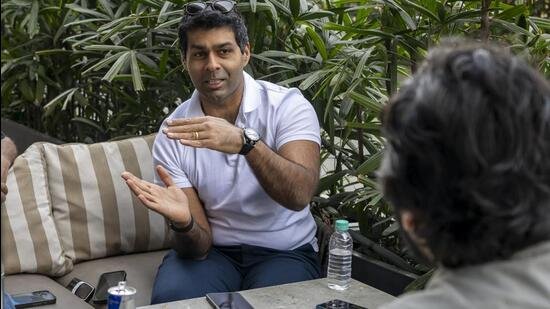
But Karun Chandhok, one of only two Indians along with Narain Karthikeyan to have raced in F1, believes that even if everything falls into place, the earliest India could host an F1 race might be around 2029-2030.
“How do you get a slot on the calendar, especially now? I don’t think you’d get a slot before 2029-2030. Cities are already committed until 2028. 2029-30 is probably the earliest is my gut feeling,” Chandhok told HT here on Wednesday.
“What we have to remember is there is a huge demand for F1 races at the moment. They have got to a point where they are so subscribed and have so many people knocking on the door, certain races have gone into a rotation like Barcelona and Spa.”
Hosting a Formula 1 race is an expensive endeavour. Apart from operational costs, the biggest slice of the pie goes to paying the annual hosting fees which cost at least $30 million. F1, which is controlled by Liberty Media, generally signs an agreement with a promoter who must make their financial model a profitable affair for the event to survive.
All three global motorsport championships — F1, Formula E and MotoGP — that came to India left way before their contracts expired because the promoters were unable to pay the hosting fee.
“It’s nice to hear about the interest in the return of F1 to India, but there’s still lots of things that you need to resolve. There is a cost to it first of all: there is an annual rights fee, there is an annual operational cost,” Karun said in a chat facilitated by Red Bull.
“Who is going to pay for that? Is it going to be a government venture? Is it going to be privately funded? That’s the first thing they need to get their hands around because even if it is privately funded, you still need government support in terms of customs clearances, visas and tax issues.”


