



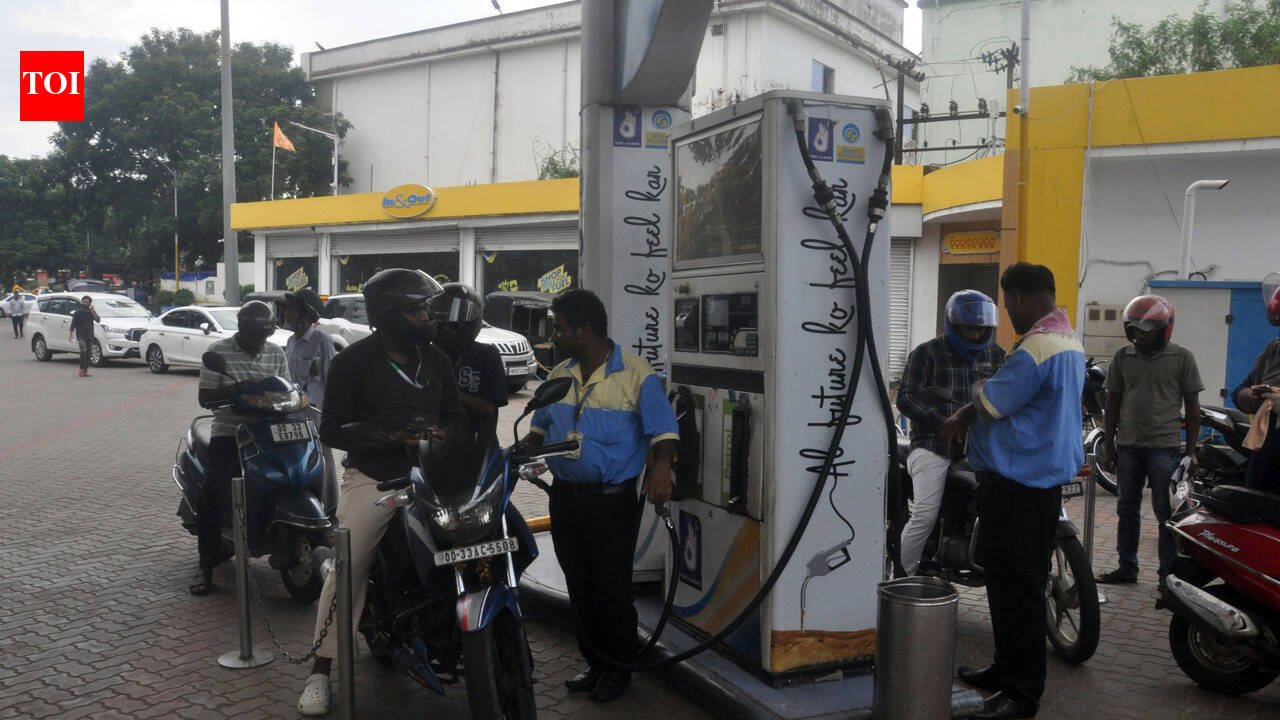
Bhubaneswar: As E20 petrol becomes the standard fuel option at an increasing number of fuel stations across Odisha, uncertainty over vehicle compatibility is emerging as a major concern among car and two-wheeler owners.While automobile manufacturers have gradually introduced E20-compatible models over the past few years, owners of older vehicles say they are worried about fuel efficiency, maintenance costs and the long-term impact on engine performance.At several fuel stations in Bhubaneswar and Cuttack, filling station staff members said that motorists frequently ask questions about whether their vehicles can safely run on the higher ethanol-blended fuel. “We are getting queries almost every day, especially from customers who own vehicles that are more than five or six years old. Many of them want to know whether E20 will reduce mileage or damage engine components. We advise them to check the manufacturer’s recommendations,” said Sanjay Dash, manager of a fuel station in Bhubaneswar.Sashank Mohanty, a dealer operating a fuel outlet on the city outskirts, reported similar concerns. “People are aware that E20 contains a higher percentage of ethanol, but many are not sure if their vehicles are compatible. There is a lot of confusion, particularly among the two-wheeler owners,” said Mohanty.Consumers say the lack of clear information has added to their anxiety. “I own a 2017 hatchback, and I am not sure whether it is designed for the E20 fuel. The company has not contacted customers directly. My concern is whether fuel efficiency will drop and whether I will end up spending more on maintenance,” said Pradeep Rout, a private employee from Bhubaneswar.Two-wheeler owners have expressed similar fears. “My motorcycle is nearly eight years old. Mechanics are giving different opinions about E20. Until there is clear guidance, many consumers will remain apprehensive,” said Ranjan Behera, a college lecturer.However, automotive experts say fears of immediate engine damage are often exaggerated, though compatibility issues cannot be ignored for older vehicles. “The E20 fuel contains up to 20% ethanol, which helps reduce dependence on fossil fuels and lowers emissions. Most vehicles manufactured in recent years are being designed or calibrated to handle E20. The larger concern is with older models that may have fuel system components not fully optimised for higher ethanol content,” said S K Mishra, an automobile engineering expert.According to experts, vehicle owners should verify compatibility through the vehicle manufacturer’s handbook or authorised service centres rather than relying on informal advice. “In some older vehicles, prolonged use of higher ethanol blends may affect rubber seals, fuel lines or certain engine components if they were not designed for such fuel. That does not mean every older vehicle will face problems immediately, but owners should follow manufacturer guidance and stay alert to any changes in performance,” said Mishra.Industry observers point out that vehicle manufacturers have been preparing for the transition by introducing E20-compatible vehicles in phases. They maintain that the shift is part of a broader national strategy to promote cleaner fuels and reduce crude oil imports. Meanwhile, many consumers in Odisha are calling for greater awareness campaigns.


