






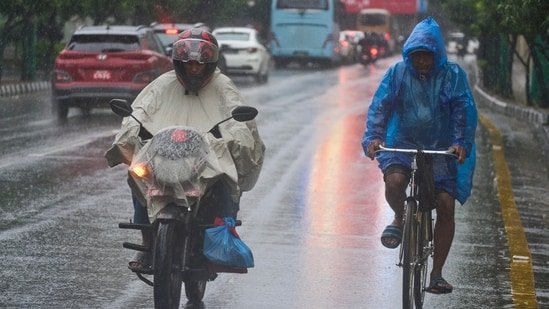
During monsoon, a number of health risks are on the rise because of the pouring rain. While dengue is a disease that often comes to mind, according to Dr Rashmi Ardey, it is far from the only one.
Also Read | Delhi gastroenterologist Dr Shubham Vatsya warns against antibiotic misuse in the country
She shared with HT Lifestyle the various health risks that one faces in the rainy season, and how to stay safe from them.
Health risks during monsoon
There are a number of factors during the monsoon season that contribute to the higher risk of diseases and infections, shared Dr Ardey. They include:
- Excessive rainfall
- Waterlogging
- Contaminated food and drinking water
- Increased mosquito breeding
The various types of health risks that one faces are listed as follows.
1. Water and food-borne illnesses
These include diarrhoea, typhoid, hepatitis A and E, and food poisoning during the rains. As per Dr Ardey, they are usually linked to contaminated water or food that has not been prepared or stored hygienically.
2. Disease from floodwater
Walking through floodwater contaminated with wastes such as animal urine can result in an infection called leptospirosis, especially in people with cuts or wounds on their feet. Early symptoms can resemble a common viral fever, so seeking timely medical advice is very important, noted Dr Ardey.
3. Mosquito-borne illnesses
Mosquito-borne illnesses such as dengue, malaria and chikungunya also become more common during this season, shared the doctor.
4. Immunity-related illnesses
In the monsoon season, skin infections, eye infections, and respiratory problems, including worsening asthma or allergies due to dampness and mould, may increase, shared Dr Ardey. “Children, older adults, pregnant women, and people living with diabetes, kidney disease or weakened immunity are particularly vulnerable and need to be especially careful,” she observed.
Monsoon health checklist
During the monsoon, there are often announcements cautioning people against stagnant water, which can become a breeding ground for disease-spreading mosquitoes. However, according to Dr Ardey, focusing on everyday habits related to safe water, food and hygiene is equally important in preventing many seasonal infections.
The areas in which she suggests patients focus are listed as follows.
Drinking water: Use clean, safe water for drinking, cooking, brushing teeth, washing fruits and vegetables, and preparing food or infant feeds. When water quality is uncertain, boiling it is a simple and effective precaution. Store water in clean, covered containers and avoid dipping hands or unclean utensils into it. Even small gaps in water hygiene can lead to stomach infections during the rains.
Food: Eat fresh, hot, home-cooked meals as far as possible. Avoid uncovered food, cut fruit left out for long periods, raw salads from unreliable sources, and leftovers that have not been stored properly.
A balanced diet that includes vegetables, fruits, pulses, eggs, dairy and other protein-rich foods helps support immunity and quick recovery from seasonal illnesses. Children with diarrhoea should continue to receive regular meals, plenty of fluids and oral rehydration solution (ORS), while infants should continue breastfeeding.
Washing hands: Handwashing remains one of the simplest and most effective ways to prevent infection. Wash hands with soap before eating or preparing food, after using the toilet, after cleaning a child, after handling waste, and after returning home, especially if you have been in flooded or muddy areas. Keep kitchen surfaces, lunchboxes and water bottles scrupulously clean.
“It is a good idea to keep ORS sachets readily available at home during the monsoon. Seek medical advice if there is persistent fever, repeated vomiting, diarrhoea with weakness, blood in the stools, poor fluid intake, lethargy or reduced urine output. Good monsoon health depends on following consistent daily precautions rather than seeking last-minute treatment after an illness has developed,” noted Dr Ardey.
Note to readers: This article is for informational purposes only and not a substitute for professional medical advice. Always seek the advice of your doctor with any questions about a medical condition.
Dr Rashmi Ardey is the Director Programme (Health) at Smile Foundation, and a physician with over three decades of experience. She has expertise in women’s health, reproductive, maternal, child and adolescent health care, and public health programs.


