



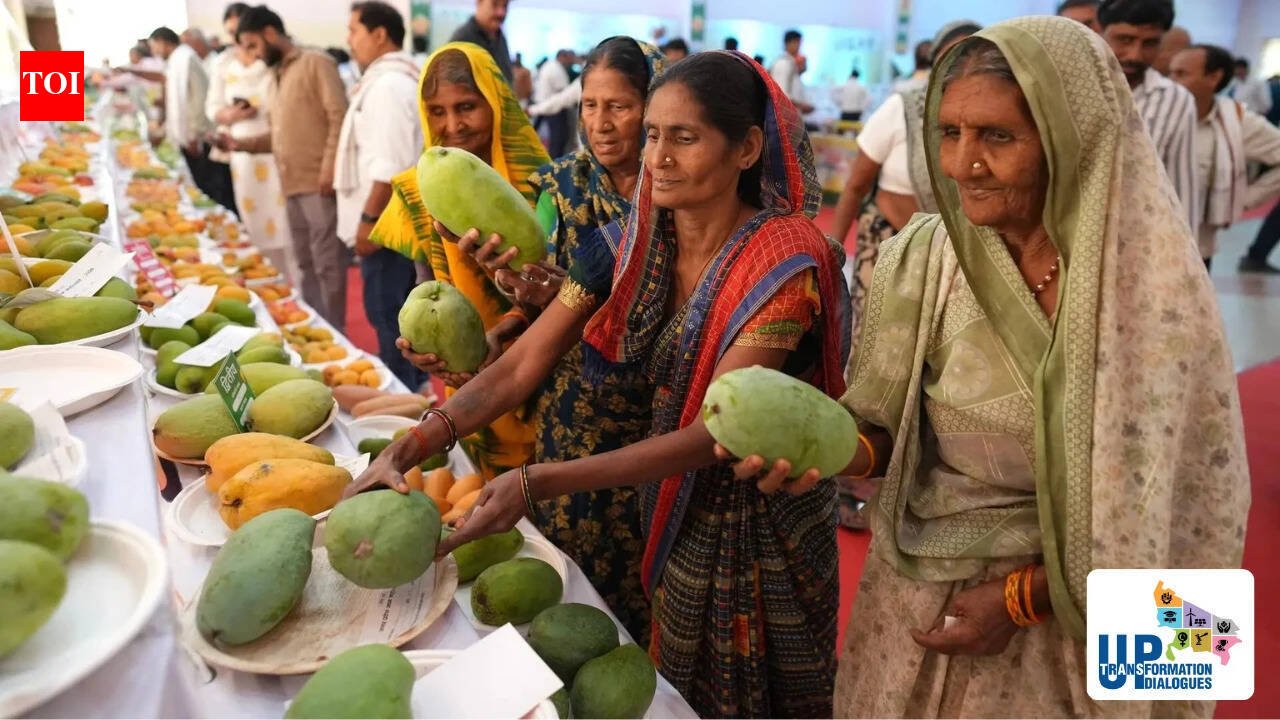
Amroha is a city and district headquarters in western Uttar Pradesh, located approximately 30 km west of Moradabad. Approximately 2,470 sq km, it is situated in the fertile Indo-Gangetic plains. The region is famous for mango cultivation and is bounded by major waterways, primarily the Ganga River.
Infrastructure and urban development
Under chief minister Yogi Adityanath‘s leadership over the past nine years, Amroha district has witnessed significant strides in infrastructure. The preparation and approval of the Amroha Master Plan 2031 marked a historic first for the district, focusing on planned urban expansion, road widening, industrial zoning, and improved connectivity.Major roads and rural pathways have been upgraded through schemes like the Mukhyamantri Gram Sadak Yojana, while integration with broader state expressway networks has enhanced access to nearby hubs like Moradabad and Delhi-NCR. These developments have reduced travel times, boosted local commerce, and laid the foundation for sustainable urbanisation in a region previously constrained by unplanned growth.
Industrial growth and MSMEs
Amroha has emerged as a growing industrial centre, with the Gajraula Industrial Area receiving targeted upgrades, including QR-code-enabled maintenance for quicker issue resolution in street lighting, civil works, and cleanliness.The district benefits from state-level textile and apparel initiatives, including proposals for textile parks, alongside traditional strengths in readymade garments and handicrafts. Investments in industrial corridors have attracted units, generating employment and modernising operations. Law and order improvements have created a conducive environment for businesses, shifting the district from sporadic activity to structured growth aligned with Uttar Pradesh’s investor-friendly policies.
Handicrafts and ODOP initiative
The One District One Product (ODOP) scheme, launched under Yogi Adityanath in 2018, has revitalised Amroha’s traditional sectors by branding dholak (musical instruments), readymade garments, and metal & wooden handicrafts for national and global markets. Government support through skill training, subsidies, marketing linkages, and export promotion has empowered artisans, increased incomes, and preserved cultural heritage.Clusters for cotton recycling and bindi-making have been integrated into the master plan, fostering cluster-based development that has elevated local products and created sustainable livelihoods for thousands of families.
Agriculture and rural economy
Farmers in Amroha have gained from statewide enhancements in irrigation, MSP procurement, and technological interventions promoted by the government. Improved road connectivity and rural infrastructure have facilitated better market access for produce, while schemes for water conservation and diversification have boosted productivity in this agrarian district.Integration with ODOP and allied activities like handicrafts has provided supplementary income, reducing distress migration and contributing to overall rural prosperity as part of Uttar Pradesh’s broader agricultural transformation.
Amroha’s connectivity
Amroha district has seen remarkable improvements in connectivity under the Yogi Adityanath government, transforming it from a relatively isolated area into a well-linked region. Strategic location along the Ganga Expressway and the upcoming 146-km Haridwar Expressway, which passes through 62 villages in the district, has enhanced high-speed access to Delhi-NCR, Haridwar, and other economic hubs, reducing travel times and boosting logistics for mango exports and industries.The Amroha Master Plan 2031 prioritises road widening, new arteries, and bypasses, complemented by Mukhyamantri Gram Sadak Yojana for rural linkages and upgrades to National Highways. Proximity to major rail routes and improved internal roads has strengthened market access for agriculture and handicrafts, fostering economic integration with Uttar Pradesh’s broader expressway network and supporting overall regional development.
Education, health, and social welfare
Amroha has benefited from Uttar Pradesh’s massive recruitment drives in education (over 1.6 lakh teachers statewide) and health infrastructure upgrades, leading to better schools, skill centres, and medical facilities. Welfare schemes have ensured wider access to housing, sanitation, nutrition, and digital literacy programs, with a focus on inclusive development for backward classes and women.These efforts, combined with improved governance, have enhanced human development indicators, empowering the youth and marginalised sections for a more equitable future in the district.
Amroha’s Mango Economy
Amroha, often called the “city of mangoes,” boasts a thriving mango economy that forms a vital pillar of its agricultural landscape. The district cultivates mangoes across approximately 18,000–20,000 hectares, yielding around 3.5–4 lakh metric tonnes annually, contributing roughly 12.5 per cent to Uttar Pradesh’s total mango output. Renowned for premium varieties such as Dasheri, Langda, Safeda, and unique local cultivars like Dhingra, Rehtol, and Ocean Ara grown in orchards around Amroha and Hasanpur, the sector supports thousands of farmers and allied workers.Expansive orchards, combined with traditional knowledge of grafting and cultivation, have sustained this heritage, while modern practices promoted under government initiatives have enhanced productivity and quality, making Amroha a key player in the state’s horticultural dominance.
Exports and value addition
In recent years, Amroha’s mango economy has gained momentum in exports through state-supported infrastructure like the modern pack house for grading, sorting, and packaging, enabling compliance with international standards. Uttar Pradesh mangoes, including those from Amroha, now reach markets in the UK, UAE, Malaysia, Singapore, Japan, Russia, and beyond, with targeted shipments facilitated by buyer-seller meets and events like the UP Mango Festival.Initiatives such as subsidies for food processing units (up to 50%), the upcoming Jewar airport’s Integrated Testing and Treatment Park, and FPO linkages have boosted farmer incomes, reduced post-harvest losses, and positioned Amroha’s produce for global competitiveness while strengthening the local economy through branding, traceability, and value-added products.
Amroha’s economic contribution to Uttar Pradesh
Amroha district makes a notable contribution to Uttar Pradesh’s economy through its robust agricultural base, handicraft traditions, and emerging industrial activities. With a Gross District Domestic Product (GDDP) of approximately Rs 23,224 crore and a per capita income of around Rs 97,175, it ranks among the state’s mid-tier districts while punching above its weight in horticulture — producing 3.5–4 lakh metric tonnes of premium mangoes annually and supporting exports via dedicated pack houses. Its ODOP products like dholak, readymade garments, and metal-wooden handicrafts, alongside the Gajraula Industrial Area and textile potential, generate significant employment and value addition.Integrated with state-wide infrastructure upgrades and the Master Plan 2031, Amroha bolsters UP’s agri-horticulture (contributing to the state’s 26 per cent share of national mango production), MSME ecosystem, and rural economy, aiding the vision of inclusive and balanced regional growth.


