



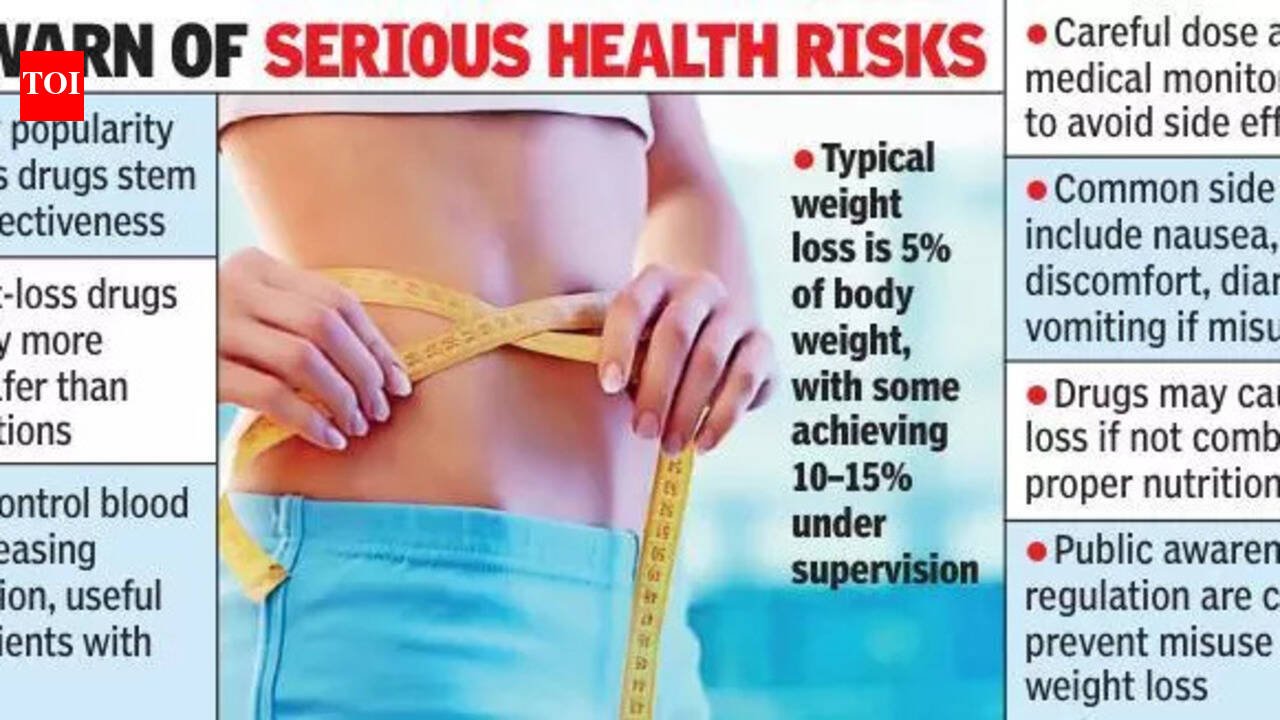
Hyderabad: A surge in the unsupervised use of popular diabetes and weight-loss drugs in Hyderabad has raised alarm among doctors, who warn that social media trends and peer influence are pushing many people to use the medications for cosmetic weight loss rather than genuine medical needs.Medicines such as Ozempic, Wegovy and Mounjaro—originally meant to treat diabetes and obesity—are increasingly being used for quick cosmetic weight loss. With cheaper generic versions expected to enter the Indian market later this month, health experts fear the misuse could rise further. Doctors say an increasing number of individuals are obtaining these injectable GLP-1 drugs over the counter or through online prescriptions and using them ahead of weddings, parties and other events rather than for genuine medical conditions such as diabetes or obesity. In some cases, gym trainers, beauticians and acquaintances are recommending them casually, raising serious concerns among specialists. Side-effectsIn one recent incident, a 24-year-old woman from Madhapur took the drug for aesthetic purposes despite having no medical indication. “The woman weighed just 60-62 kg with a BMI of 24. After taking it without a doctor’s advice, she developed gastric issues and other side-effects. These drugs should be used strictly only when prescribed by a doctor. Many people are now using them under peer pressure or for cosmetic reasons, without understanding the potential side-effects,” said Dr Ravi Shankar Erukulapati, consultant endocrinologist at Apollo Hospitals.Another case involved a 62-year-old patient who self-medicated before undergoing surgery and did not stop the drug a week prior to the procedure. “If the patient was not identified and treated in time, he could have developed pulmonary aspiration, a condition in which food or liquid remaining in the stomach enters the lungs,” added Dr Shankar. Drugs like Ozempic and Wegovy contain semaglutide, which mimics a natural hormone called GLP-1 that helps regulate blood sugar and reduce appetite. Mounjaro contains tirzepatide, which activates two hormones—GLP-1 and GIP—to improve blood sugar control and support weight loss. The treatment is usually administered through weekly injections. Doctors are now worried that the arrival of cheaper generic versions could widen access—and potentially misuse. Currently, semaglutide therapy costs between ₹10,000 and ₹14,000 per month, with a single dose priced at around ₹7,000-₹8,000. With generics expected to enter the market soon, the monthly cost could drop to below ₹5,000. “Lower prices will certainly help many patients who genuinely need the drug, particularly those with diabetes and obesity who often struggle to afford long-term treatment,” said a senior diabetologist from Osmania General Hospital. However, he warned that reduced prices may also encourage people seeking quick cosmetic weight loss to obtain the drug without proper medical advice. “Once cheaper generics become widely available, more people may attempt to buy them through informal channels, online platforms or without proper prescriptions,” he said. Insulin secretionDoctors say the popularity of these drugs stems from their effectiveness compared with older weight loss medications. Earlier treatments often offered limited benefits and were linked to serious cardiac and psychological side-effects. In contrast, the newer drugs have shown better safety in clinical trials and are now widely used to treat obesity. “Apart from helping people lose weight, these medicines also help control blood sugar by increasing insulin secretion, making them useful for patients who have both obesity and diabetes. Most patients can expect about 5% weight loss, while some may lose 10-15% of their body weight with higher doses and proper medical supervision,” said Dr Srinivas Kandula, senior endocrinologist at CARE Hospitals. Despite these benefits, doctors stress that the drugs require careful dose adjustment and monitoring by specialists. Unsupervised use can lead to side effects such as nausea, gastric discomfort, diarrhoea and vomiting—problems often seen in people trying to speed up results by taking higher doses. Muscle lossDr Anand Kulkarni, senior consultant hepatologist, also warned that while the drugs can help reduce weight, they may lead to muscle loss if not combined with proper nutrition and exercise. “While these drugs help reduce weight, patients may also lose muscle mass. People need to be educated about adequate protein intake, balanced diet and regular strengthening exercises,” he said. Doctors say stricter regulation and better public awareness are essential as these drugs become more accessible. While they remain effective treatments for diabetes and obesity, specialists caution that using them as a shortcut for cosmetic weight loss without medical supervision could carry serious health risks.


