



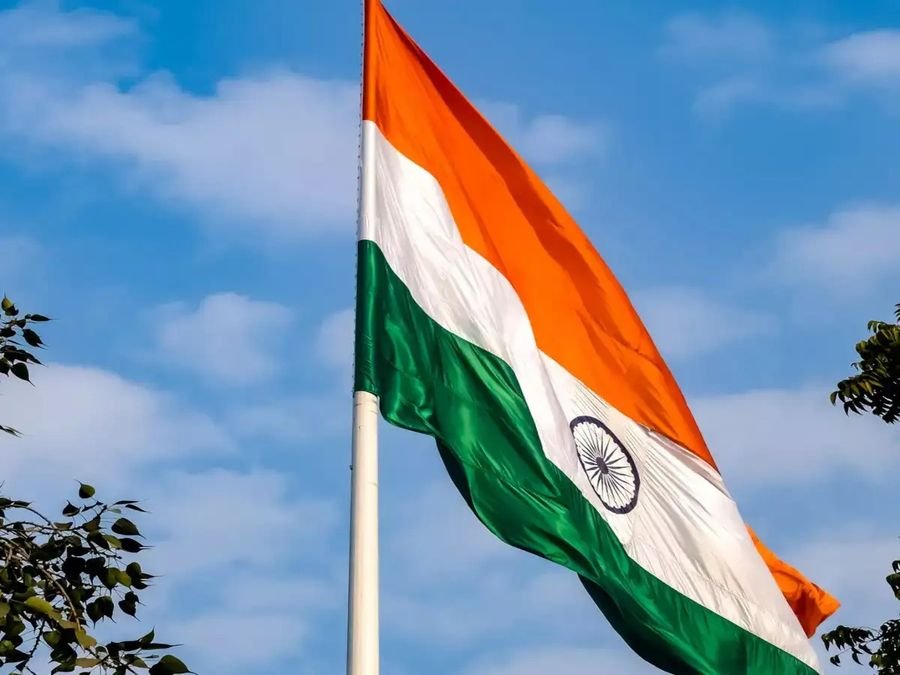
As India moves towards its 80th Independence Day, the renewed call to participate in the Har Ghar Tiranga movement is a welcome reminder of the enduring bond between the nation and its people. Prime Minister Narendra Modi’s appeal to citizens to hoist the National Flag at their homes, and to join the celebrations with renewed enthusiasm, reflects a larger effort to revive patriotic feeling in a manner that is both inclusive and emotionally powerful. At a time when public discourse is often fragmented, such a campaign offers a rare opportunity to bring the country together under one symbol, one emotion and one shared aspiration. The Tricolour is not just a national emblem; it is the living representation of India’s freedom struggle, its constitutional ideals and its civilisational spirit. When families place the flag at their homes, they are not merely observing a ritual. They are participating in a collective act of remembrance and respect. Har Ghar Tiranga has succeeded in transforming patriotism from a distant, formal idea into something visible, personal and deeply felt. It reminds citizens that the nation is not an abstraction, but a shared home built through sacrifice, struggle and hope. The significance of this year’s campaign is further deepened by the 150th anniversary of Vande Mataram, a song that has stirred the hearts of generations and inspired countless freedom fighters. By linking Har Ghar Tiranga with the celebration of Vande Mataram, the government has given the movement a greater emotional and historical resonance. It connects the pride of the present with the memory of the past, allowing citizens to celebrate independence not only as a political milestone but as a living inheritance. The campaign’s strength also lies in its reach. From Tiranga Yatras and rallies to concerts, exhibitions, bike marches and mass singing, Har Ghar Tiranga creates multiple avenues for participation. It is not confined to official ceremonies or elite spaces. It reaches districts, blocks, panchayats, households and public institutions alike. The call to hoist the flag and share a selfie may appear symbolic, but symbols matter. In a large and diverse democracy, they help create moments of collective belonging and civic pride. They remind citizens, especially the younger generation, that nationalism can be celebratory, constructive and inclusive. Launched in 2022 under Azadi Ka Amrit Mahotsav, the campaign has become one of the most recognisable public initiatives of recent years. Its success lies in its ability to make the National Flag present in everyday life, not just on ceremonial occasions. That familiarity strengthens the emotional connection between citizens and the republic. It encourages people to see patriotism not as a slogan, but as a shared responsibility. As states across the country begin their own Tiranga Yatras and preparations, the message of the campaign becomes even clearer: India is at its best when it celebrates itself together. The Har Ghar Tiranga movement deserves appreciation because it reminds every citizen that the pride of the nation begins at home. When the Tiranga rises from rooftops across the country, it carries with it the hopes, gratitude and unity of a people who remain deeply committed to India’s future.


