



AHKTER RASOOL
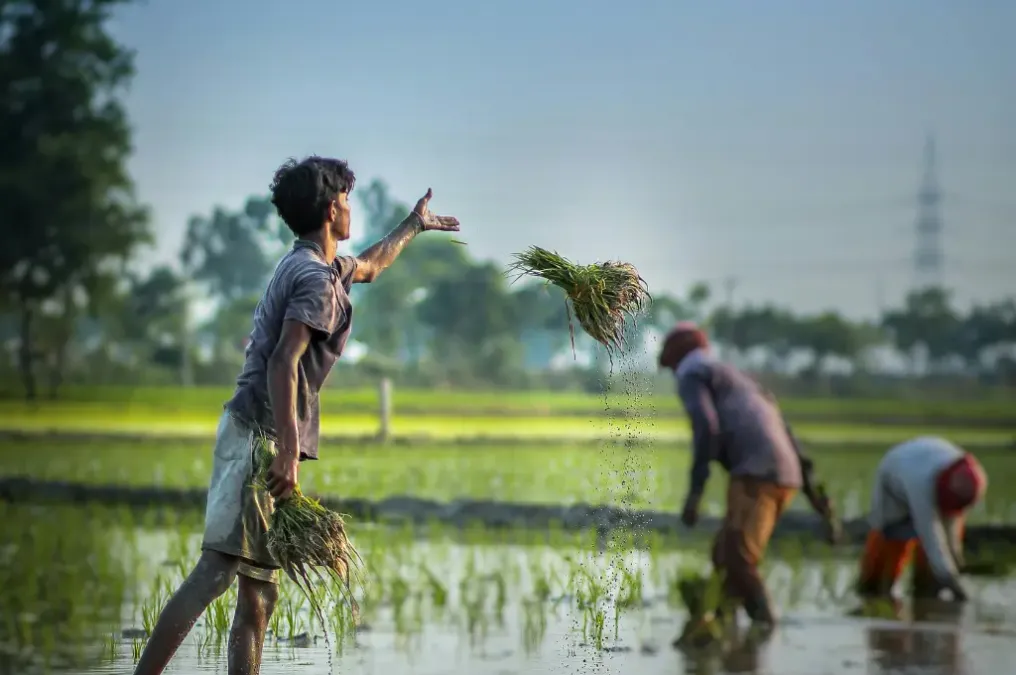
Agriculture remains the backbone of rural India, employing 42 per cent of the country’s workforce and contributing 17-18 per cent to its Gross Domestic Product (GDP). Within this vast sector, livestock alone accounts for 4.5 per cent of national GDP, sustaining the livelihoods of about 20.5 million people. Yet, even as these numbers testify to agriculture’s economic weight, rural India continues to grapple with unemployment, economic uncertainty and rising inflation — challenges that are felt most acutely by its youth.
It is against this backdrop that agripreneurship has emerged as a compelling response. Agripreneurship may be understood as a mindset: young people becoming determined, creative and willing to take calculated risks as they identify opportunities to build and expand farm-based enterprises.
Recognising this potential, the Government of India launched the Youth Engagement and Empowerment Program to help unemployed youth become self-reliant and reduce joblessness. At its core, the programme envisions meaningful youth engagement — an intentional, participatory process in which the ideas, expertise and experiences of young people are woven into programmatic, policy and institutional decision-making.
To deepen youth participation in the livestock sector specifically, the Central and Union Territory (UT) governments have rolled out a range of welfare schemes for farmers, women and young entrepreneurs. These include the Holistic Agriculture Development Programme (HADP), Jammu & Kashmir Competitiveness Improvement Project (JKCIP), Kisan Credit Card (KCC) scheme, Integrated Dairy Development Scheme (IDDS), Integrated Poultry Development Programme (IPDP) and National Livestock Mission (NLM).
Together, these schemes are designed to help young people — including women — set up their own enterprises in animal husbandry, agriculture and allied sectors, transforming them from job seekers into job creators within dairy, poultry and allied farming ventures. This shift builds self-reliance and economic stability, underpinned by sustained government support.
Equally important to this transformation is the honesty and integrity of farmers and local youth themselves, who must prioritise organic farming, avoid adulteration and adopt sustainable practices if these schemes are to deliver lasting value.
The dairy sector illustrates this potential well. Under the IDDS and HADP, aspiring farmers can avail a subsidy of 40-50 per cent to set up dairy units of five to twenty cows, with separate subsidy support for machinery and milk-transport vehicles. Depending on fat content and adulteration levels in milk, cooperatives or Self Help Groups (SHGs) — informal groups of ten to twenty local people, predominantly women, who pool their savings — can also establish automated milk-collection units.
Subsidies extend further to milk-processing units that produce value-added items such as dahi, paneer and ghee, covering the machinery required. A satellite heifer-rearing unit, complete with subsidy support for shed construction and rearing costs, is another avenue open to young entrepreneurs.
Poultry farming is equally significant, standing out as one of the most dynamic and fastest-growing segments of the animal husbandry sub-sector, encompassing the breeding, tending and raising of birds for eggs and meat. Aspiring poultry entrepreneurs can establish broiler and hatchery units ranging from 1,000 to 10,000 birds, with subsidies of up to 30 per cent available under HADP, IPDP and NLM.
Free-range poultry units, which require only the provision of night shelters, are similarly eligible for subsidy support under IPDP and HADP. To access these benefits, applicants must approach the relevant department, obtain the specific guidelines, and prepare a detailed project report. Beyond dairy and poultry, sectors such as horticulture, fisheries, sheep husbandry, and honey and mushroom production offer comparable government-backed opportunities for youth to launch their own ventures.
What ultimately determines the success of these schemes is not policy alone but the human element behind it: awareness, motivation, technical skill and timely guidance from development departments. When these come together, they strengthen the entrepreneurial capacities of rural youth in tangible ways.
In the final analysis, the Youth Engagement and Empowerment Program represents more than a set of subsidies — it is a structural shift in how rural India thinks about employment. By engaging young people in profitable, low-investment agricultural enterprises, the programme offers a pathway to sustainable livelihoods and improved incomes.
If sustained with transparency, adequate outreach and continued institutional support, this model of youth-led agripreneurship could well become the template for rural economic revival across the country.
(The author is a Veterinarian and an Independent Researcher. Email: [email protected])


