





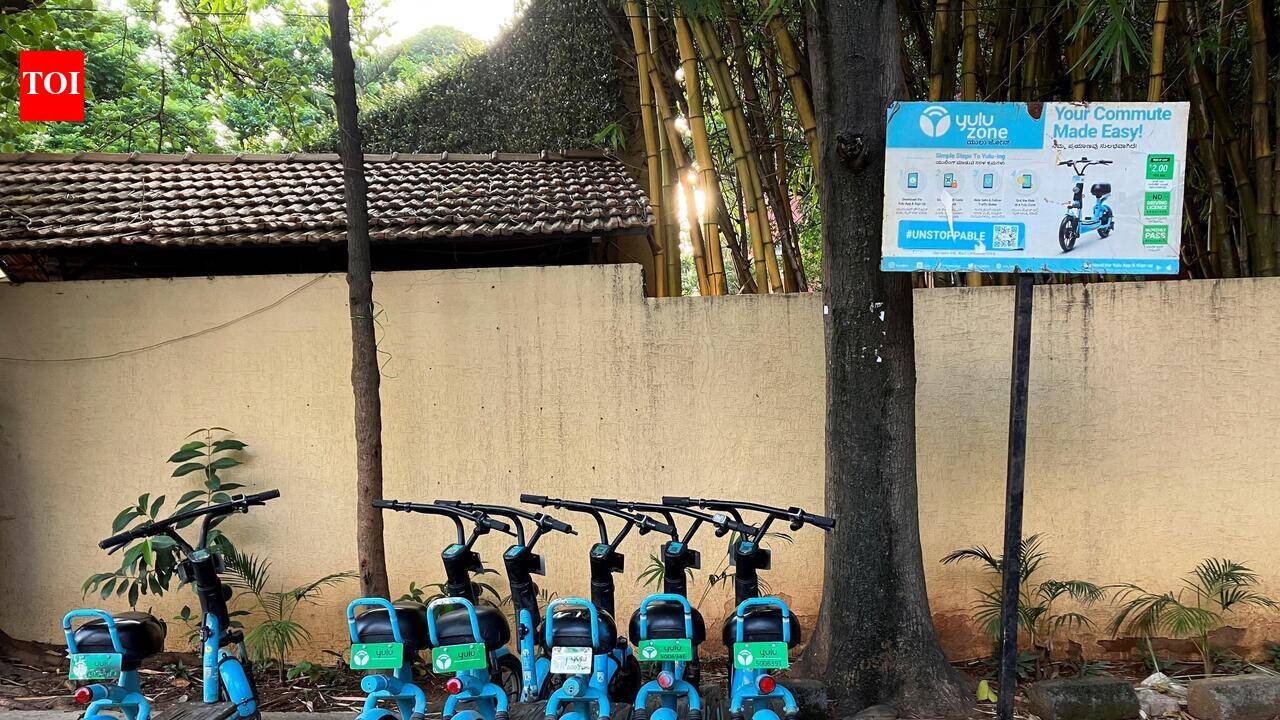
Bengaluru: Electric mobility startup Yulu has raised $93 million in fresh funding as it looks to quadruple its fleet to 200,000 vehicles over the next two years. The Series C round includes $63 million in equity led by GEF Capital and $30 million in debt.The expansion comes as quick commerce has become Yulu’s biggest business. More than half of its business now comes from riders delivering orders for quick-commerce platforms, co-founder and CEO Amit Gupta told TOI. Personal commuting, the use case Yulu started with, now makes up less than 5%.Demand, Gupta said, is already running ahead of supply. “We are right now turning away closer to 200 to 300 users every day because we are short of supply,” he said. “We are absolutely a very, very supply-constrained company.”Yulu currently operates in 12 cities. It directly runs operations in Bengaluru, Mumbai, Delhi-NCR and Hyderabad. Eight other markets are run through local franchise partners. It plans to increase its presence to 20 cities over the next year.Its choice of cities will closely follow where delivery demand is building. Gupta said Yulu is looking at markets with more than 100 dark stores, the small warehouses used by quick-commerce firms to fulfil orders, or populations of more than seven million.Gupta said Yulu is less worried about which quick-commerce company eventually dominates because its vehicles are used across more than 20 platforms. He also played down the risk of large players building their own fleets. “If it was so easy, they would have done that,” he said.Yulu is also widening the jobs its vehicles can handle. Its new Yulu Express scooter is meant for larger loads and longer trips, including ecommerce parcel deliveries and bike taxis. Gupta said bike taxis could become one of Yulu’s three biggest businesses within three years, alongside quick commerce and food delivery.The company is also trying to make each vehicle earn back its cost faster. Gupta said Yulu’s bikes are now built to last about four years or 75,000 km. Repair and maintenance, and energy supplied through battery-swapping network Yuma Energy, are its two biggest running costs.Both have fallen as the vehicles and network have improved. “Our target payback period is around 12 months, which we believe we will be able to hit in the next couple of years,” Gupta said, adding that 12-13 months is the ideal level.Yulu has been EBITDA-positive, meaning profitable from its core operations before interest, tax, depreciation and amortisation, since April 2025.


