





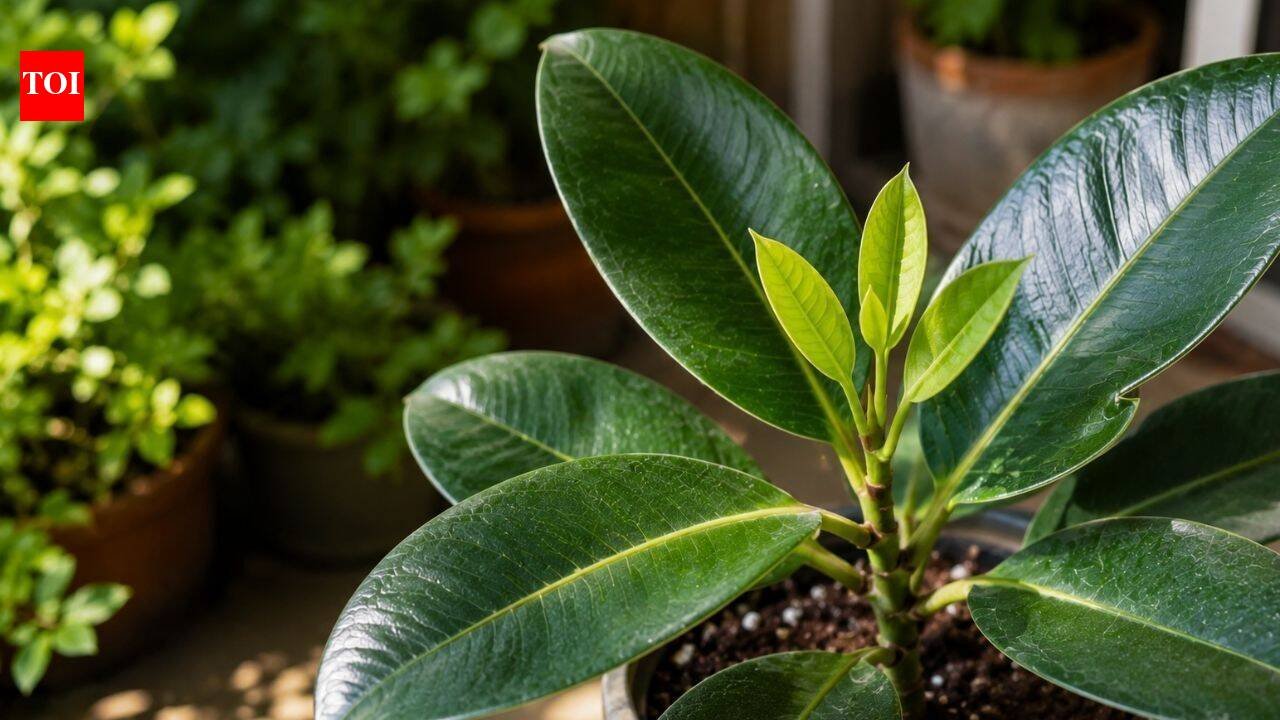
It can be surprising to see a plant produce smaller leaves when its older foliage looks healthy. A new leaf may simply look a little narrower or shorter than the old one. But if the pattern continues, it can be a sign that the plant is not growing under the same conditions as before. Light, water, soil, and space can all influence new growth. Changes in the surrounding environment can also make a difference. In some cases, pests may affect new leaves as they develop. A plant may also produce smaller leaves for a short period after being moved or disturbed. The older leaves do not always reflect these changes because they developed earlier. Looking at the leaves along with the soil, pot, and growing environment can help reveal what has changed. A few simple adjustments are enough to support healthier growth.
Signs to check when your plant’s new leaves keep getting smaller
Light can affect new growth
Light is an important part of healthy plant growth. When a plant receives less light than it needs, its new leaves may not reach the size of the older ones.This can happen when a plant is moved to a darker spot or when the available daylight changes. The older leaves may continue to look normal because they developed under different conditions.Look at the plant during the day and consider how much light it receives. If it needs more, move it to a brighter spot that suits its needs. Make the change gradually if it has been kept away from direct sunlight.
PC: AI Generated
A crowded root system can limit growth
Roots need space to grow and take up water and nutrients. When they become tightly packed inside a pot, the plant may struggle to support strong new growth.Check the drainage holes for roots growing through them. If you are repotting the plant, look at the roots inside the container as well.If the roots have filled the pot, consider moving the plant into a slightly larger container. Use fresh potting mix and make sure excess water can drain away.
Watering can change the way new leaves develop
Water plays an important role as new leaves form. Too little water can slow growth, while soil that stays wet for too long can affect the roots. Both problems can lead to weaker new growth.Check the plant before watering rather than following a fixed routine. The amount of water a plant needs can vary with its type, pot size, light, and the conditions around it.
The potting mix may need attention
Plants take nutrients from the growing mix as they develop. Over time, a potting mix can lose some of the nutrients for the plant.If a plant has been growing in the same container for a long time, new leaves may become smaller as growth slows.Fresh potting mix or a suitable fertiliser may help, depending on the plant and its growing conditions. Always follow fertiliser instructions and avoid using more than recommended.
Dry conditions can affect growth
Some plants need more moisture in the air than others. When indoor air is very dry, new leaves may not develop as well.The leaves may remain small or take longer to grow. This is more common in plants that naturally grow in humid environments.Check the plant’s needs and keep it away from strong sources of dry air when possible. If the room is very dry, a humidifier can help create more suitable conditions.
Pests can damage developing leaves
Young leaves can be affected by pests before they fully open. Small insects may feed on the new growth and leave behind damaged or distorted leaves.Look closely at the newest leaves and check their undersides. Examine the stems too. Small insects, sticky marks, or other unusual changes can point to a pest problem.If pests are present, identify them before choosing a treatment. This can help you use the right method and avoid unnecessary treatment.
PC: AI Generated
Simple ways to help your plant develop healthier new leaves
Here are a few basic changes that can help a plant produce stronger new leaves:
- Make sure it gets the right amount of light for its type and water it when needed.
- Check that the roots have enough space and that the pot has good drainage.
- Fresh potting mix can also help if the plant has been in the same soil for a long time.
- If the plant needs feeding, use a suitable fertiliser as directed. Keep it away from sudden changes in temperature and give it time to adjust after moving it.
- Regularly check the new leaves for signs of pests or damage. Small changes made steadily are often more helpful than changing several things at once.


