



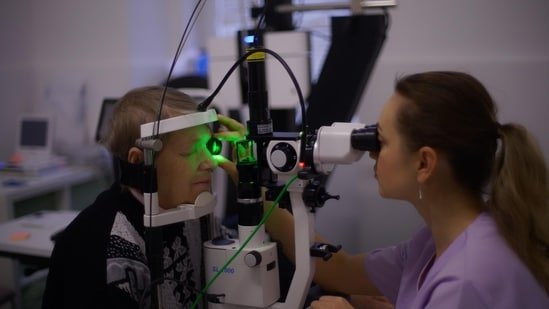
India has achieved globally recognised success in advanced eye care, with world-class surgical outcomes and cutting-edge technology. Yet preventable blindness continues to affect many people, with nearly 82.3% blindness among adults and 35% among children attributed to avoidable causes particularly in rural and underserved communities.
While tertiary institutions, highly skilled specialists and advanced surgical procedures remain essential pillars of healthcare delivery and play a critical role in restoring sight and managing advanced eye conditions, global health experience shows that the most effective health systems combine strong tertiary care with robust, community-based primary care.
When primary care is accessible and well-integrated with higher centres, diseases can be detected early, complications are prevented, and patients are guided smoothly through the healthcare system. Eye care provides a powerful example of how such an integrated approach can significantly improve health outcomes.
Conditions such as cataract, uncorrected refractive errors, diabetic retinopathy, age-related macular degeneration and glaucoma remain the leading causes of visual impairment in the country. Many of these conditions are preventable or treatable when detected early. In many cases, the problem is not the absence of treatment but the lack of timely diagnosis.
A child who cannot see the blackboard may simply need spectacles. An elderly person with early cataract may require monitoring before surgery becomes necessary. A person living with diabetes benefits from regular retinal screening to prevent irreversible vision loss. These are direct interventions when identified at the right time. When early detection is limited, patients may seek care only after vision has already deteriorated, making treatment more complex. Strengthening primary care helps ensure that conditions are identified earlier and referred appropriately, allowing tertiary hospitals to deliver timely and effective treatment.
Distance remains one of the most significant barriers to caring for many families. For elderly patients, travelling to a hospital may require physical effort and logistical support from relatives. For women in rural or low-income communities, household responsibilities and financial constraints can delay health care visits. For children, vision problems may go unnoticed unless systematic screening takes place in schools or communities.
Hospitals provide essential and high-quality care, but accessing them may involve travel, time and indirect costs such as lost wages or transportation. When primary eye care services are available closer to where people live, these barriers are reduced and individuals are more likely to seek help early. Community-based services such as school screening programmes, family health workers and neighbourhood vision centres can play an important role in identifying vision problems early and guiding patients toward appropriate care.
India’s efforts to reduce avoidable blindness can benefit greatly from a decentralised vision care ecosystem that complements the country’s strong tertiary institutions. Integrating community-level screening, primary eye care providers, teleophthalmology networks and referral pathways can help ensure that individuals receive the right care at the right time. Experience from large community eye care programmes suggests that a significant proportion of patients can be managed at the primary level itself. Many individuals receive treatment or corrective spectacles locally, while patients requiring surgical or specialist care are referred to higher centres. Such an approach aligns closely with the goals of the National Programme for Control of Blindness and Visual Impairment (NPCBVI) and broader global public health frameworks.
By building a continuum of care that begins at the village, school or neighbourhood level and connects seamlessly to specialised centres when required, India can expand access to vision services and further strengthen its achievements in eye care.
Human resources are central to the success of community-based care models. With structured training and supervision, the health providers can deliver what is often referred to as the three ₹of primary eye care — refraction, recognition and refer.
Refraction involves assessing vision and determining spectacle power so that individuals with refractive errors can receive glasses. Recognising refers to identifying early signs of potentially sight-threatening conditions such as cataract, glaucoma or diabetic eye disease. Refer ensures that patients who require specialist evaluation are directed promptly to higher centres.
When providers come from the communities they serve, trust and familiarity help encourage early healthcare-seeking behaviour. These programmes also create meaningful livelihood opportunities and strengthen skills within underserved areas.
Technology is rapidly expanding the reach of eye care beyond hospital settings. Smartphone-based visual acuity tools now allow basic vision screening to be conducted even in resource-limited environments. Portable diagnostic devices and digital imaging systems enable screening for conditions such as diabetic retinopathy closer to where people live. Artificial Intelligence-enabled retinal screening tools are also emerging as valuable aids for detecting early signs of glaucoma and diabetic eye disease. By identifying risks earlier, they help ensure that patients who require specialist care are referred in time.
Teleophthalmology further strengthens this model by digitally connecting primary care centres with ophthalmologists at secondary or tertiary hospitals. Through remote consultations, specialists can review cases, guide treatment and determine when in-person care is required.
The lessons from primary eye care extend well beyond vision health. India faces a growing burden of chronic conditions such as diabetes, hypertension and cardiovascular disease. These conditions require early detection, regular monitoring and sustained engagement with patients over time.
Strengthening community-based healthcare, training allied health workers and using technology to connect them with specialists can significantly improve the management of such conditions. India’s hospitals and specialists will continue to remain the backbone of advanced medical care. Complementing them with strong primary care systems can ensure that more people benefit from timely diagnosis, appropriate referral and effective treatment. Ultimately, primary care is not a separate layer of the health system, it is the foundation that supports and strengthens the entire continuum of care.
This article is authored by Dr Umang Mathur, CEO, Dr Shroff’s Charity Eye Hospital.


