



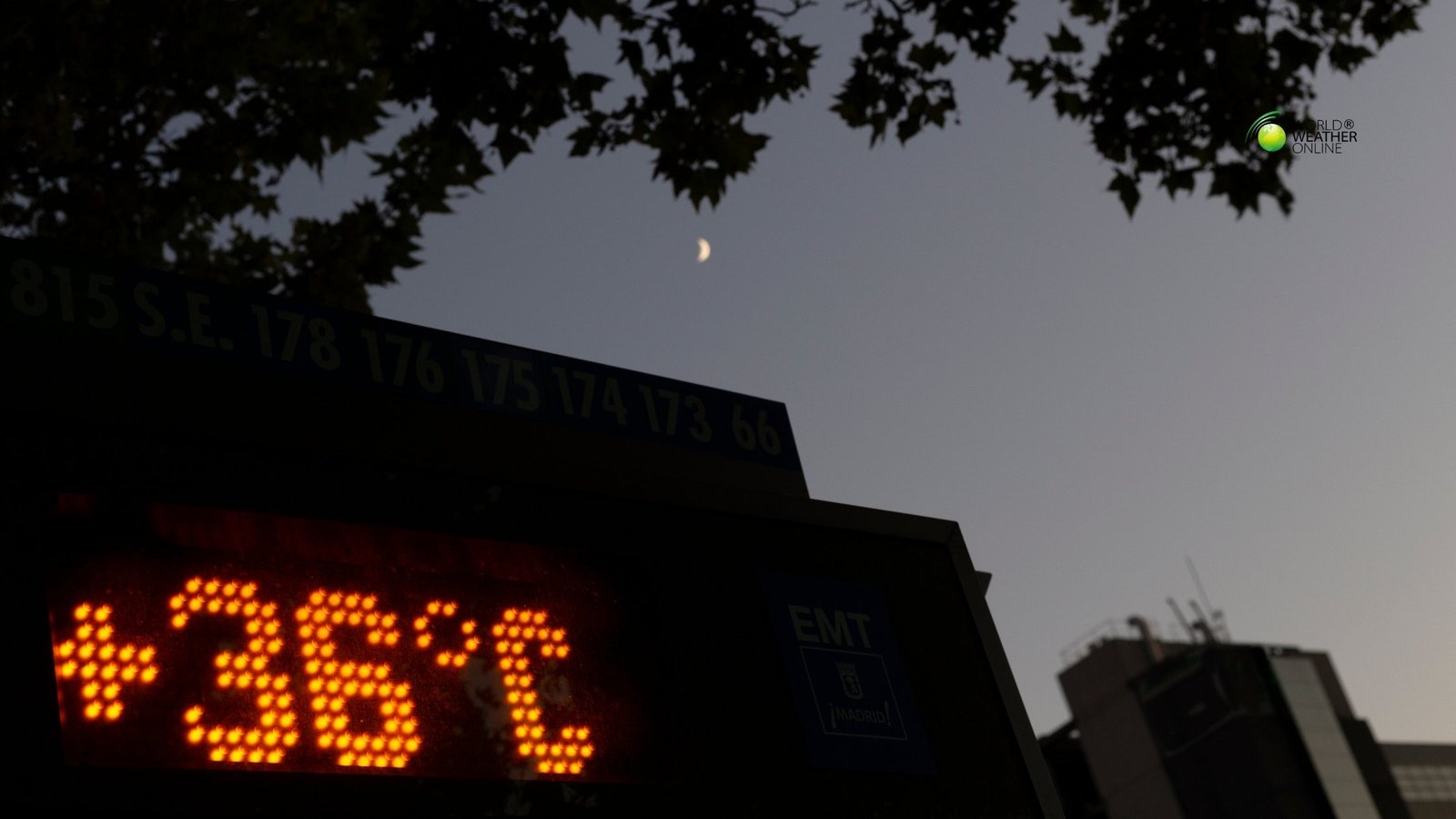
Usually, a heatwave is measured by record daytime temperatures. But the more worrying signal may be what happens after sunset. When nights stay unusually warm, homes do not cool adequately, the body gets less chance to recover, and heat stress carries into the next day. That is why modern forecasters and health officials pay special attention to nighttime minimum temperatures.
The importance of nighttime temperatures has become evident after observing the latest European heatwave. Cardiff registered an overnight minimum of 23.5°C, which is the highest June nighttime temperature on record for the UK. Other European countries also faced the same nighttime temperature.
Why Warm Nights Increase Heat Stress
Biologically, the human body normally uses the night as a “recovery period”. After a hot afternoon, cooler evening air helps reduce body temperature, ease strain on the heart, and restore sleep. When the temperature remains high through the night, that recovery remains limited.
Heat stress can build over several days, especially when people sleep badly, sweat heavily, drink too little water, or live in homes that hold heat extensively. Specifically, the World Health Organization warns that heat can worsen cardiovascular disease, diabetes, asthma, mental health conditions, and other illnesses. Heatstroke is an important term used to refer to a medical emergency, but many heat-related problems begin earlier, with exhaustion, dizziness, headaches, cramps, confusion, dehydration, or disturbed sleep.
This is why nighttime heat is a significant warning sign. It shows that the whole environment has warmed, not just the afternoon air. Walls, pavements, roofs, and rooms stay hot, and vulnerable people spend longer under stress.
Europe’s Heatwave by the Numbers
The current heatwave has brought dangerous figures across western and central Europe. Red heat alerts are being issued in France and Britain. School disruption, power problems, agricultural stress, and outdoor-work restrictions are also being implemented in parts of Italy.
In the UK, more than 1,000 schools shortened hours or closed. In France, schedules were closed or modified across 13,500 schools. Some classrooms reached around 40°C, creating difficult conditions for students and teachers. Research shows that performance improves by 20% when classroom temperatures are reduced from 30°C to 20°C.
Eventually, it highlights that increased nighttime temperature also affects people’s performance at work. Poor sleep makes the next day extremely challenging. Students struggle to concentrate, workers feel more fatigued, and older adults may begin the day already under strain.
Hospitals and Emergency Services Feel the Pressure
Extreme heat also puts pressure on healthcare systems. Several NHS trusts in England declared critical incidents as hospitals struggled with heat-related equipment and infrastructure problems. Some radiotherapy machines, MRI scanners, IT systems, and cooling units are being affected, while ward temperatures reached up to 35°C. London Ambulance Service recorded 642 category-one emergency calls in one day.
These alarming numbers show that heat is not only a comfort issue. It can interrupt daily life, including healthcare, weaken emergency response, and create extra risk for patients who are already unwell. Hospital patients, older adults, babies, pregnant women, and people with heart, lung, or kidney conditions are among those most at risk.
How to Stay Safer During Hot Nights
During a heatwave like this, people should treat the evening as part of heat safety, not just the daytime. Curtains and blinds should stay closed during the hottest hours to reduce indoor heat. Windows are most useful when the outside air is cooler than the inside air, often late at night or early morning. It is also advised to drink water regularly, limit alcohol, and take a lukewarm shower, which would help the body cool down.
Furthermore, fans can be useful, but they should not be the only protection in very high temperature rooms. People should move to the coolest part of the home if possible and check on older relatives, neighbours, babies, and anyone with health conditions. Local heat-health alerts are also crucial because risk depends on temperature, humidity, duration, and the reliability of local infrastructure.
Nighttime Heat Is a Forecast Warning
Europe’s current heatwave shows why weather forecasts need to highlight more than maximum temperatures. A record afternoon high may attract attention, but a warm overnight minimum can reveal whether the body and buildings will get any real relief or not.
Hot nights turn heatwaves into longer, more stressful events. In fact, they affect sleep, health, schools, hospitals, transport, and work. As Europe faces more intense summer heat, nighttime temperatures may become one of the most important signals of danger. However, taking precautionary measures is always better to cope with this extensive heat season. Reduce your outdoor time and stay updated with the latest weather updates through the World Weather Online platform instantly.


