






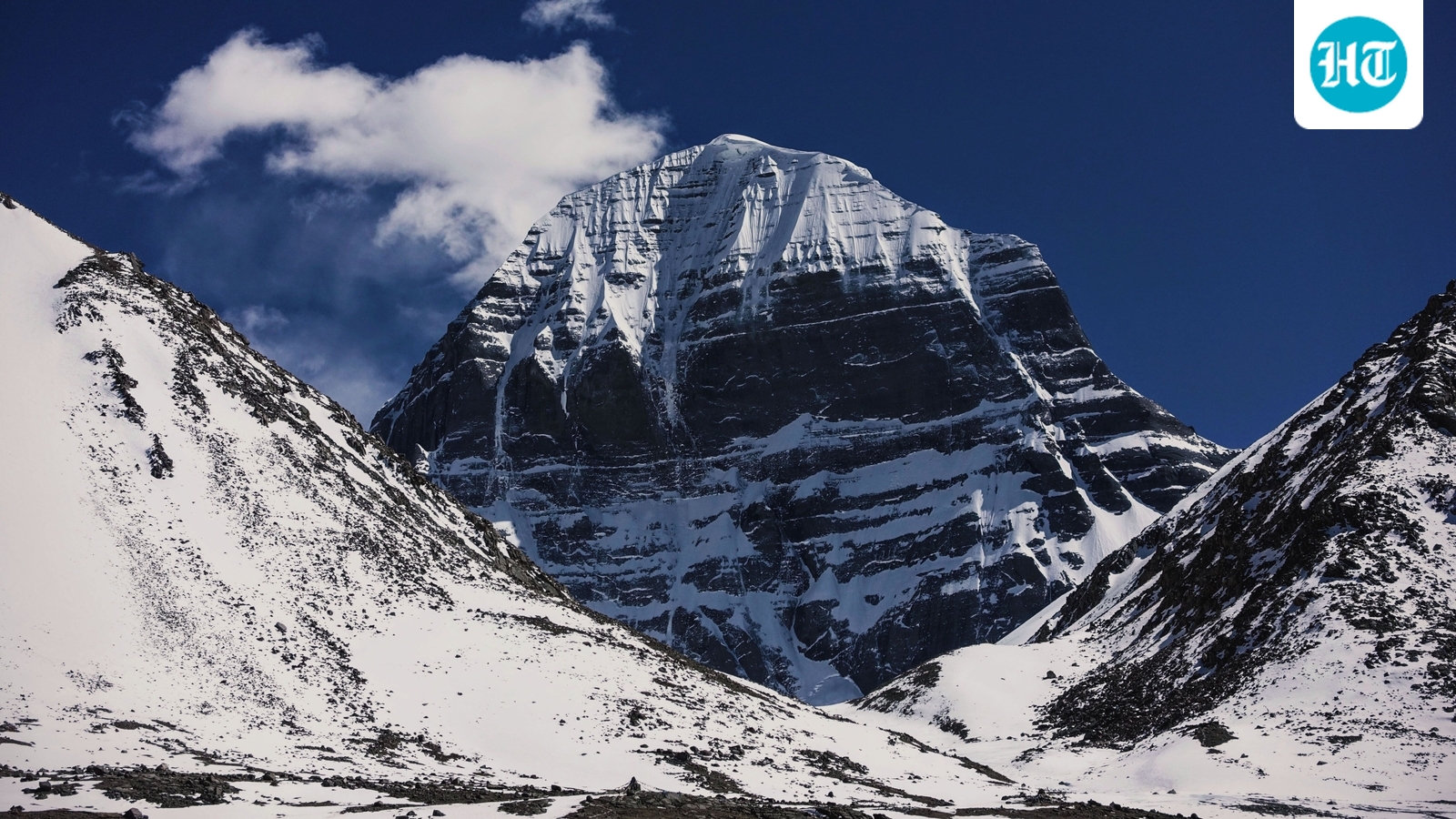
For many spiritual seekers, Mount Kailash is more than a remote peak in the Himalayas. It is a place connected with centuries of pilgrimage, meditation and religious tradition. Sadhguru’s association with Kailash has once again brought attention to why people make the difficult journey to the sacred mountain and what they hope to find there.
Kailash is revered in Hinduism, Buddhism, Jainism and the Bon tradition, although each tradition has its own beliefs and stories connected to the mountain. In Hindu tradition, it is associated with Shiva, while Tibetan Buddhists regard it as an important sacred site.
Also Read Sadhguru on Kailash: Why does the spiritual teacher return to the mountain again and again?
Why is Mount Kailash considered sacred?
The spiritual importance of Kailash goes far beyond its height or dramatic landscape. For devotees, the mountain represents a connection with something larger than everyday life.
In the yogic tradition promoted by Sadhguru, Kailash holds a particularly significant place. Isha describes it as a sacred site and associates it with the presence and teachings of Shiva, regarded in that tradition as Adiyogi, the first yogi.
Sadhguru has also described Kailash as a kind of “mystical library”, saying that the mountain is believed in yogic tradition to preserve the knowledge of realized beings. This is a spiritual belief, rather than a claim established by science.
Also Read Sadhguru calls Mount Kailash the ‘greatest mystical library’. What does it mean in spirituality?
What does a Kailash pilgrimage mean spiritually?
A pilgrimage can change the way you experience a journey. Instead of simply travelling from one destination to another, you deliberately step away from familiar routines and spend time in a place that carries deep meaning for your tradition.
That idea is central to the spiritual appeal of Kailash. The difficult terrain and demanding journey can become part of the experience itself. For spiritual seekers, the focus is not necessarily on reaching a scenic viewpoint. It can be about reflection, devotion and turning attention inward.
Isha has previously described its Himalayan journeys with Sadhguru as combining trekking, meditation and spiritual processes. The organisation says these journeys are intended to help seekers explore their connection with the sacred landscape.
Also Read What is Samadhi? Sadhguru explains why it is more than deep meditation
Why is Shiva associated with Mount Kailash?
In Hindu tradition, Mount Kailash is widely regarded as the abode of Shiva. Isha’s explanation gives this belief a yogic interpretation, saying that Shiva’s connection with Kailash is not simply about imagining the deity physically living on the mountain. Sadhguru instead describes Kailash as a place where Shiva’s knowledge was deposited.
For someone approaching Kailash through spirituality, that changes the way the mountain is viewed. It becomes less about the physical peak and more about what the landscape represents.


