



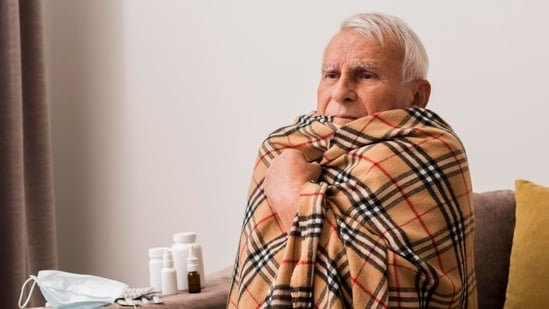
You may observe older adults feeling colder than others. Even when everyone else in the room feels comfortable, they may need a shawl because they feel unusually chilly. This generally happens as a part of ageing, but there’s a much bigger explanation than this being simplified to being ‘too sensitive’ to cold. There is actual science behind why seniors tend to feel colder more easily. The concept is rooted in age-related changes in thermoregulations.
How does body become less efficient at producing heat? Senior consultant geriatrician Dr Ritika Reddy at Geri Care simplified the science behind and what lifestyle measures can be adopted to ease it.
Why do seniors feel cold?
The biggest reason the geriatrician believed was a combination of factors which result in slow production of body’s natural health.
What are these factors?
“Metabolism, which is responsible for turning food into energy and heat, becomes more inactive over time. In addition, the muscle mass gradually decrease with age. Since muscles generate warmth, reduced muscle mass means the body produces less heat usually,” Dr Reddy decoded the common factors responsible.
Next, let’s look at another complaint: older adults say their hands and feet feel cold. This, too, has a valid explanation and can be traced back to age-related changes in circulation.
“Blood vessels tend to become much less flexible with age, affecting how efficiently warm blood reaches the hands, feet, and skin surface,” the geriatrician said.
The other reason is linked to the body’s internal thermostat, which becomes less responsive over the years. As the doctor explained, this makes it harder for the body to adjust to temperature changes effectively. This can also be traced to thinning skin and loss of body fat beneath the skin. Otherwise this layer acts as a natural insulation, helping the body retain warmth. With age, as the body becomes thinner and more frail, it is challenging for the body to hold onto the heat, making older adults feel colder way more easily.
Can ‘feeling cold’ mean any underlying health issue?
Yes it can. Feeling cold all the time should not always be dismissed as a normal part of ageing, as it may signal a deeper health problem that is undetected. The doctor informed that those conditions are anemia, hypothyroidism, diabetes, poor nutrition or heart disease can contribute to persistent cold sensitivity.
Other than ailments which are not diagnosed yet, certain medications also cause low cold tolerance, especially those used for blood pressure or heart-related issues, may also reduce blood flow and increase the feeling of chilliness.
This is why suddenly feeling too cold for too long should never be ignored, irrespective of age. It is best to see a doctor and rule out underlying cause instead of assuming it is simply age-related. Seniors do not need to put up with it because they are expected to and it is normal. It may indicate any ailment that is silently growing inside.
Lifestyle habits to make it bearable
If it is ageing related then you can consider adopting a few habits that aid in making it more manageable. The doctor shared few effective hacks that work:
- Wear layered clothing
- Staying physically active
- Eating balanced meals, rich in iron and protein
- Drinking enough fluids
- Keeping warm indoors to stay comfortable
- Gentle exercise routines improve mobility and helps the body with generating heat.
Note to readers: This article is for informational purposes only and not a substitute for professional medical advice. Always seek the advice of your doctor with any questions about a medical condition.


