






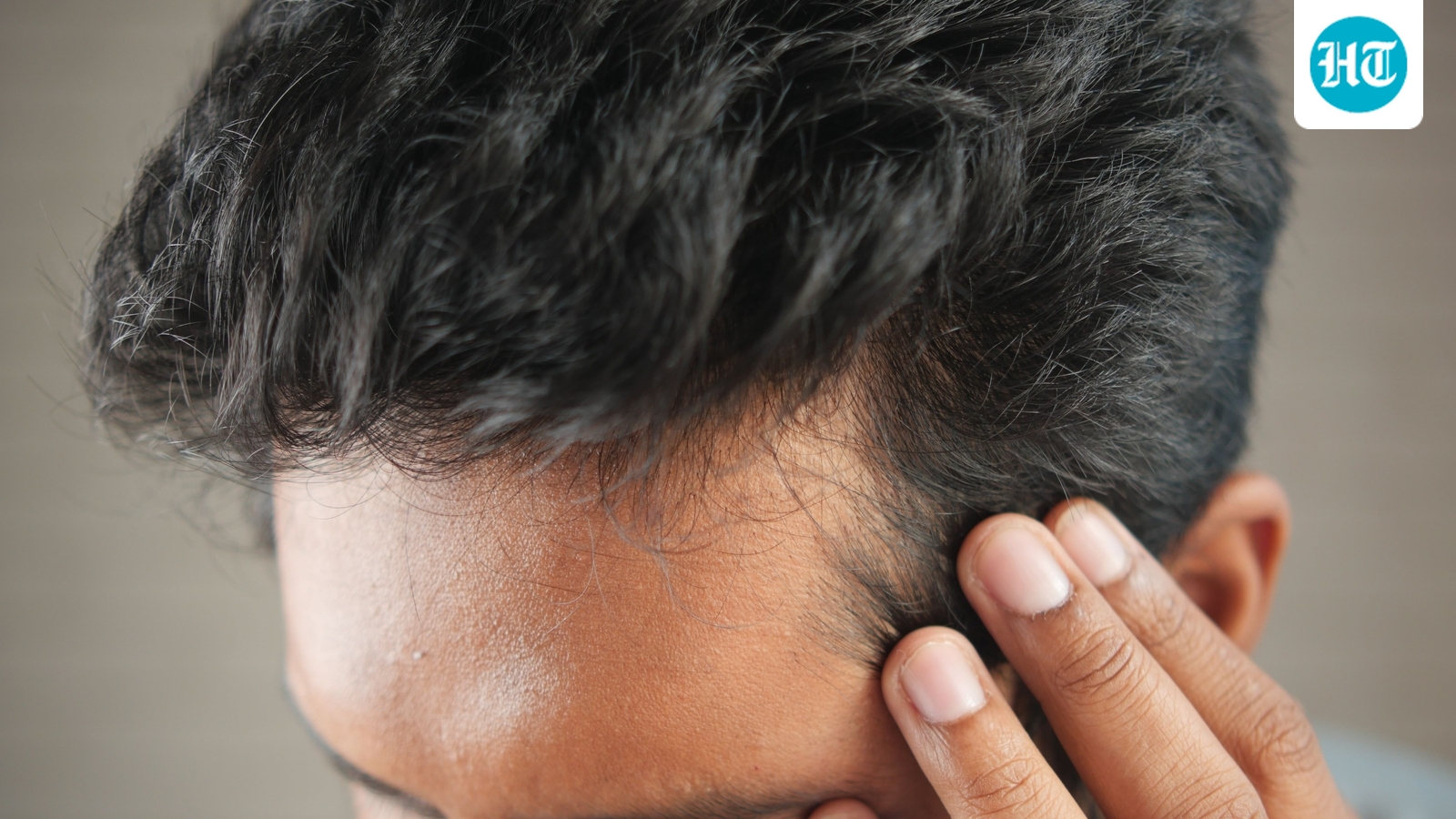
Hair loss in young men is no longer something we associate only with their 30s or 40s. In dermatology clinics, it is increasingly common to see men in their late teens and 20s concerned about a receding hairline, widening thinning at the crown, or excessive shedding. But what is actually driving it? Is it genetics? Stress? Diet? Fitness supplements such as creatine? In reality, hair loss is rarely caused by one factor alone. In an interview with HT Lifestyle, Dr Rashi Soni, MBBS, consultant at Traya, revealed the reason behind the hair loss.
Also read | From split ends to heat damage: Dermatologist reveals why a low-heat hair routine makes sense for summer 2026
Genetics
According to Dr Rashi, the biggest piece of the puzzle for young men with a receding hairline or progressive thinning over the crown, androgenetic alopecia, commonly called male-pattern hair loss, is one of the most important causes.
“Genetics influences how susceptible hair follicles are to androgens, particularly dihydrotestosterone (DHT). In genetically predisposed individuals, susceptible follicles gradually miniaturise, producing thinner and shorter hairs over time,” said Dr Rashi. Importantly, this genetic tendency can come from either side of the family.
The common misconception that hair loss is inherited only from the mother’s side is incorrect. “From a dermatologist’s perspective, the pattern matters. Gradual recession at the temples, thinning at the crown and progressively finer hair are very different from sudden, diffuse shedding,” explained Dr Rashi.
Stress
Modern lifestyles can put hair follicles under considerable stress. Exams, demanding jobs, emotional stress, poor sleep, rapid weight loss and illness can all affect the hair cycle. According to Dr Rashi, one common condition is telogen effluvium, where a larger-than-usual number of hairs prematurely enter the shedding phase. The increased hair fall may become noticeable a few months after the triggering event, which is why people don’t always connect the two.
What about creatine?
“Creatine itself has not been conclusively established as a direct cause of hair loss,” said Dr Rashi. The concern largely stems from research involving changes in DHT levels, but an increase in a hormone level does not automatically mean that creatine causes clinically significant hair loss.
For someone genetically predisposed to androgenetic alopecia, however, it is reasonable to monitor changes in hair density and pattern rather than automatically blaming the supplement. The important distinction is between association, biological possibility, and proven causation. At present, the evidence does not justify telling every young man that creatine will make him go bald.
Nutrition and lifestyle
Dr Rashi highlighted that hair is a non-essential tissue from the body’s survival perspective. During periods of nutritional deficiency or physiological stress, the body can prioritise essential organs over hair growth. Inadequate protein intake, restrictive diets, and deficiencies such as iron or other nutrients may contribute to hair shedding in susceptible individuals. This does not mean that every person experiencing hair fall has a nutritional deficiency, and blindly taking supplements is not the answer.
Note to readers: This article is for informational purposes only and not a substitute for professional medical advice. Always seek the advice of your doctor with any questions about a medical condition.


