









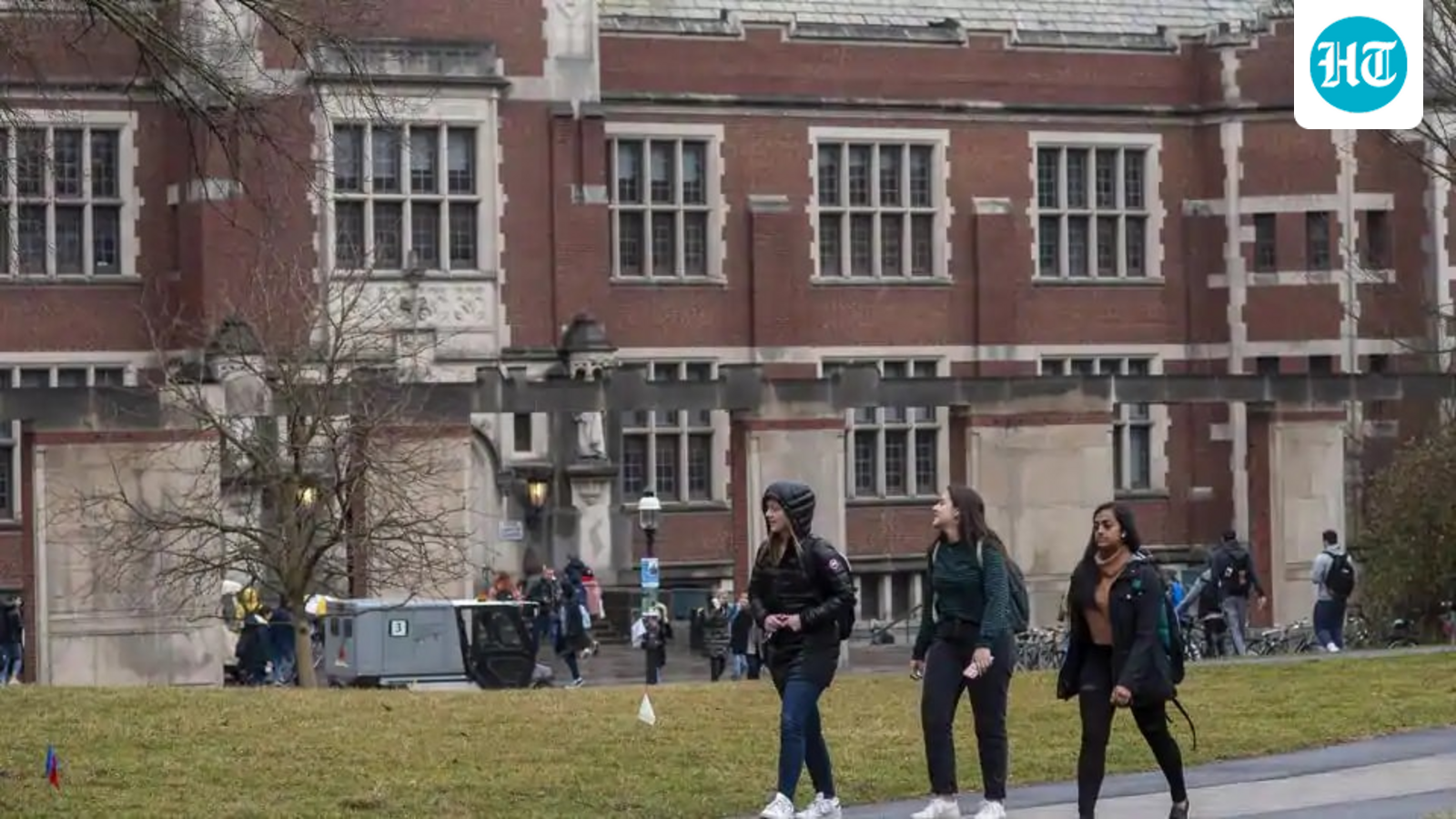
For decades, Indian families chose an overseas destination by weighing a familiar set of factors: university ranking, tuition fees, scholarship prospects and post-study work rights. Accommodation was treated as a logistical matter, to be settled once the visa arrived. That sequence is changing, as rising housing costs make it increasingly important to consider the full cost of studying abroad.
In cities such as London, New York, Sydney and Paris, accommodation can account for a substantial share of a student’s monthly budget. For families planning an international education, understanding these costs before committing to a university is becoming essential.
The underlying cause is not difficult to identify. International enrolments have grown faster than the supply of purpose-built student housing in many destinations. Universities typically guarantee rooms to a limited number of students, leaving others to navigate the private rental market. For newcomers unfamiliar with local prices, neighbourhoods and rental processes, making the right choice requires research and preparation.
Also Read: Where Indian students choose to study in a shifting world
The limits of the tuition comparison
Tuition fees have long served as the primary measure of affordability, but they present an incomplete picture. Consider two students paying comparable fees, one in a mid-sized German city and the other in a major Australian metropolis. Once rent, transport, groceries and utilities are included, their annual expenditure can differ by several thousand dollars. A lower fee does not necessarily translate into a cheaper degree.
This makes it important to look beyond country-level comparisons. Within the same country, universities offering comparable programmes and occupying similar positions in ranking tables may be located in cities with very different living costs, potentially translating into thousands of dollars in savings over the course of a degree. Smart students will research these options carefully, weighing academic fit, career prospects and overall expenditure rather than assuming that a particular country is necessarily more affordable.
Planning as a safeguard
If accommodation is to be treated as a serious criterion, it must be examined early. Prospective students would do well to ask whether the university provides housing and for how long, what a shared room costs in that city, whether deposits or agent fees apply, and what the daily commute will involve in time and money.
Timing is equally important. University-run halls often fill several months before the term begins, and students who apply early generally enjoy a wider choice of accommodation and may access better pricing. Comparing university housing with options on established student housing marketplaces can also help students assess locations, facilities and prices before making a decision. Conversations with alumni or seniors already living in the city can add practical insight, while bookings through universities or verified platforms can help reduce the risk of rental scams.
A realistic budget should account for rent, deposits, utilities, internet, transport and a modest reserve for emergencies. It should be prepared before the choice of university and country is finalised, not afterwards.
A matter of balance
None of this diminishes the importance of academic reputation, tuition or post-study opportunities. These remain central to any sound decision. But accommodation costs deserve a place in the conversation from the outset, alongside the other factors that shape a student’s future.
Rising housing costs need not limit ambition or determine where a student studies. With early planning, the right information and detailed research, students can identify options that balance academic aspirations with financial realities. Comparing university accommodation with verified student housing marketplaces and applying early can help them make informed choices and access better options. The goal is not simply to find the cheapest place to live, but to make a well-informed choice that allows students to settle in comfortably and focus on their education.


