



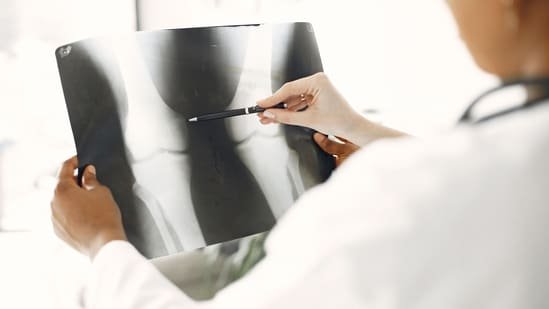
Pain in the bones is not a novelty when it comes to afflictions, especially among the aged. When people think of bone pain, they often attribute it to ageing, physical exhaustion, arthritis, or an old injury.
Also Read | Can vaping affect how the skin heals? Physician Dr Kunal Sood explains the link
In an interaction with HT Lifestyle, ortho oncologist Dr Nikhil Tandon pointed out that bone cancer rarely crosses our minds when one thinks of bone pain. However, while the condition is relatively uncommon, its rarity is also one of the reasons why it is diagnosed late.
“Patients ignore persistent symptoms until they start affecting their mobility or daily life,” shared the doctor. “According to the Indian Cancer Society, approximately 4,000 new cases of bone cancer are diagnosed every year in India.”
Bone cancer accounts for nearly five percent of all cancer cases across the world. While the numbers are low, early detection remains pivotal in influencing treatment and long-term survival of the patient, noted Dr Tandon.
What are the early symptoms of bone cancer?
The early symptoms of bone cancer is much similar to those of other orthopaedic diseases. These include:
- Constant ache in one specific bone
- Swelling of the joints
- Reduced mobility
- Fractures following minor injuries
Since the symptoms are commonplace, the seriousness of the situation often remains undetected for a long period.
As Dr Tandon noted, “Most often, the pain becomes severe and appears mostly at nighttime or does not ease with rest and medicine. Unfortunately, most people prefer self-medication or wait for the pain to reduce on its own.”
How to assist early detection of bone cancer?
While no lifestyle change can completely prevent bone cancer, certain habits can improve awareness and help identify warning signs, pointed out Dr Tandon. Three of them that he shared are presented as follows.
- Bone pain that lasts for several weeks without an obvious cause should not be ignored.
- Do not self-medicate. Persistent bone pain or swelling should always be evaluated through a clinical examination and appropriate imaging rather than assumptions based on internet searches or temporary symptom relief.
- Regular medical assessments and timely investigations can help detect abnormalities before they become incurable.
“Bone cancer may be rare, but it should never become a reason to ignore existing symptoms. To be able to identify the changes in your body, not postponing the diagnostic process is helpful. For bone cancer, early recognition remains one of the most effective tools in achieving successful recovery,” stated the ortho oncologist.
Note to readers: This article is for informational purposes only and not a substitute for professional medical advice. Always seek the advice of your doctor with any questions about a medical condition.
Dr Nikhil Tandon, MBBS, MS, DNB, is a consultant in the department of Orthopaedics Oncology at Yashoda Medicity. He is an orthopaedic surgeon with a specialised focus on the diagnosis and surgical management of bone and soft tissue tumours. He specialises in complex tumour resections, limb reconstruction, and multidisciplinary cancer management.


