






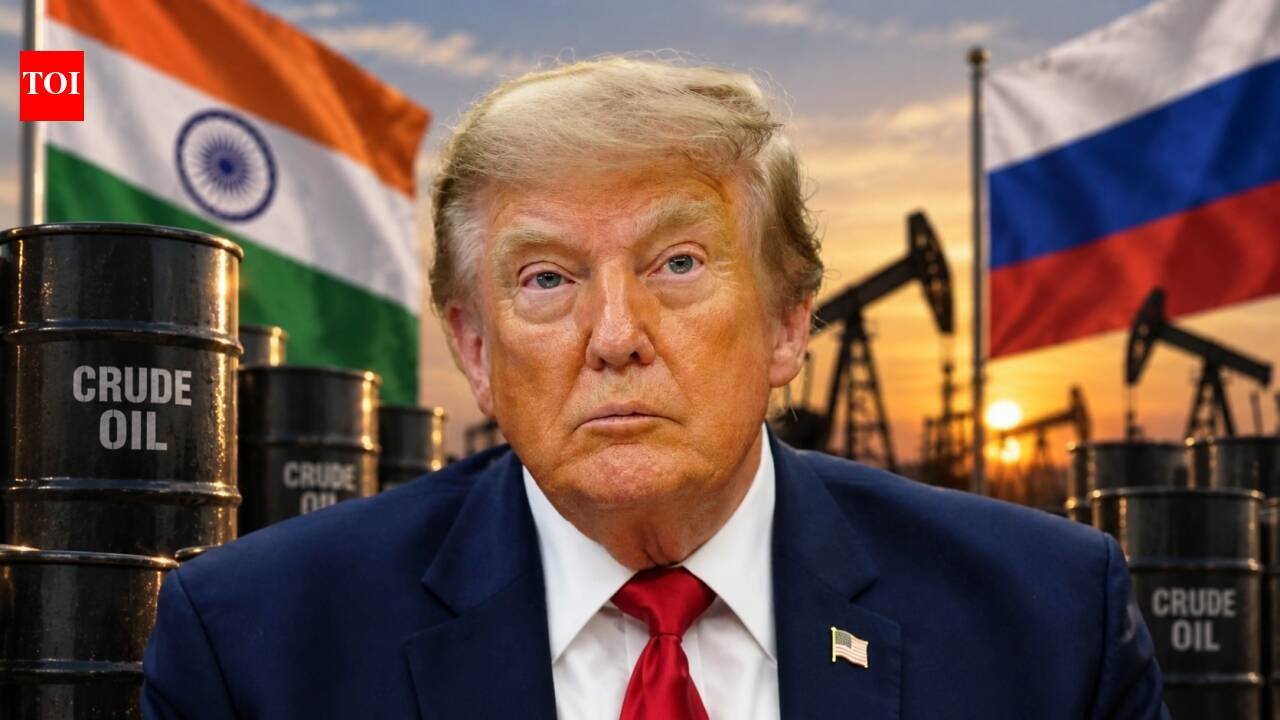
In what is being seen as a big relief for India and China, US President Donald Trump has waived sanctions, restrictions and duties provided for under the Sanctioning Russia and Iran Act, citing the national interest of the United States.The Lindsey O. Graham Sanctioning Russia and Iran Act of 2026 gave Trump the authority to impose broad sanctions on Russia and levy steep tariffs on major buyers of Russian oil and gas, including China and India.The legislation, principally backed in Congress by the late Senator Lindsey Graham, provided for tariffs of up to 100% within 30 days on goods entering the US from the five largest importers of Russian crude oil or gas. It also covered countries that knowingly purchased Russian oil or gas 30 days after the law’s enactment, as well as those among the top five countries helping Russia evade sanctions.Also Read | The return of Middle East oil: Has Iran lost control of Strait of Hormuz & why are crude prices still up?
What Trump announced
Trump announced the waiver just days before several provisions of the legislation were due to take effect. He had signed the bill into law in mid-September.“I am hereby waiving the application of such sanctions, restrictions, and duties provided for in the Graham Act,” Trump said in an executive order issued on Friday evening.In the order, Trump said he had submitted a certification to Congress stating that granting the waiver at this stage was in the US national interest.The executive order comes as Trump has adopted a warmer stance towards Russia while publicly criticising Ukrainian President Volodymyr Zelenskiy. He has even suggested that Ukraine needs a new leader.The proposed Russia sanctions had also raised concerns among countries that rely heavily on Russian oil imports. India, one of the largest buyers of Russian crude, was among the countries that expressed concerns about the legislation.
What it means for India
Russia continues to be the single largest supplier of oil for India. A waiver of tariffs of up to 100% which may have come into place in the coming days means that India can continue importing oil in large numbers from Moscow without any economic fallout.If 100% tariffs had been imposed by the Trump administration, then it would have hit exporters as the US is the largest trading partner for India. At the same time, any sanctions may have rendered Russian crude economically unviable which would have added to the supply crunch at a time when Middle East tensions continue.The Middle East is a big supplier of energy needs for India – crude oil, LPG and LNG. Shipments through the Strait of Hormuz have been hit, leading India to diversify its energy basket more aggressively.Russian oil has played a big role in India’s crude oil imports at this time, with numbers hitting record highs a few months ago.In fact, Russia gradually became India’s largest crude supplier since the start of Moscow’s war with Ukraine, when European sanctions prompted Russia to sell oil to India and China at deep discounts.Last year, Donald Trump imposed 25% penal tariffs on India for its crude oil purchases from Russia, taking the total tariff figure to 50%. India did not stop buying crude from Russia, but after the US imposed sanctions on two Russian oil majors, the imports started coming down.In February this year, announcing while lowering tariffs on India to 18% and removing the 25% penal tariffs, Trump claimed that India would stop buying oil from Russia. India never made any such statement, and before a clear trend on its crude purchases from Russia could emerge, the Middle East conflict erupted.In between, the US waived sanctions on Russian crude to lower global crude oil prices, but even with those waivers lapsing, India continued to procure from Russia to meet its energy needs.The Trump administration’s move to sign the sanctions bill last month was also hinted to have been weighing on the India-US trade deal talks. With sanctions now being waived off, some movement may also be seen on that front, especially with Commerce Minister Piyush Goyal recently hinting that a draft is almost ready.
Competing for oil with China
But even as the threat of tariffs related to Russian oil recedes, India may still have to compete aggressively with China for crude from Moscow.Indian refiners expect Russian crude supplies to become even tighter in October and November as exports decline and competition from China intensifies, reports suggest.Also Read | Beijing’s billion-barrel weapon: Why India must prepare for China-driven oil pricesThe shortfall is likely to push the world’s third-largest crude importer towards more expensive alternatives for the remainder of the year.In recent months, China, the world’s largest crude importer, has increased its purchases as the Iran war disrupted supplies from the Middle East.“Demand from China has been really high. They were willing to book cargoes in advance and to pay firmer prices compared to Indian refiners,” a source involved in the sale of Russian crude told Reuters recently.Though Kpler data from October suggests that oil supplies are recovering and for now are averaging above 2 million barrels per day.


