







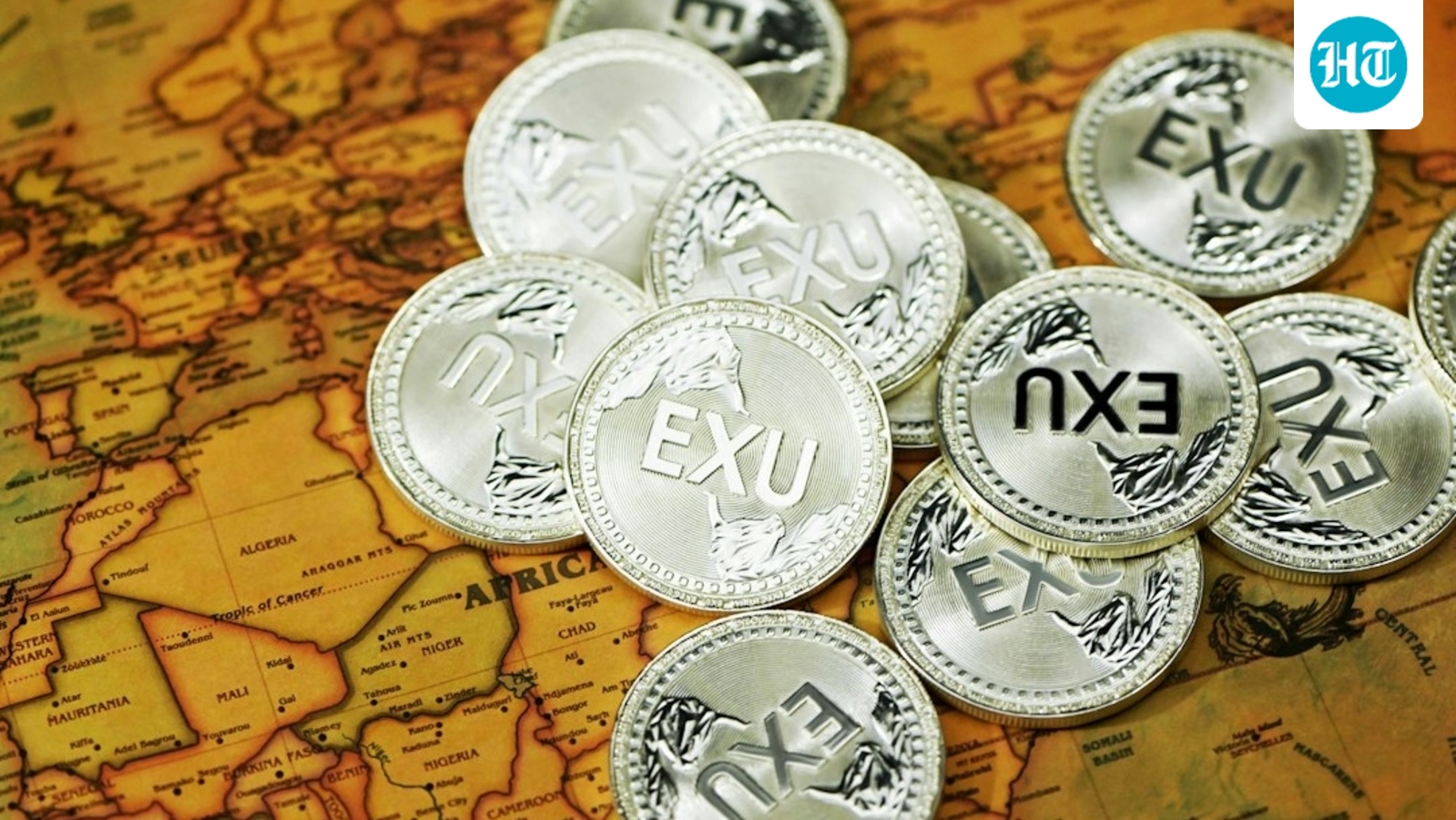
In the first century, Pliny the Elder complained that India, China and Arabia drained Rome of 100 million sesterces a year. He blamed luxury and women.

The trade-deficit column, it seems, is older than the newspaper.
But the more revealing document may not be his complaint, it is all the paperwork. The second-century Muziris Papyrus has records of financing and cargo calculations for trade between India’s southwestern coast and Roman Egypt, including a 25% customs levy. While Pliny lamented the outflow of wealth, the Roman tax collector had reasons to welcome the ships.
The distinction is vital. Trade is neither a national triumph nor a national surrender because someone announces a large number. What matters is how it changes the business of buying, selling and producing—and for whom.
The BRICS summit in New Delhi on September 12-13 added another set of ambitions to India’s expanding trade diplomacy. Its proposals on payments, small-business finance and customs cooperation deserve attention. But BRICS should face the same test as India’s agreements with Western partners – what becomes easier for an actual businesses?
Signed is not the same as shipped
The India-UK agreement took effect on July 15, 2026, granting eligible Indian goods duty-free entry into the UK across 99% of the product categories in the UK’s tariff schedule. India’s pact with the EFTA (European Free Trade Association) has also been in force since October 2025. These are changes at the border and not just promises at a summit.
By contrast, negotiations with the EU concluded in January, but the agreement is not yet in force. Signature and the necessary approvals in Europe and India are still required. Its tariff cuts are not yet available at the border.
The US story has shifted again. On September 18, Trump signed a Russia-sanctions law providing for additional tariffs of up to 100% on goods from certain major buyers of Russian oil or gas. India is among the major buyers, which could be affected if Trump chooses to levy the tariff. But passing the law is not the same as collecting the duty: its application, rates and possible exemptions still matter.
The legal distinction matters too. February’s US Supreme Court ruling rejected tariff powers claimed under an emergency law. This time, the US Congress has expressly authorised them, so that ruling may not by itself invalidate the new measure. Whether actions comply with US law and international trade rules remains a question.
For India, current US tariffs remain uncertain. The logic remains linking access to the American market to India’s energy purchasing choices. New Delhi has repeatedly warned Washington about its consequences on both bilateral ties and the international energy market. For businesses, trust becomes a practical question – can today’s market access be relied upon long enough to justify tomorrow’s investment?
None of this makes diplomacy worthless. But announcing access, securing access and using access are three different achievements.
Also read: ‘Now this is Xi’s world’: China’s trade engine roars on as Jinping heads to Trump summit
From a hub to a web
The old trading order has not disappeared: established markets and currencies remain powerful, even as trade policy becomes harder to predict. The dollar was on one side of 89.2% of foreign-exchange trades in the Bank for International Settlements’ April 2025 survey.
For a manufacturer deciding whether to buy machinery, for example, uncertainty is as good as an extra tax. A known duty can be built into a contract, whereas one that may change before the container arrives can delay the contract itself.
India therefore needs more choices, not a theatrical divorce from any major market. These choices should reduce dependence, not simply exchange one powerful partner for another.
Canada offers a parallel. It is pursuing closer ties with the EU and, on September 20, agreed to deepen cooperation with France in business, energy and technology. Prime Minister Mark Carney argues that stronger European relationships would make Canada more resilient and a better US partner, not an opponent.
BRICS’ payment agenda fits this logic. India’s BRICS Sherpa, Sudhakar Dalela, said there was no proposal for a common BRICS currency at present. The focus is on paying for trade in countries’ own currencies and making payments across borders. What matters is whether these options are affordable, reliable and practical for businesses, not simply whether they bypass the dollar.
The New Delhi Declaration also supports a trading system built around the World Trade Organisation, with an effective mechanism for resolving trade disputes. Its emphasis is on more dependable, shared rules, rather than replacing the existing order with a BRICS alternative.
India’s many trade deals do not add up to one big market. Each has its own rules on where a product must come from and how much of it must be made locally. A product assembled in India from imported parts may pass one deal’s test and fail another’s. The opportunity lies in the supply chain, not the address on the factory gate.
Being a connector must mean adding real value, not just changing labels. And selling to five countries is little protection if production still depends on one supplier, one shipping route or one payment channel. Reducing those risks means having alternatives at each stage, from buying supplies to receiving payment.
Also read: How a Restaurant at the Top of the World Trade Center Changed New York
Who can afford the paperwork?
Here is the less-celebrated twist: cutting import duties can make the other barriers matter more. Businesses still need proof of where goods were made, along with the required tests and certificates. The EU’s carbon border rules also require emissions reporting and add carbon-related costs to the imports they cover. A trade agreement does not remove these obligations.
Tough environmental and labour standards can serve legitimate purposes. But the costs of implementing them are spread unevenly. A large exporter can spread spending on specialists, testing and tracking across thousands of shipments, whereas a small firm has far fewer orders over which to recover these costs. Those overheads can therefore swallow the saving from lower tariffs. Access can appear on paper and unequal in practice.
A small exporter waiting to be paid for one shipment may be unable to finance the next.
BRICS addressed this by backing guidance on assessing small exporters for credit and welcoming a study of a scheme to provide cash against unpaid invoices. Such a scheme could help firms fulfil their next orders, but a study is not yet money in an exporter’s account.
Helping Indian firms export is only half the test. Opening India’s own domestic market also changes who gains and who loses. Cheaper imported machinery can improve factory productivity. But cheaper finished goods also squeeze competing local producers while offering end consumers more choice at better prices. The European Commission estimates annual duty savings of €4 billion for EU exporters. That figure does not show how the gains and losses will be shared within India.
The question is not simply whether imports rise. It is whether productivity, jobs and household purchasing power improve—and whether those who lose out have a realistic way to recover.
America’s “China shock” supplies a warning. In affected US communities, research found that wages remained depressed for at least a decade, as did the share of people working or looking for work. Gains for the country did not ensure that towns or workers recovered. Someone losing a factory job cannot pay this month’s rent with next decade’s GDP.
Agriculture is a special subject for all countries. India is the same – it employed 43% of India’s workers in 2025, according to the Periodic Labour Force Survey (PLFS). India has protected some farm products in the EU talks, but not the entire sector. Measures like permanently excluding a product from tariff cuts, reducing its duty over 10 years, and allowing limited imports at a lower duty offer varying levels of protection. Governments must watch for harm from imports and be ready to act within the rules to support domestic business. Protection, however, should buy time to raise yields and cut costs, not replace that effort.
The same level of diligence must apply to foreign investment. The India–EU investment treaty (still under negotiation) needs more debate (possibly a public one) on how its dispute resolution rules balance investor protection with India’s right to regulate. Openness means negotiating fair terms, not accepting them without question.
Count the users, not the signatures
Kautilya’s Arthashastra offers a more practical test. Officials considering foreign trade were to calculate what remained after tolls, transport, ferry charges and the merchants’ upkeep. The concern was not the headline value of commerce but whether the transaction actually paid.
At the BRICS Business Forum on September 11, PM Narendra Modi asked the Business Council for a report on removing the 10 biggest trade barriers among members, with progress to be reviewed annually. This is a useful starting point because the obstacles are inside the grouping, not just outside it.
Publishing that report would let businesses respond to its findings, but it should also identify who is responsible for removing each barrier and by when. Progress could then be judged by faster customs clearance, lower financing costs and fewer rejected shipments.
BRICS’ customs-cooperation plans need the same scrutiny: the declaration records progress towards an agreement, but signing still depends on each country’s own procedures.
The same approach could extend to every trade agreement. How much trade eligible for lower duties receives them, how many smaller firms participate, and what happens to jobs and wages in industries facing import competition should be public knowledge. An unused tariff cut is a missed opportunity, but export growth confined to established exporters is a narrower achievement than the headline suggests.
Making these opportunities usable also requires practical help after the negotiations end. Teams working with local groups of exporters could help firms arrange affordable testing, obtain accepted certificates and understand how to prove where their goods were made. They could also help firms secure finance for orders and resolve disputes more quickly. State governments would need to be involved because their decisions affect factories, training centres and much of the supporting infrastructure.
Agreements must include support beyond exporters to workers who lose jobs as markets open to imports. Funding for them should be part of the plan from the outset, since retraining without realistic job prospects risks becoming disguised unemployment. Alongside this work at home, negotiators should seek simpler procedures and the acceptance of Indian product test results abroad. Where standards serve legitimate purposes, firms need help meeting them; where evidence shows that they merely shield producers from competition, India should challenge them—whether they come from Brussels, Washington or a BRICS partner.
This is not an argument for waiting until India is perfectly ready. That would be a sophisticated way of never trading. It is an argument for building the capability to use agreements as energetically as we pursue them.
The merchant behind the Muziris Papyrus needed more than favourable winds. He needed finance, a workable contract and cargo that could clear customs. The list has not changed.
A world searching for alternatives has given India an opening. Domestic delays can still waste it. So, judge India’s trade strategy by whether the garment exporter in Tiruppur, the shrimp farmer in Nellore and the machine-tool maker in Rajkot gain reliable orders, better margins and a choice of customers.
Deals are announced in capitals. They are proven at the customs counter—and justified by what happens beyond it.
(The views expressed in this article are personal)


