





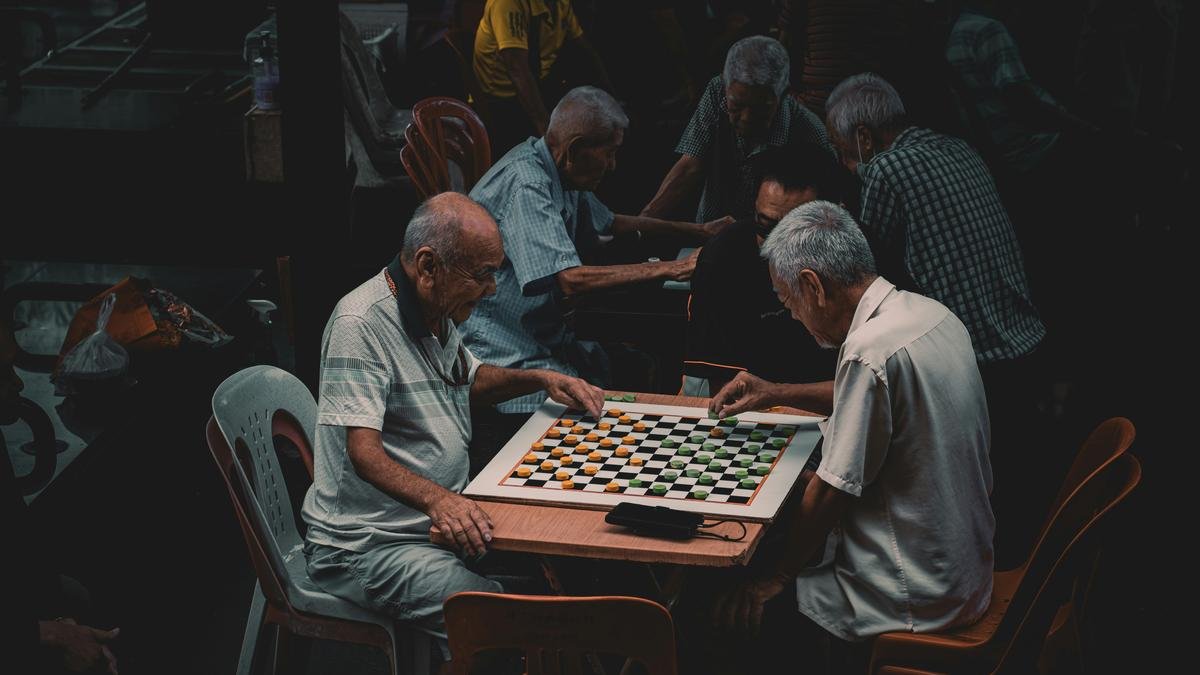
By building cognitive reserve and preserving functional independence, lifelong curiosity vitality to your years.
| Photo Credit: Kush Dwivedi/Unsplash
It is estimated that in India on an average day, about 19,500 people celebrate their 60th birthday. The size of India’s population aged 60 and above is expected to surpass the population aged 0-14 years by 2046.
Accompanying this ‘silver tsunami’ is the dizzying pace of new technologies, which go from being useful to becoming indispensable. And there is so much more available for you to learn. Learning, before 60 or long after, is no longer about stepping out of retirement. It is a lifelong process that can keep us connected, sharp, and thriving.
In India, learning in the later years of life has largely been focused on imparting basic skills to the rural elderly, who have not benefitted from formal education. But this is transitioning towards lifelong learning for educated seniors and requires an eager willingness and discipline.
Adding vitality
A narrow view of life is that you study when you are young, work for four decades, and then retire. Viewed this way, learning is merely training for a job — important when you are working but not in later years. However, learning is also about enriching our lives, and in the process keeping cognitive decline at bay. Thus, wanting to learn goes beyond workplace requirements. It adds enthusiasm and reduces anxieties and loneliness.
When you compare 80-year-olds, women outnumber men by a ratio of 5:3. But late-life learning presents unique hurdles for women, who are more likely to be financially dependent and have more ongoing caregiving responsibilities. To balance these demands, women learners often thrive on flexible, bite-sized learning formats.
Extending life without preserving health is not a worthwhile gain. In India, healthy life expectancy at birth lags behind overall life expectancy by nearly 11 years, meaning the average Indian spends their final decade battling chronic illness. Continuous learning offers a remarkably effective buffer against this decline. By building cognitive reserve and preserving functional independence, lifelong curiosity doesn’t just add years to your life. It adds vitality to your years.
Real-life learning
Just as going to the gym builds physical stamina to comfortably climb extra flights of stairs when needed, cognitive reserve builds a functional safety net — a form of reserve strength you can draw on when needed. Cognitive reserve allows you to cope with the inevitable age-related damage to the brain. The neuronal connections made during learning new things help keep your brain functionally robust in attributes such as memory and conversational skills, even when your brain deteriorates to the same extent as a person with dementia.
Staying curious in our later years also results in improved health literacy. We rarely worry about good nutritional choices or how much to sleep when we are young. Acquiring such practical knowledge, along with reduced stress and greater mental well-being, helps us live healthier, longer lives.
The scope of learning can extend beyond courses to hands-on workshops and even travel. Online communities abound in this field. ‘GetSetUp India’ is one such example. You can practice skills such as creative writing, classical music or cooking, with the enthusiastic support of others.
But then, quality of life thrives on human interaction, and real-life shared learning can be invaluable. Whether through university weekend programmes, community workshops or like-minded groups, find something that sparks your wonder today — even a new language — and never stop asking questions.
The article was written in collaboration with Sushil Chandani, who works in molecular modelling.
sushilchandani@gmail.comdbala@lvpei.org
Published – August 07, 2026 09:00 am IST


