



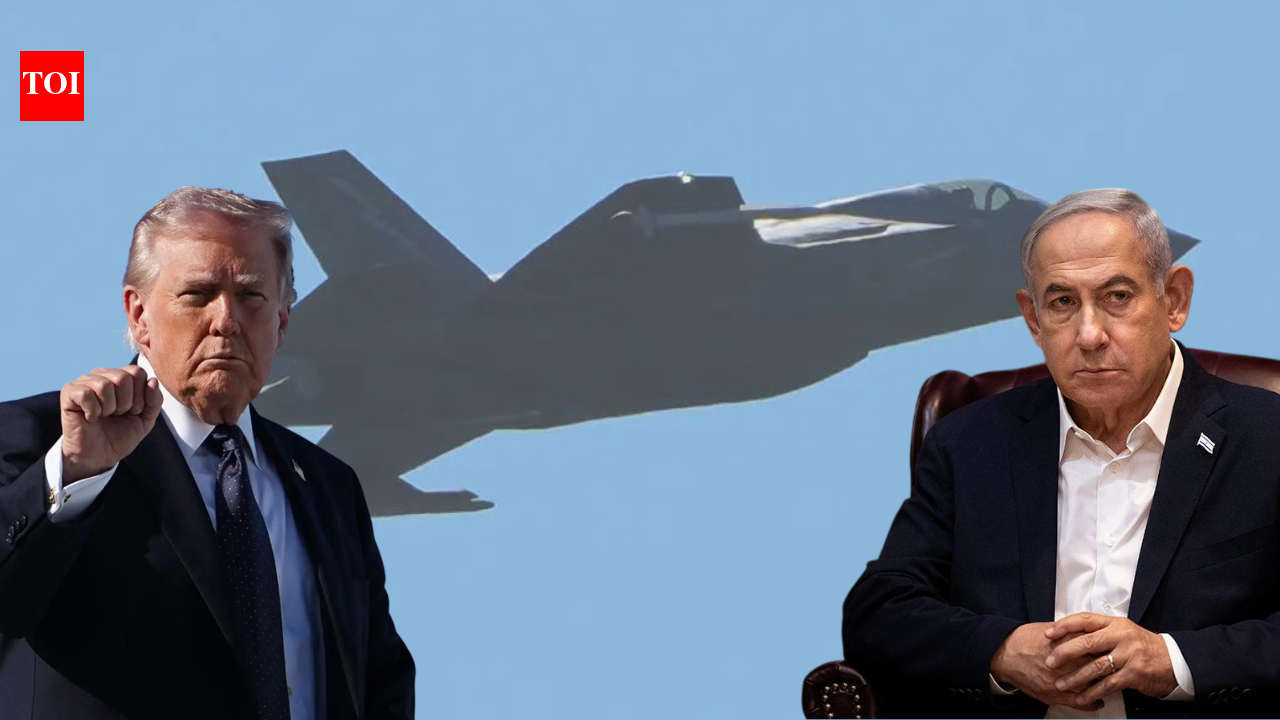
Nearly three weeks after the United States and Israel launched sweeping strikes on Iran, the conflict that began with a dramatic military success is entering a far more uncertain phase. The killing of Iran’s supreme leader Ali Khamenei and a series of attacks on key military sites were expected to cripple Tehran’s leadership. Instead, Iran has absorbed the blow, reorganised its command structure and continued striking back across the region.The US-Israeli campaign, launched under what the administration calls Operation Epic Fury, targeted Iran’s military leadership, missile facilities and strategic infrastructure. While the strikes decapitated parts of Tehran’s leadership structure, they have not toppled the Iranian government. Instead, Iran has reorganised quickly, using decentralised command structures and what analysts describe as a “mosaic defence” doctrine designed to survive leadership losses.
Two weeks of intense air strikes have now drawn the entire region and the global economy into the conflict. Iran has continued missile and drone attacks on Israel and US-aligned Gulf states, while effectively choking maritime traffic through the Strait of Hormuz, a critical passage for roughly a fifth of the world’s traded oil. Oil prices have surged, commercial shipping has slowed dramatically and Washington now faces mounting pressure to stabilise the region.For Trump, the war has created a difficult strategic moment: militarily dominant, yet politically constrained, with no clear path to a decisive end.
A war without a clear end
The first phase of the war appeared to deliver a decisive blow to Tehran. Intelligence operations and coordinated air strikes killed Khamenei and dozens of senior officials in attacks that took years of planning. Yet history suggests such decapitation strategies rarely succeed in state-to-state warfare.Iran’s government quickly installed a new leadership structure and shifted to a strategy focused on survival, retaliation and prolonging the conflict. Analysts say this approach allows Tehran to keep pressure on Washington while avoiding outright collapse.
Iran’s response has included:
- Missile and drone strikes across the region, targeting Israel, Gulf states and US-aligned infrastructure.
- Pressure on global energy markets, including threats against oil tankers moving through the Strait of Hormuz.
- Proxy escalation, particularly through Iran-backed groups such as Hezbollah in Lebanon.
- The conflict has already expanded beyond Iran itself. In Lebanon, Israeli strikes on Hezbollah positions have deepened a humanitarian crisis, leaving hundreds dead and displacing hundreds of thousands.
Meanwhile, oil-importing countries from the United States to Bangladesh have released emergency reserves to contain price spikes as maritime traffic through the Persian Gulf slows.Rising military pressure and risksEven as the conflict spreads, Washington has continued to escalate militarily. The United States recently struck targets on Iran’s Kharg Island, a strategic hub in the country’s oil export network.Trump said US forces had “obliterated” military sites on the island while deliberately avoiding its oil infrastructure for now. He warned that if Iran interferes with shipping in the Strait of Hormuz, the United States could move to destroy the country’s energy facilities entirely.Iranian officials responded with stark warnings of retaliation. Tehran’s military command said it could target oil and energy infrastructure across the region belonging to companies linked to the United States.The Pentagon has also reinforced American forces in the region:
- 2,500 additional Marines from the 31st Marine Expeditionary Unit have been ordered to the Middle East.
- The amphibious assault ship USS Tripoli is sailing toward the region from the Pacific.
- A US naval presence already includes 12 ships in the Arabian Sea, led by the aircraft carrier USS Abraham Lincoln.
- Officials say the deployments do not necessarily indicate an imminent ground invasion. Marine expeditionary units are often used for embassy security, evacuations and crisis response.
Still, the growing military build-up reflects Washington’s concern that the conflict could expand further.Trump’s shrinking list of optionsAs the war drags on, the White House faces increasingly difficult choices. Trump has alternated between maximalist rhetoric calling for Iran’s “unconditional surrender” and narrower military objectives focused on destroying missile capabilities and naval forces.For now, several possible paths remain:
- Escalation: expanding the campaign to destroy Iran’s oil infrastructure or deploy ground forces.
- Limited victory: declaring success after degrading Iran’s missile and naval capabilities.
- Economic pressure: relying on sanctions and energy market manoeuvres to weaken Tehran.
- Indirect conflict: supporting Iranian opposition groups or regional proxies against the regime.
Each option carries risks. Escalation could trigger a wider regional war, while a limited victory may allow Iran to claim it survived the assault and continue threatening global shipping routes.At home, the political stakes are rising as well. Rising oil prices threaten to fuel inflation in the United States just as congressional elections approach, creating pressure on the administration to stabilise the energy market.For now, neither side appears ready to step back. Iran has signalled it will continue using its leverage over global oil supply, while Washington insists its campaign will continue until Tehran’s military capabilities are destroyed.(With inputs from AFP)


