






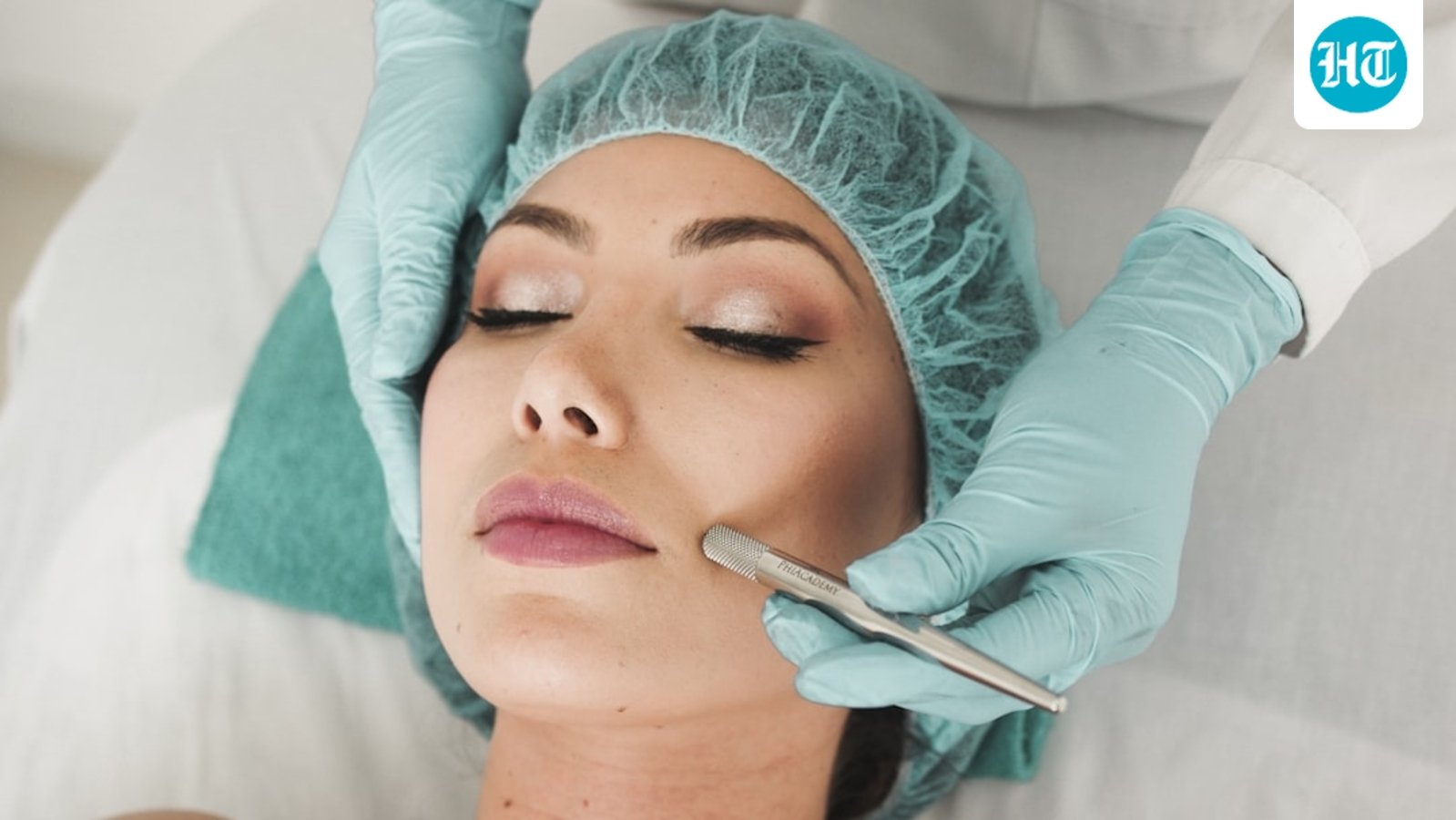
Aesthetic treatments are no longer whispered about. From collagen-boosting facials to advanced injectables, more Indians than ever are walking into clinics seeking science-backed anti-ageing solutions. But with the boom has come a flood of underqualified providers, viral trends, and quick-fix promises, and the difference between a good outcome and a lasting regret often comes down to what a patient asks before saying yes. In an interview with HT Lifestyle, Dr Aisshwarya Panddit, founder of NOVEA Aesthetic and Regenerative Clinic (by AuraEdge Wellness Pvt Ltd), shares the nine questions she believes everyone should ask before choosing any aesthetic treatment.
Also read | Dermatologist shares skincare tips to protect your skin from India’s sudden weather shifts
1. Who is actually performing my treatment, and what are their qualifications?
Aesthetic medicine is medicine first. “Ask for the practitioner’s medical qualifications and specific training in the procedure you are considering. A certificate from a weekend workshop is not the same as years of anatomical training,” said Dr Panddit, who advocates strongly for medical credibility in beauty and wellness.
2. Have you examined my face, or are you selling me a package?
According to Dr Panddit, a credible consultation begins with detailed facial mapping and a respect for individual anatomy, not a rate card. Precision-led treatment means the plan is built for your skin, your structure, and your stage of life. If someone recommends a treatment before properly examining you, that is a red flag.
3. Why this treatment, and why now?
Every procedure should have a clear clinical rationale. Patients should understand whether the goal is prevention, correction, or maintenance. “Preventive aesthetic care and skin longevity are about intervening early and gently, supporting collagen preservation rather than chasing dramatic correction later,” explained Dr Panddit.
4. What exactly will this do, and what will it not do?
Realistic expectations are half the outcome. A responsible practitioner will explain the limits of a treatment as clearly as its benefits. The goal of modern regenerative aesthetics is to work with the body’s own biology, supporting cell regeneration and natural rejuvenation, so you look rested, not done.
5. What are the risks, and how are complications handled?
Every medical procedure carries risk, and patients have the right to know them upfront. Ask what side effects are possible, how often they occur, and crucially, whether the clinic is medically equipped to manage a complication if one arises.
6. What product or technology are you using, and is it approved?
Patients should ask for the brand of the injectable, device, or biostimulator being used and confirm it is approved for use in India. Informed consent means knowing exactly what is going into your skin or being used on it. A doctor who welcomes that question is a doctor you can trust.
7. What does my recovery and follow-up look like?
Good aesthetic care does not end when the session does. Ask about downtime, aftercare, and the follow-up schedule. Treatments like biostimulators and collagen regeneration work gradually, so understanding the timeline prevents both panic and disappointment.
8. What happens if I do nothing?
It sounds counterintuitive, but Dr Panddit calls this one of the most revealing questions. “A practitioner with genuine integrity will sometimes tell you that you do not need a treatment yet, and that skin barrier health, inflammation control, and lifestyle changes will serve you better. The willingness to say no is the strongest sign of an ethics-first clinic,” added Dr Panddit.
9. Will I still look like myself?
Perhaps the most important question of all. The best outcomes in facial harmonisation are the ones nobody can point to. “Aesthetic medicine should never erase identity. The future of this field is regenerative, personalised and restrained, helping people look like themselves for longer, not like someone else,” said Dr Panddit.
Note to readers: This article is for informational purposes only and not a substitute for professional medical advice. Always seek the advice of your doctor with any questions about a medical condition.


