



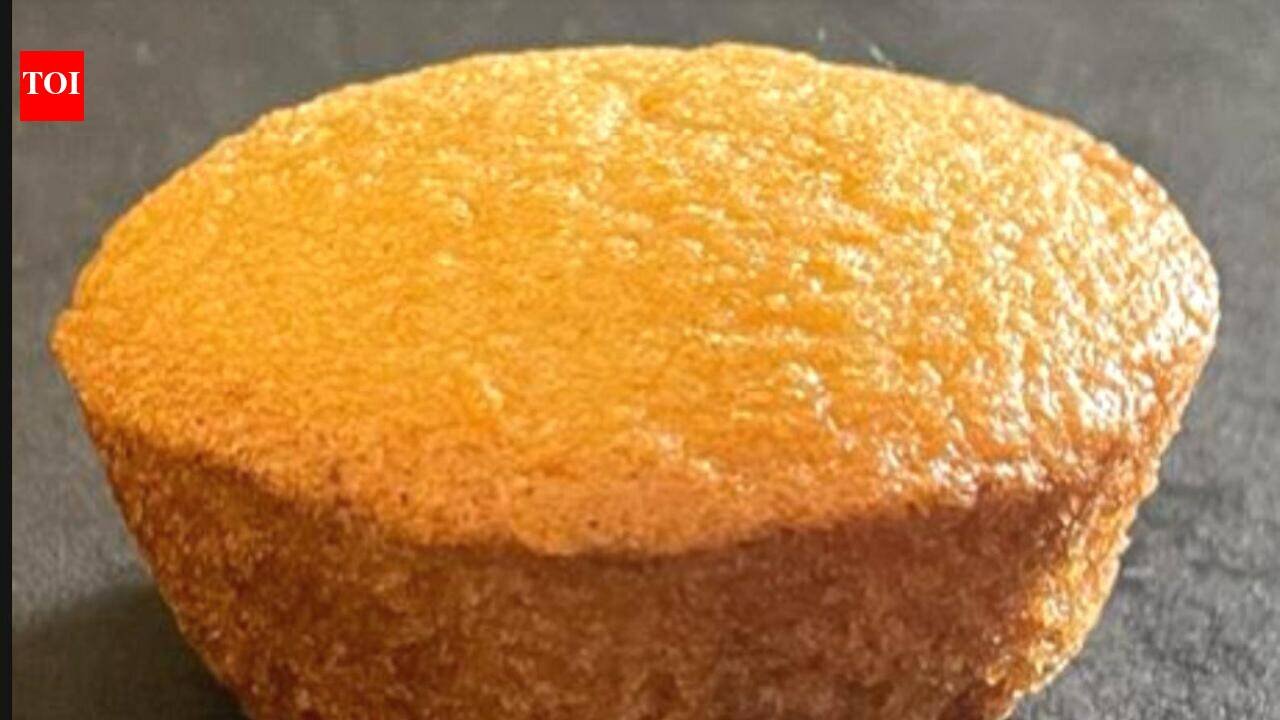
Ludhiana: Scientists at the department of food science and technology, Punjab Agricultural University (PAU), have developed processing technologies and consumer-friendly food products that utilise almost every part of the moringa tree—commonly known as Sohanjna in Punjab—to reduce food waste and enhance public nutrition.Widely recognised as a “miracle tree,” moringa is fast-growing, drought-tolerant, and exceptionally rich in protein, vitamins, minerals, and antioxidants across its leaves, flowers, seeds, kernels, and pods. However, household consumption has historically been restricted primarily to its leaves, leaving nutrient-dense seeds, kernels, and post-oil extraction seed cake largely unutilised.To address the natural bitterness of moringa kernels that prevents direct consumption, PAU researchers standardised a de-bittering process. The processed kernels are ground into moringa flour to prepare consumer items such as cheela mix, muffins, and cookies.Additionally, the team repurposed seed cake—the nutrient-rich residue remaining after oil extraction—by incorporating it into chapatis, muffins, and cookies to prevent wastage. Beyond leaf powder, the department also developed leaf-enriched recipes for pizza bases, pancakes, and matri, alongside a healthy mayonnaise variant produced using moringa oil, which possesses a nutritional profile similar to olive oil.Speaking about the initiative, food technologist at the department Dr Jagbir Rehal said, “The kernels, seeds and beans are also nutritionally rich, with the kernels being a good source of protein. We have developed technologies that enable these parts to be used effectively instead of allowing them to go to waste.”Highlighting the balance between nutrition and palatability, Dr Rehal said, “No matter how nutritious a product is, people will not consume it if it is not tasty. Therefore, our first priority is to ensure excellent taste while enriching products with moringa.”She added that developing baked goods like muffins involves rigorous standardisation—evaluating factors such as moringa flour ratios, rise, sponginess, shelf life, nutritional retention, and sensory acceptability before final formulation. Researchers confirmed that appropriate quantities of Sohanjna powder significantly improve both the nutritional value and flavour profile of everyday foods.


