






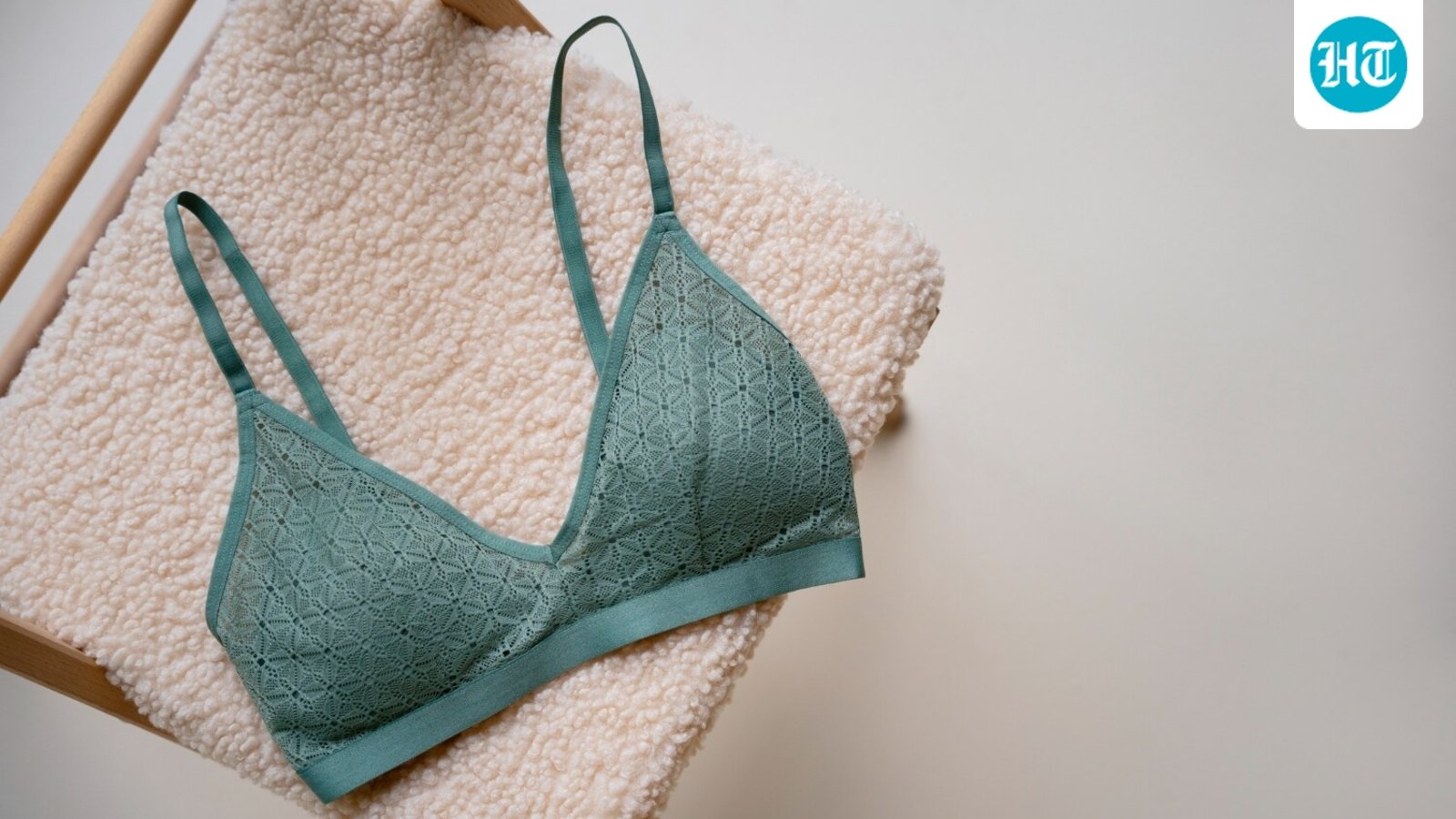
A bra is a basic necessity in a woman’s wardrobe. It provides essential support, improves comfort, and allows greater ease of movement throughout the day. Despite wearing one day regularly, many women may unknowingly be choosing the wrong size or style for their bodies. A bra is not a one-size-fits-all garment. It comes in several sizes, shapes, fabrics, and designs, each catering to different body types, outfits, and daily needs. So, how can you know if your bra fits you correctly, or has it been silently making you uncomfortable?
ALSO READ: Want to wear pearls every day? 5 ways to style them with jeans, kurtas and casual outfits
An expert weighed in on the common innerwear mistakes many women make. Bhavesh Trevadia, director at Juliet Apparels, shared insights into the signs of an ill-fitting bra and how to find the right size and style for different needs.
Why do women wear the wrong bra size?
Bhavesh revealed an alarming observation that many women continue wearing the wrong bra size without realising. Sharing the reasons behind, he said, “Some wear the same size for years despite weight changes, pregnancy, hormonal shifts, or ageing, while others focus only on the band size and overlook the cup size. Limited access to professional bra-fitting services, prioritising style or price over comfort and support, and not knowing how a well-fitted bra should feel may also contribute to the problem.”
This means women should reassess both their band and cup measurements periodically instead of treating their bra size as permanent.
What are the bra-shopping mistakes that can compromise fit and support?
A poorly fitted bra goes beyond concerns about appearance, as it can also affect your comfort, movement, and posture. Here are some common mistakes Bhavesh highlighted:
- Choosing a band that is too loose because it feels softer at first.
- Picking a smaller cup size to create a tighter fit.
- Not adjusting the shoulder straps correctly.
- Using stretched-out or worn bras long after they have lost support.
What are the signs that you are wearing the wrong bra?
Next, if certain fitting issues occur regularly, it may signal that the size, shape, or style of your bra needs to be changed. Bhavesh listed the following signs to watch out for:
- Shoulder straps slip off or dig into the skin.
- The back band rides up instead of staying level.
- Breast tissue spills over the top or sides of the cups.
- Cups wrinkle, gape, or do not sit smoothly.
- The centre front panel does not lie flat against the chest.
- Underwire pokes, pinches, or rests on the breast.
- The bra needs constant adjusting during the day.
- Red marks, discomfort, or pain appear after a few hours of wear.
How to measure your bra size at home?
You don’t always require a professional fitting, as bra size can also be checked right at home. All you need is a measuring tape. The expert, however, reminded that sizing can vary from brand to brand, so ensure you check the bra’s size chart before buying. Here’s a step-by-step guide from the expert on how to check:
Step 1: Measure the band size
- Wear a non-padded bra or no bra.
- Wrap a measuring tape snugly around the rib cage, just below the bust.
- Make sure the tape stays straight and level all the way around.
- Note the measurement in inches.
Step 2: Measure the bust
- Measure around the fullest part of the bust.
- Keep the tape comfortably loose and parallel to the floor.
- Record the measurement.
Step 3: Calculate the cup size
- The difference between the bust and band measurements helps determine the cup size.
What are the signs of a well-fitted bra?
How can you tell whether your measurements are accurate? Your bra should fit securely and provide adequate support without causing discomfort. Bhavesh listed the following signs of a well-fitted bra:
- Sit securely around the rib cage without making breathing uncomfortable.
- Stay straight across the back.
- Fully contain the breast without spillage or empty space.
- Have the centre panel lying flat against the chest.
- Provide most of the support through the band, not just the straps.
- Feel comfortable for long hours without frequent readjustment.
How to choose a bra for different occasions and needs?
A bra is also occasion-based. Every type of weather, occasion, and outfit requires different innerwear in terms of construction, support, and fabric. This means that innerwear is closely associated with purpose. Bhavesh confirmed this and added that different activities and needs, from exercise and occasion wear to maternity and sleep, require different types of support.
Here are some of the fabrics Bhavesh recommended that are best suited to different needs:
1. For daily wear
- Cotton or cotton-rich blends.
- Soft, breathable, and comfortable for long hours.
2. For hot and humid weather
- Moisture-wicking fabrics with breathable construction.
- Help manage sweat and improve all-day comfort.
3. For workouts
- Performance fabrics such as polyester-spandex blends with moisture control.
- Offer better support, reduce movement, and dry quickly.
4. For sensitive skin
- Soft cotton fabrics with minimal seams and tag-free finishes.
- Avoid rough lace or abrasive trims if irritation is a concern.
5. For special occasions
- Smooth microfiber fabrics that create a seamless look under fitted clothing.
In the end, the expert’s parting advice is that women should reassess their bra size every 6–12 months or whenever their bodies undergo significant changes, such as pregnancy, breastfeeding, menopause, or weight changes.


