



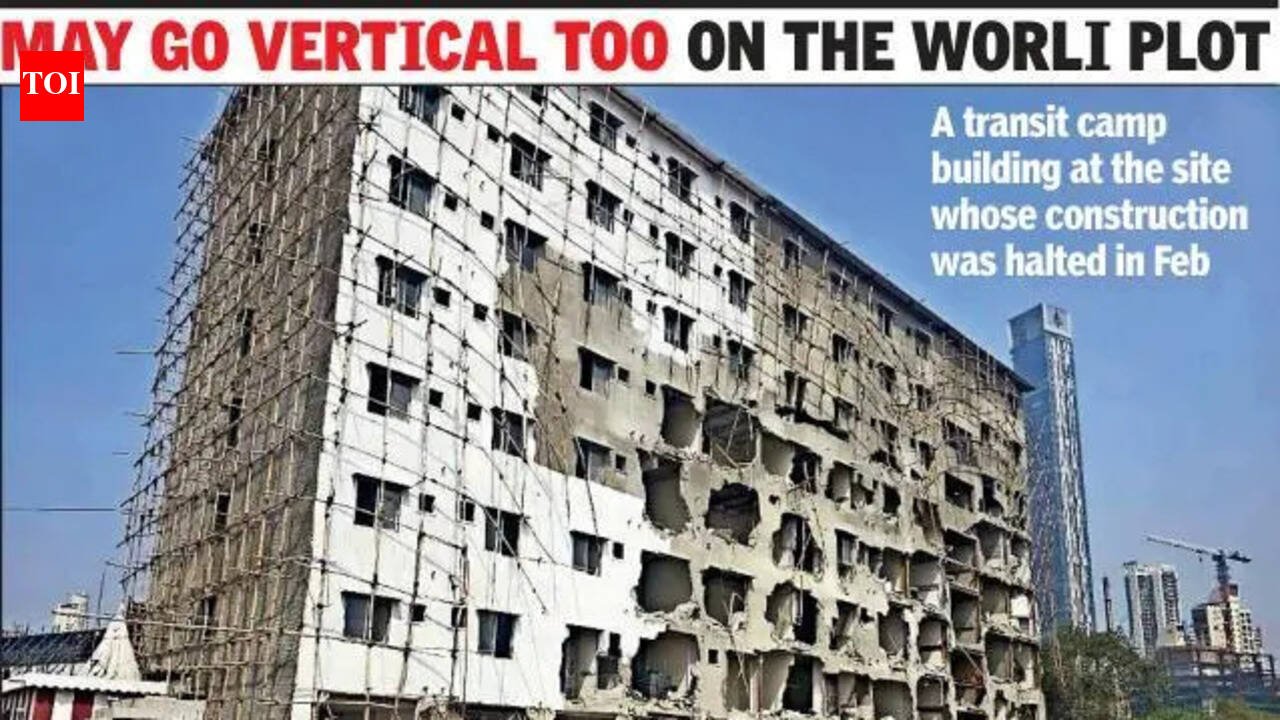
Mumbai: Days after Bombay high court sought to know the reason for the change in stand after BMC said it wants the entire 27,698sqm plot, instead of 17,756sqm it had earlier demanded, for expansion of the sewage treatment plant (STP) in Worli, civic officials said at a high-level meeting on Thursday that rapid development as well as redevelopment in Worli and adjoining areas have significantly increased sewage load, necessitating restoration of the full reservation.The civic body is set to file an affidavit before the court reflecting this position next week. The meeting was chaired by BMC commissioner Ashwini Bhide. A civic official said a fresh reassessment indicates that the requirement could rise to nearly 29,000sqm. However, with land constraints, BMC may be forced to opt for vertical construction for parts of the facility. “We had already conveyed to the court the requirement for the entire reserved plot but shall also be filing an affidavit with regard to it,” said an official, adding that there’s not just setting up of the STP that needs space but also area for operation, movement of vehicles and maintenance of the facility. “We had two rounds of discussion on this on Thursday and have decided that the civic body needs the entire reserved plot,” said the official. Officials said with two rounds of intense deliberations being held, the civic body is now preparing to formally press for restoration of the full plot to meet future infrastructure demands. In Feb, BMC issued a stop-work notice to a transit camp built by a private developer in Worli after finding that the structure had come up on BMC land earmarked for the STP’s expansion. Officials said two of the seven-storey structures at the site were constructed without mandatory permissions. That same month, HC halted further construction of transit buildings on the plot, tightening scrutiny over the use of reserved land. Civic officials said the construction was particularly alarming as two major municipal sewer lines pass through the site. They said preliminary findings indicated that construction activity by the implementing agency had already disturbed sewerage flow, raising concerns of flooding and infrastructure failure, especially with the monsoon approaching.


