






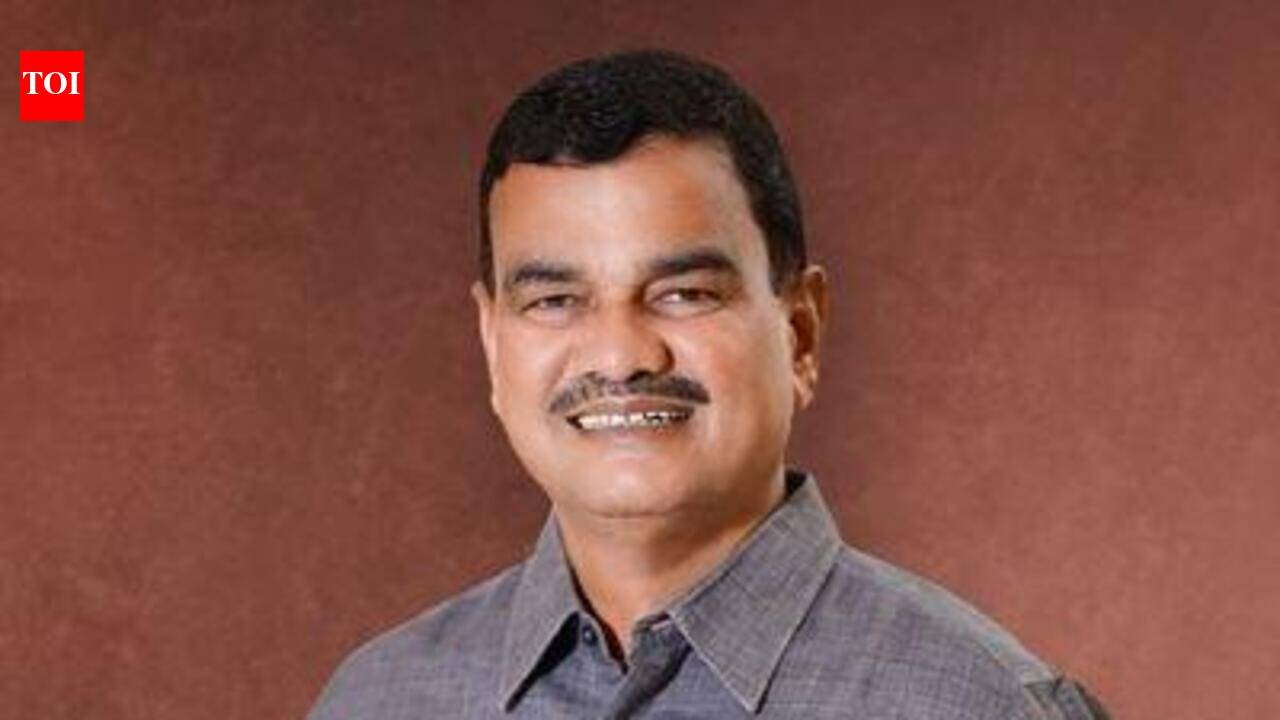
Pune: State agriculture minister Dattatray Bharne on Thursday said govt intends to release relief to farmers in drought-affected tehsils before Diwali, adding that on-field officials have been told to complete the panchnama process on a war footing.State govt declared a drought in 265 tehsils across the state on Sept 26. The state has also formed a cabinet sub-committee on drought, which has recommended including more tehsils in the drought-affected areas. Speaking on the issue, Bharne said, “The cabinet meeting decided to include some more tehsils in the drought-affected areas. We have told the officials concerned to initiate the process of panchnama in those tehsils also. Our aim is to release the compensation before Diwali.”The opposition has been demanding that the state govt do away with the panchnama process and give blanket relief to all farmers in the state. However, Mahayuti members said that the panchnama report is an important document based on which relief can be provided to the affected farmers.State revenue minister Chandrashekhar Bawankule, who also heads the cabinet sub-committee on drought, said he will be visiting five to six districts to ensure that the panchnama process is being done diligently. He said, “If the panchnama is carried out in detail, it will be easier to provide relief to farmers on the basis of that document. The process is conducted jointly by officials from the revenue, agriculture and rural development departments. The administration has been told to ensure that the officials concerned remain present at the village level and ensure that the panchnama is done with due diligence.”Bawankule also said no affected farmer will be deprived of the drought relief package. He said, “There are some 15–20 villages which remained out of trigger 1 (state’s drought management code), but the sub-committee has already recommended that the chief minister include them in the drought-affected areas. The chief minister will take a positive decision, and we will ensure that at least some relief is provided to the affected farmers before Diwali.”


