



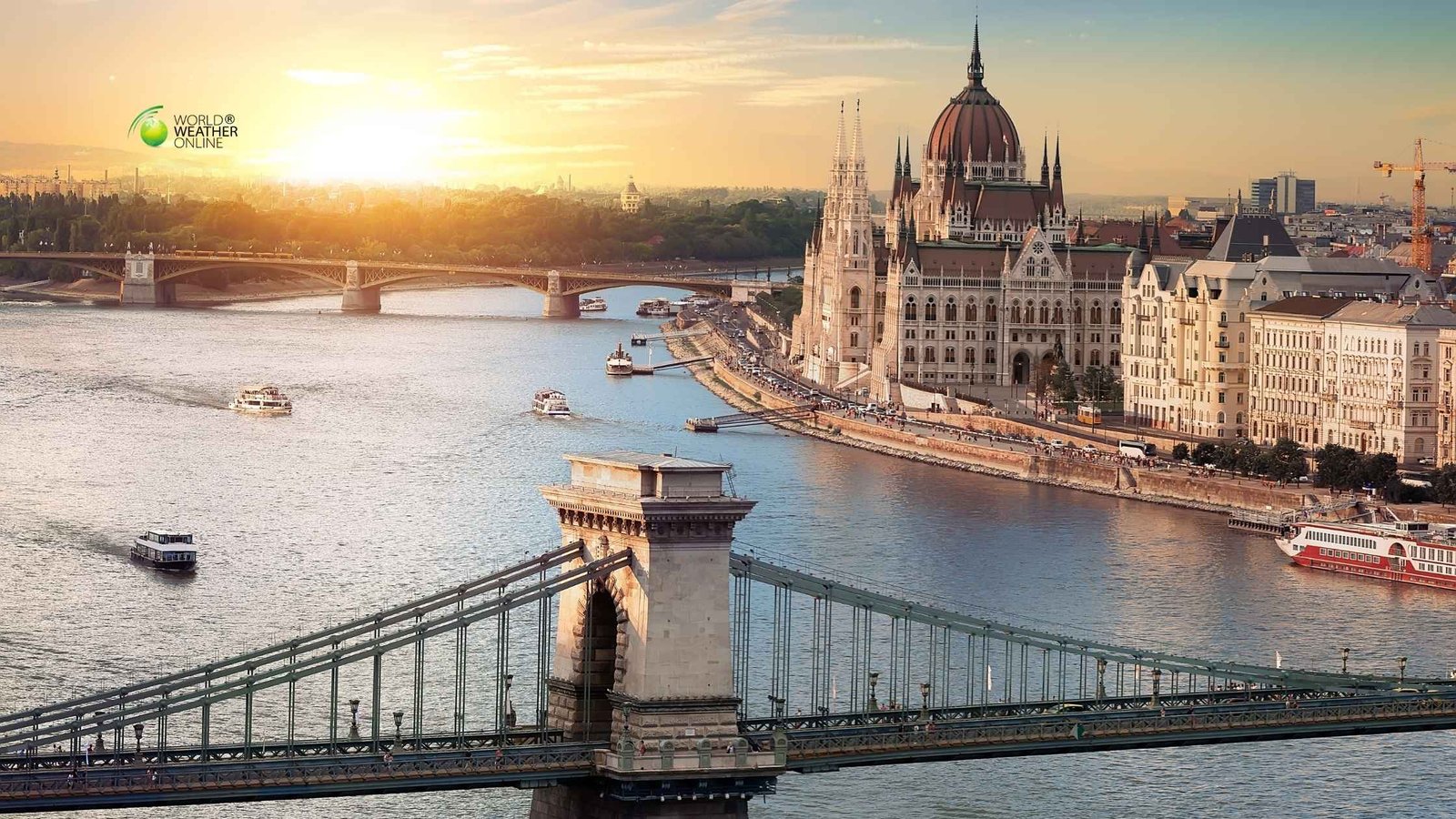
Europe’s heatwave is no longer only a story about thermometers. Its effects are clearly visible beneath bridges, beside stranded barges, and at power stations short of cooling water. Britain has endured another burst of exceptional heat, while the Danube has fallen to historic lows. Together, they show how warmth and missing rainfall can become a continental water crisis.
Britain’s Heat Reached Another Remarkable Peak
Unprecedentedly, Kew Gardens in London provisionally reached 38.1°C on August 13. It proved to be the United Kingdom’s hottest temperature of 2026 and its fifth-highest on record. Pershore also recorded 38°C, while 40 locations across central and southern England reached at least 36°C.
Moreover, frequency made these figures more troubling. The weather analysts counted four days at or above 36°C and three at or above 37°C, both of which were annual records. Rain returned after the peak, but a few wet days cannot immediately restore depleted soil, reservoirs or catchments. Drought reflects an accumulated rainfall deficit, not one hot afternoon.
The Heat Dome Fed on Dry Ground
Persistent high pressure repeatedly blocked cooler Atlantic weather over western Europe. Clear skies warmed the land, while dry soil strengthened the pattern. Moist ground uses solar energy to evaporate water. Once that moisture disappears, more energy heats the surface and air.
This heat–drought feedback helped successive hot spells bite harder. Western Europe’s June–July average was 21.62°C, or 2.79°C above the 1991–2020 norm—the hottest such period in the dataset. England, Wales and parts of western Germany also recorded exceptionally low rainfall.
The Danube Became Europe’s Water Gauge
The famous river Danube passes through or borders ten countries. It moves grain and fuel, irrigates farms, supports tourism and supplies water for electricity generation. When its flow weakens, losses travel beyond the riverbank.
Unfortunately, at the river’s entry into Romania, flow fell to about 1,700 cubic metres per second, against a normal July range near 4,700. These are the lowest levels since 1996. Sandbanks widened, ferries stopped, and grain barges waited near unusable ports. Old wrecks and wartime hazards emerged as a major transport artery lost much of its working depth.
A River Too Low to Cool Power Stations
The most extraordinary scene appeared at Hungary’s Paks nuclear plant. It normally supplies nearly half of national electricity, yet drought reduced it to roughly 25% of capacity. Authorities moved to sink two 80-metre barges near its intake, lifting the water temporarily while a riverbed sill was built.
Additionally, Romania had already shut its last operating reactor because the Danube could not provide sufficient cooling water. Serbia’s Djerdap 1 hydropower station fell to around 20% of capacity, while France reduced nuclear output where rivers became too shallow or warm.
So, the contradiction is severe since the demand for cooling rises during a heatwave precisely when drought removes electricity generation from the grid.
Shallow Rivers Make Heavy Cargo Expensive
A barge must sit higher in shallow water, so it carries less cargo. Moving the same quantity requires more journeys, while some freight shifts to costlier roads and railways.
The effects spread quickly:
- Farmers lose irrigation water while maize and sunflower crops pass through heat-sensitive growth stages.
- River ports lose trade when loaded vessels cannot safely reach their berths.
- Tour operators cancel sailings or transfer passengers around impassable sections.
Low water can therefore reappear in food prices, electricity bills, factory output, and almost everywhere.
Hot Rivers Become Stressed Ecosystems
Heat changes water quality as well as quantity. Warm water holds less oxygen, straining aquatic life. Pollutants become concentrated, while slow sections can favour algae.
Sudden downpours may wash soil, fertiliser and urban contaminants into weakened waterways. Furthermore, dry ground can also shed rain rapidly, causing floods without restoring deeper groundwater.
Heat Is Most Dangerous When Nights Stay Warm
Hot nights prevent recovery, particularly in cities where concrete releases stored heat after sunset. Older people, babies, outdoor workers and those with heart, lung or kidney conditions face the greatest risk.
Preliminary monitoring cited by the World Health Organization estimated about 10,650 excess deaths during June 22 to 28, including more than 9,000 among people aged 65 or older. The figure concerns the earlier heatwave, not August, but shows why repeated heat is dangerous even when its damage leaves no visible debris.
Europe Must Plan for Heat and Water Together
The Danube crisis shows why drought, energy and transport cannot be planned separately. Power stations need cooling systems suited to lower flows, while ports require vessels adapted to changing depths.
Restored wetlands and floodplains can retain water during wetter months and release it more gradually in summer. Yet adaptation cannot substitute for cutting the emissions intensifying Europe’s heat.
Air temperatures will fall before depleted rivers recover. The Danube is recording the accumulated strain of the season: heat, dry soil and missing rain reinforcing one another. Eventually, when a river can no longer reliably move cargo, irrigate crops or cool power stations, a heatwave becomes a systemic crisis.


