



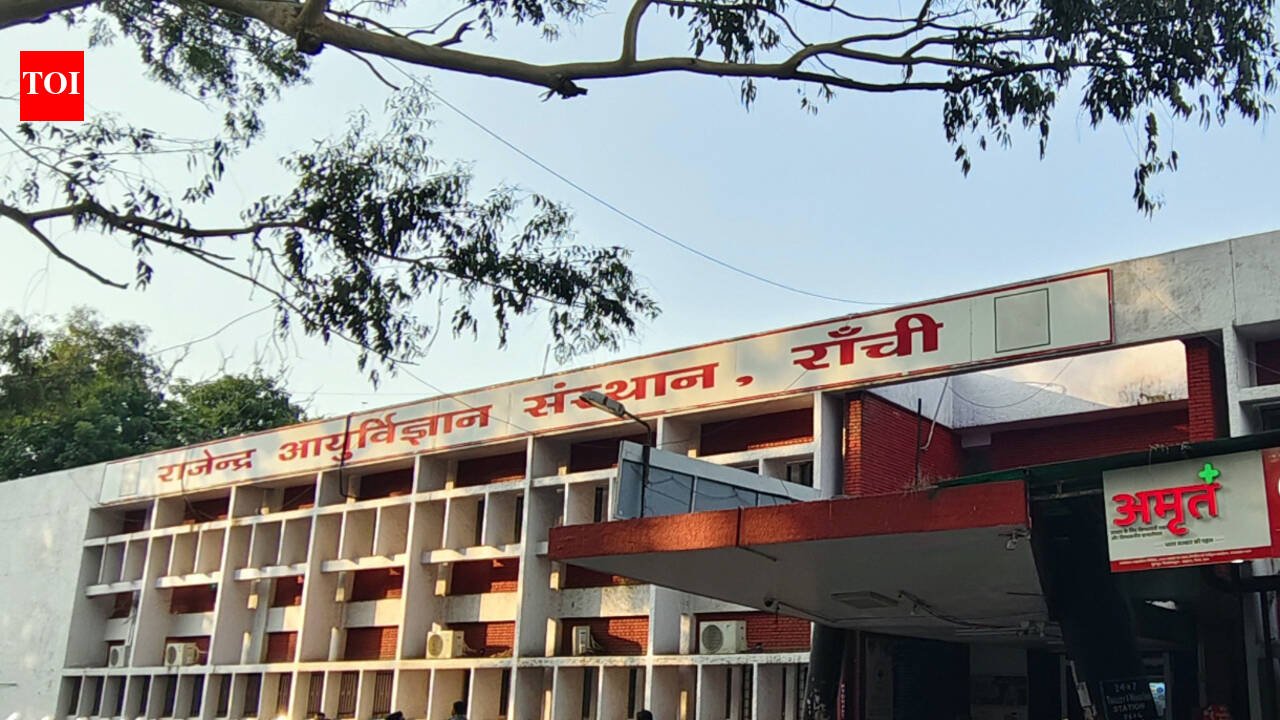
Ranchi: Rajendra Institute of Medical Sciences (Rims) is set to establish the first human milk bank at a govt hospital, improving access to pasteurised donor breast milk for premature, low-birth-weight and critically ill newborns.The project gained momentum after Rotary Club of Ranchi submitted a Rs 46.57-lakh corporate social responsibility proposal for setting up a Comprehensive Lactation Management Centre (CLMC). The Rims administration has accepted the proposal and initiated the administrative process.RIMS director Dipendra Kumar Sinha said the project was at a preliminary stage. “The milk bank will be established under the neonatology wing of the paediatrics department. Necessary formalities are being completed and the facility will benefit newborns requiring specialised neonatal care,” he told TOI.The centre will cater primarily to infants admitted to the hospital’s neonatal intensive care unit whose mothers are critically ill, have delayed lactation or are temporarily unable to breastfeed.Healthy lactating mothers will be able to donate excess breast milk, which will be screened, pasteurised and stored safely before being supplied to newborns on medical prescription. The centre will operate in accordance with Union health ministry guidelines.The facility will have an automated milk pasteuriser, hospital-grade breast pumps, deep freezers, milk storage units, barcode-based tracking and computerised record systems.Rani Children Hospital, a private healthcare facility in the city, already operates a human milk bank. However, the proposed centre at Rims will be the first in the govt healthcare system and is expected to benefit infants referred from district hospitals across the state.The initiative comes amid improvements in Jharkhand’s newborn care indicators. NFHS-6 (2023-24) data shows institutional deliveries increased to 77.4%, while newborns receiving postnatal care within two days of birth rose from 68.7% to 77.3%.State child health nodal officer Vijay Rajak said donor milk was particularly beneficial for vulnerable newborns. “When a mother is temporarily unable to breastfeed, screened donor milk helps reduce infections, improves feeding tolerance and supports healthy growth during the critical early days,” he said.


