






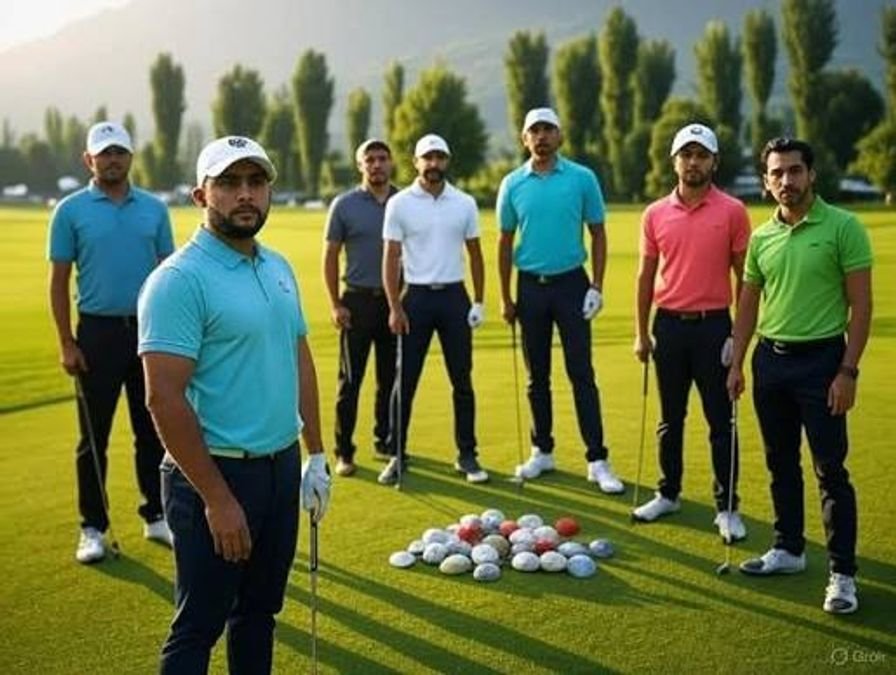
Kashmir has long been sold to the world through the language of beauty. Its mountains, meadows and rivers have defined the Valley’s public image for decades. But every now and then, a different opportunity appears, one that can widen the region’s economic imagination beyond seasonal sightseeing. Chief Minister Omar Abdullah’s pitch to restore Kashmir’s place on India’s golf map deserves to be seen in that light: not as a vanity project for elites, but as a serious attempt to diversify tourism, revive sporting infrastructure and reclaim an arena where Kashmir once held prestige. The point is not whether golf is the sport of the many. It is not. But in a place where tourism remains one of the most important engines of livelihood, even niche sectors can generate meaningful spillover. Visitors who fly in for tournaments spend on hotels, transport, food, recreation and local services. They help extend the tourist season and bring a different kind of visibility to destinations such as Srinagar, Pahalgam, Gulmarg and Jammu. If managed well, golf tourism can add depth to Kashmir’s tourism basket rather than compete with it. What makes Omar Abdullah’s remarks noteworthy is that they go beyond ceremonial enthusiasm. His call to make the Professional Golf Tour of India event an annual fixture, establish a golf academy and improve sports infrastructure suggests an understanding that image alone cannot sustain a sector. Kashmir does not need a one-off tournament and a round of headlines. It needs a calendar, a pipeline and an institution. That means regular events, training pathways for young talent and facilities that can host athletes and visitors at national standards. The emphasis on local golfers is especially important. Too often, sporting events in the Valley are discussed only in terms of external glamour. But the real test of sporting revival lies in whether young people in Kashmir get access, coaching and exposure. A golf academy, if properly planned, could create that bridge. It could help children from ordinary backgrounds enter a sport that has traditionally remained inaccessible, while also allowing local amateurs to compete alongside professionals and learn from them. There is also a larger sporting argument here. Kashmir’s recent cricketing progress has already changed perceptions. The performances of J&K players in domestic cricket, and their entry into the IPL on merit, have shown that talent in the Union Territory needs only opportunity, infrastructure and continuity. Golf can follow a similar path if the government matches ambition with execution. The same is true for cricket, where international-standard stadiums remain overdue. Still, optimism must be tempered by realism. Kashmir has heard many promises before. Infrastructure projects have often stalled, tourism initiatives have sometimes remained symbolic, and good intentions have struggled against bureaucratic inertia. If this golf push is to matter, it must survive beyond inaugurations and speeches. It must be protected from delay, politics and discontinuity. Kashmir can reclaim a place on India’s golf map, but only if the course is mapped in policy, not just in rhetoric.


