






Bhubaneswar: Prime Minister Narendra Modi’s mention of Bhubaneswar in the latest edition of Mann Ki Baat on Sunday has highlighted Odisha’s growing efforts in rainwater harvesting and groundwater recharge under the Centre’s Catch The Rain campaign. Highlighting the success of community-led water conservation initiatives, Modi cited Bhubaneswar among a handful of cities where the campaign has produced encouraging results.Speaking in the 136th episode of his monthly radio programme, the Prime Minister said the ministry of Jal Shakti’s campaign, built around the message “Catch the rain, where it falls, when it falls”, has gathered momentum across the country through participation of citizens, urban local bodies and community organisations.
CJP Jantar Mantar Protest Updates
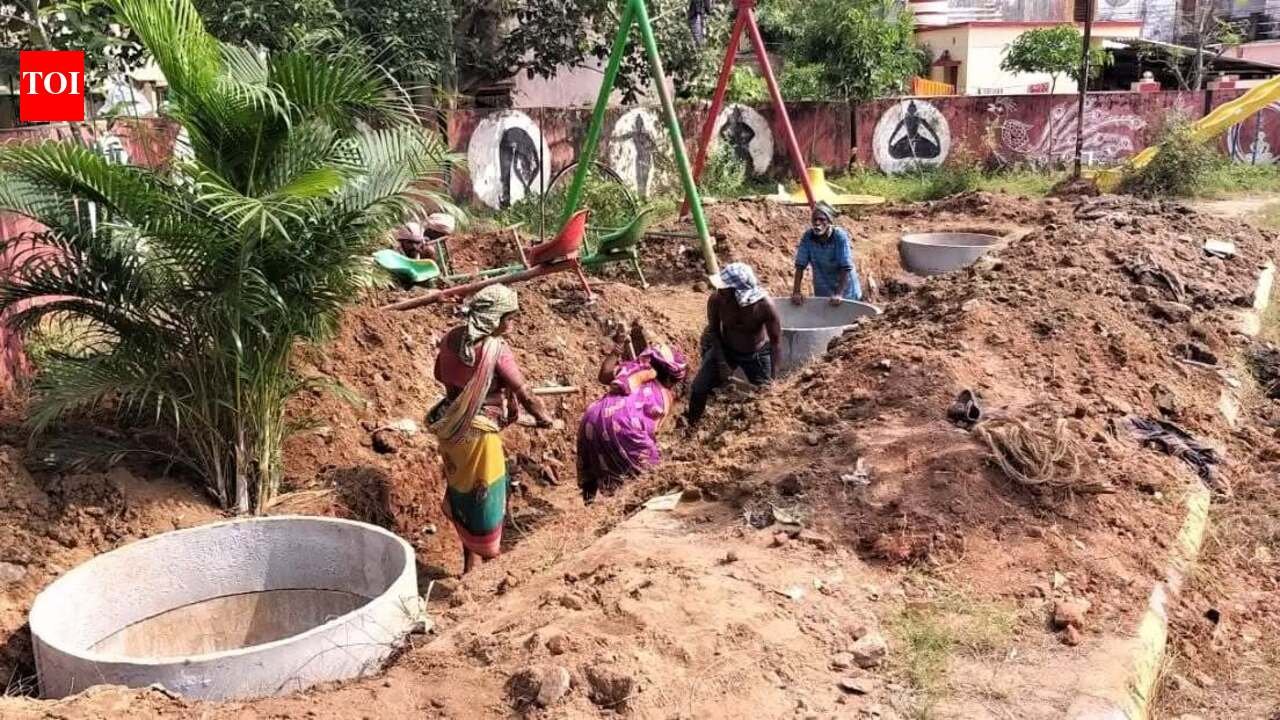
“Our cities as well are not lagging either; encouraging results from this campaign are visible in Korba (Chhattisgarh), Bhubaneswar (Odisha) and Vizianagaram (Andhra Pradesh),” said the Prime Minister, urging the community to take responsibility for a pond, well or stepwell in the vicinity to save every drop of water.The recognition comes at a time when the Bhubaneswar Municipal Corporation (BMC) has intensified efforts to improve urban water resilience. In a recent post on X, the civic body said it is developing shallow aquifer recharge pits across the city to enhance groundwater recharge, reduce waterlogging and strengthen long-term water security.The initiative forms part of a broader strategy undertaken under the Catch The Rain campaign, which was launched by the ministry of jal shakti to promote rainwater harvesting, revival of traditional water bodies, groundwater recharge and afforestation. The campaign has evolved into an annual nationwide programme covering both rural and urban areas.Earlier this month, the BMC formally launched the Catch The Rain awareness campaign in the city, urging residents to adopt rainwater harvesting systems and participate in conservation efforts. The civic body outlined measures including construction of recharge pits and shafts, revival of abandoned borewells for groundwater recharge, restoration of wells and traditional water bodies, desilting of ponds and reservoirs, and removal of encroachments from major drainage channels to improve stormwater flow.Notably, Odisha has emerged as one of the states actively pursuing a groundwater recharge system through a combination of engineering interventions and community participation. Under the broader Jal Sanchay Jan Bhagidari initiative, rainwater from schools, colleges, govt offices and other institutional buildings is being channelled into recharge wells, while ponds and tanks are being equipped with recharge structures to facilitate aquifer replenishment.Experts say Bhubaneswar’s focus on aquifer recharge is particularly significant amid the twin challenges of rapid urbanisation and recurring waterlogging. “By directing run-off into recharge structures, the city can not only mitigate flooding but also replenish underground water reserves that serve as a critical source during dry months. Catch the Rain is a groundbreaking initiative,” water safety activist Sanchak Moharana said.


