






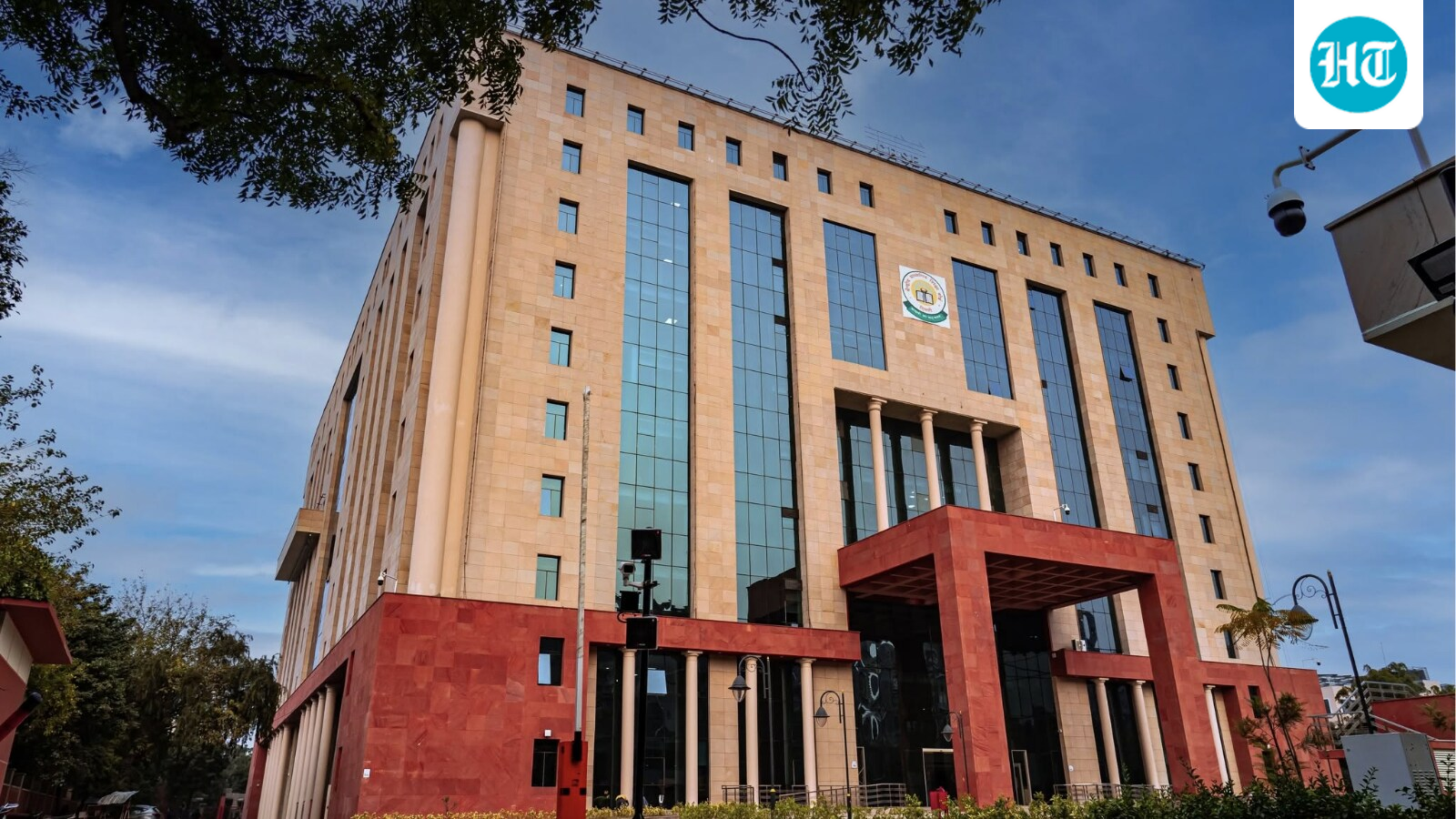
The Central Board of Secondary Education (CBSE) has not yet received a sanction order for paying Coempt Edu Teck, its vendor for a controversial on-screen marking system (OSM) that was marred by glitches after it was introduced in its 2026 board examinations for class 12. And, its finance section has no information on penalties imposed on the company.
This was revealed by the board in an October 14 reply to a Right to Information application filed by HT on August 22, five months after the board and the company faced scrutiny and criticism over student complaints of blurred answer sheets, mismatched copies and technical glitches before and after the Class 12 results were announced on May 13.
CBSE officials told HT in June, it would penalise Coempt EduTeck, for shortcomings in the online evaluation system.
In response to an RTI question on whether penalties have since been imposed on the company, CBSE’s finance department said: “No such information is available with the Finance Section.”
Responding to a question on whether CBSE had paid Coempt, the board said: “As per the records maintained in the Finance Division, no sanction order for payment towards the scanning of Class 12 examination answer books to any company/firm has been received in the Finance Division to date.”
CBSE, the education ministry and Coempt EduTeck did not respond to repeated attempts seeking comment for this story.
The August 2025 tender, on the basis of which Coempt was awarded the OSM contract, provided for financial penalties, including ₹1 lakh for every 15-minute delay in rectifying an issue flagged by CBSE. It also prescribed fines for delays in submitting root-cause analyses and providing technical support and training. However, on September 20, 2025, a corrigendum removed key references to blacklisting a vendor for such issues before Coempt was awarded the contract on December 5 that year.
Under the August 2025 tender, payment was to be calculated based on the actual number of Class 12 answer books scanned and uploaded, and was to be released after completion of all exam-related formalities, including results based on re-evaluated scripts, a CBSE official had told HT in June.
Also Read | A teen whistleblower, portal chaos, cyberattacks and a leadership shake-up: How CBSE’s OSM row snowballed
In an initial reply on September 28 to HT’s RTI application, CBSE said 11,37,560 answer books had been scanned and sent to students by 6pm on May 26, the extended deadline for such applications.
CBSE conducted its Class 12 examinations from February 17 to April 10 and declared the results on May 13; the pass percentage fell to 85.20% from 88.39% in 2025.
HT’s reporting has painted a picture of the OSM process rushed through without adequate preparation and training, with serious consequences for students. The rollout drew complaints over unexpectedly low marks when results were announced on May 13, and later students reported blurred scanned answer sheets, unchecked answers and discrepancies between marks awarded on individual pages and final totals during the re-evaluation process from May 19 onwards.
On June 2, the Centre transferred CBSE chairman Rahul Singh to the agriculture ministry and prematurely repatriated secretary Himanshu Gupta to his parent cadre, the Ministry of Home Affairs.
The Cabinet Secretariat on June 2 also constituted a one-member committee headed by S Radha Chauhan, chairperson of the Capacity Building Commission, to probe the procurement of OSM services. The panel was asked to submit its report to the Department of Personnel and Training (DoPT) within a month. On September 25, the Centre appointed Mandeep K Bhandari as CBSE chairperson, replacing Lokhande Prashant Sitaram and making Bhandari the third person to head the board in less than four months.


