Srinagar, Mar 22: With Eid festivities now over, traders across Kashmir are taking stock of a season that brought steady business but lacked the intense rush traditionally associated with the festival, as online shopping continues to reshape buying patterns.
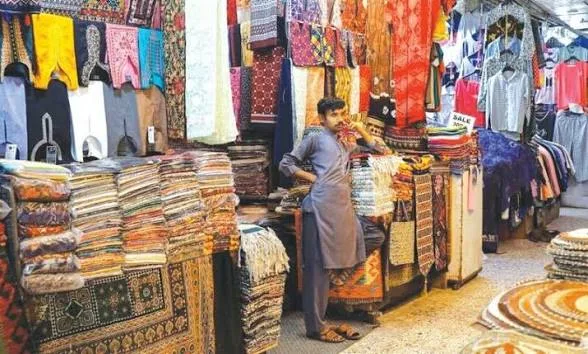
Markets across Srinagar, including Lal Chowk, Residency Road, Maharaj Gunj and Nowhatta, witnessed consistent footfall in the days leading up to Eid, particularly during evening hours. However, shopkeepers say the crowds were more measured, with fewer last-minute surges compared to previous years.
“This Eid was good in terms of sales, but the peak rush was missing,” said Mushtaq Ahmad Bhat, a garment dealer at Lal Chowk. “People had already completed much of their shopping online.”
Traders noted that customers arrived with clear preferences, often influenced by products seen on social media or e-commerce platforms.
“Buyers were very specific this time. They knew what they wanted and how much it should cost,” said Tariq Ahmad Mir, a footwear trader at Residency Road. “Online platforms have made customers more aware.”
According to market estimates, Eid-related trade in Kashmir still ran into hundreds of crores, covering garments, footwear, bakery items, poultry and other essentials. However, a growing share of this spending shifted to online sellers, including home-based businesses operating through Instagram and WhatsApp.
“The competition from online sellers is increasing every year,” said Ghulam Nabi Dar, a trader at Maharaj Gunj. “They offer lower prices because their costs are lower. That directly impacts our sales.”
The trend was also visible in bakeries, where demand remained strong, but purchasing patterns changed.
“We had good orders, but many were placed through phone or social media,” said Shabir Ahmad Khan, a bakery owner in downtown Srinagar. “Walk-in customers were slightly fewer compared to earlier years.”
Adding to the concerns, traders said the duration of peak business has also shortened.
“Earlier, the rush would build up over the last ten days of Ramadan. Now it is limited to just two or three days,” said Bashir Ahmad Wani, a shopkeeper at Nowhatta. “Online shopping has changed the buying pattern.”
Some traders also pointed to the growing influence of discount-driven online campaigns. “People wait for online deals and compare them with market prices,” said Mohammad Yousuf Sheikh, a readymade garments dealer. “Even a small price difference pushes them to order online.”
Shoppers, on the other hand, said they are increasingly combining both modes—online and offline—to make the most of convenience and pricing. “I ordered some items online and bought the rest from the market,” said Iqra Bashir, a student. “Online helps save time, but visiting markets is still important for certain things.”
Mohammad Irfan Lone, a resident of Bemina, said rising prices also influenced buying decisions. “We planned our purchases carefully this time. Online options helped us compare prices before buying.”
Interestingly, traders observed that online platforms are not only competing with them but also shaping demand.
“Many customers came with photos from social media and asked for similar designs,” said Nissar Ahmad Shah, a retailer at Nowhatta. “So in some ways, online trends are also driving sales in markets.”
In response to the changing landscape, several traders have started adopting digital tools themselves. “We are now active on WhatsApp and social media to stay connected with customers,” said Adil Rashid, a garment seller. “A mix of online and offline business is the future.”
While the festive glow has faded and markets return to routine, this Eid season has once again highlighted a clear shift in Kashmir’s retail landscape—where traditional bazaars continue to function steadily, but increasingly under pressure from the fast-growing digital marketplace.