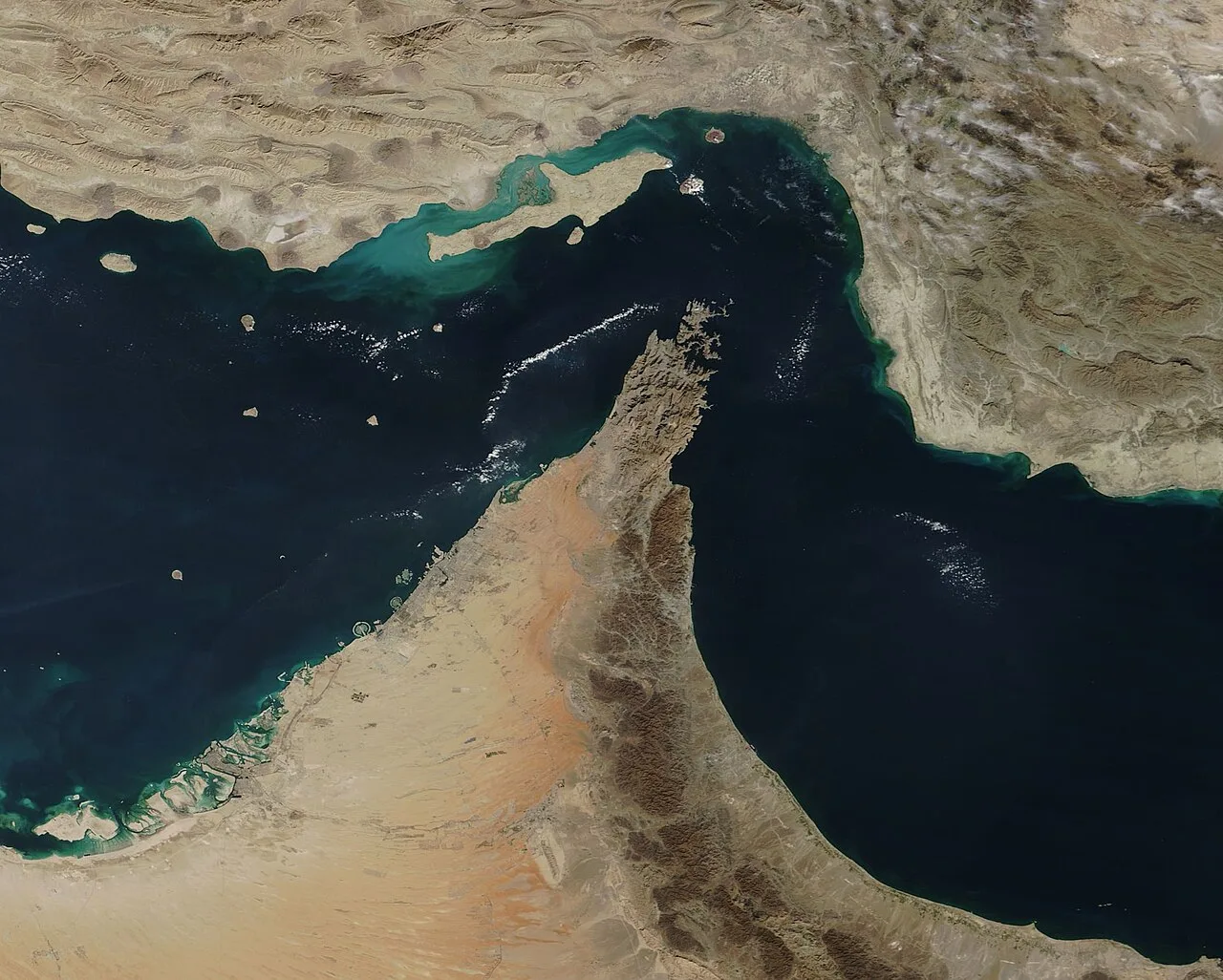
On World Water Day, global attention remains fixed on familiar crises. The Strait of Hormuz sits at the centre of energy anxiety. Europe continues to debate security and cost. The Middle East absorbs the aftershocks of ongoing conflict. Yet beneath these headline events, a quieter and potentially more destabilising shift is underway. Water is moving from resource to instrument.
Across multiple regions, rivers are no longer governed only by treaties or technical arrangements. They are increasingly shaped by strategy. Ethiopia’s Grand Renaissance Dam has altered the balance along the Nile. China’s upstream dam construction is raising concern across downstream South and Southeast Asia. In South Asia, tensions around the Indus system have intensified, with both India and Pakistan raising objections over projects, flows, and interpretation of treaty provisions.
The shift is subtle but important. Disputes that were once framed as technical disagreements are now embedded within broader geopolitical competition. This is not accidental. It reflects a structural change in the international system.
“The End of the World Is Just the Beginning” argues that the stability of globalisation depended on a system in which major conflicts were contained by overarching security arrangements. As that system weakens, geography reasserts itself. Trade routes become contested. Supply chains fragment. And increasingly, natural resources become leverage. Water fits directly into this pattern.
Unlike oil, water cannot be easily substituted. Unlike energy, it cannot be transported across long distances at scale without infrastructure. It binds upstream and downstream regions into relationships that are both permanent and unequal. This is what makes river systems uniquely sensitive.
The Indus basin is a clear example. For decades, the Indus Waters Treaty has been cited as one of the most durable agreements between India and Pakistan. It has survived conflict, political change, and repeated crises. Yet durability should not be mistaken for absence of tension.
In recent years, disagreements over hydroelectric projects, data sharing, and treaty interpretation have grown more frequent. Each dispute, taken in isolation, appears manageable. Taken together, they signal stress.
For Jammu and Kashmir, this is not abstract. The rivers that define the Indus system originate in or pass through this region. Hydropower development, water storage, and flow management are directly linked to local infrastructure, energy needs, and broader national strategy.
Downstream, the stakes are higher. Agricultural systems in Pakistan depend heavily on predictable flows. Any perception of disruption, whether real or anticipated, carries political and security implications. This creates a layered dynamic.
At one level, water remains a shared necessity. At another, it becomes a tool of signalling. Infrastructure decisions carry strategic meaning. Technical disagreements acquire political weight. The risk lies not in immediate conflict, but in cumulative pressure.
Water disputes rarely trigger sudden escalation. They build gradually. Each project, each disagreement, each delay adds to a system under strain. When combined with other tensions, they amplify instability.This is where the broader geopolitical environment matters.
The weakening of multilateral frameworks reduces the ability to manage such disputes. Institutions that once played mediating roles have less influence. Regional platforms remain underdeveloped. Trust deficits deepen. In this environment, bilateral issues become harder to contain.
India’s position is central. As an upstream power in the Indus system, it holds structural advantage. That advantage brings both opportunity and responsibility.
There is a domestic dimension. Infrastructure development, particularly in hydropower, aligns with energy and economic goals. There is also a strategic dimension. Demonstrating control over resources can serve as a signal in a broader security context. But these considerations must be balanced against long-term stability.
Water systems do not operate in isolation from politics. Actions taken within river basins resonate beyond them. Perceptions of control can translate into perceptions of coercion. In a region already marked by distrust, this matters.
There is also a wider geopolitical layer. China’s presence in South Asia, including its investments and partnerships, intersects with regional dynamics. Any increase in tension between India and Pakistan creates space for external influence. This is not theoretical. It is already visible in infrastructure, diplomacy, and security alignment. A prolonged water dispute would reinforce this pattern.
This does not imply that India should limit its development. It implies that development must be paired with clarity, communication, and adherence to established frameworks.
The alternative is gradual destabilisation. The deeper issue extends beyond South Asia. It reflects a global transition.
Water is emerging as a defining resource of the 21st century. Climate change is altering availability. Population growth is increasing demand. Infrastructure is reshaping distribution. Governance systems are struggling to keep pace. In such a context, the line between management and control becomes thin.
This is where Marshall’s argument returns with force. Geography does not dictate outcomes. But it sets limits. Rivers create dependencies that cannot be undone. The challenge for states is not to escape these constraints, but to manage them without turning them into points of conflict. The question is whether current systems are capable of doing so.
On World Water Day, the focus often remains on conservation and access. These are critical. But they are no longer sufficient. Water must also be understood as a strategic variable. The rivers flowing through this region have sustained civilisations long before modern states emerged. They will continue to flow long after current disputes fade. The issue is not the rivers themselves. It is how they are used.
If they become instruments of pressure, the consequences will extend far beyond any single basin. If they remain frameworks of cooperation, they can anchor stability in an otherwise uncertain environment. That choice is not abstract. It is being made now, in policies, projects, and negotiations that rarely capture public attention. But they will shape the future of this region.