









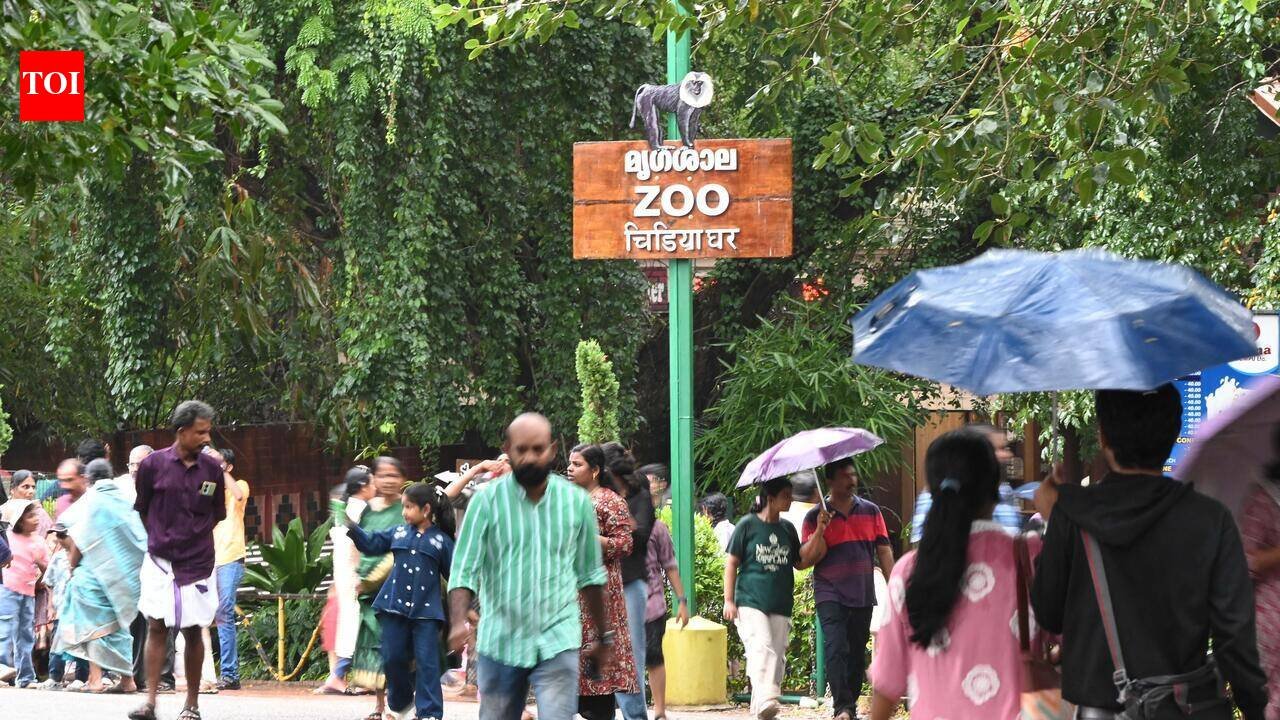
Thiruvananthapuram: A proposal to move the Thiruvananthapuram Zoo out of the city and into a forest-adjacent location has opened a larger question than where animals should be housed: Can a 167-year-old institution be separated from the city that grew around it?Chief minister V D Satheesan, speaking at the Reimagining Keralam programme a few days ago, suggested shifting the zoo to a site such as Neyyar, arguing that wild animals should not be kept in the middle of a densely populated city. He called it a “dream project” and suggested turning the existing city-centre site into a large public space modelled on Madison Square or an iconic European city square.The idea has since split opinion. A section see an opportunity to create a larger, more naturalistic zoological park, while others see a threat to one of the capital’s most recognisable heritage landscapes.The strongest argument for relocation is space. The zoo was established in 1859, when the area around it looked nothing like today’s congested capital. Its own master plan already envisages a shift from conventional enclosures to more naturalistic habitats, in line with the Central Zoo Authority’s broader push for adequate space over large captive numbers. The existing zoo covers about 33 acres. A new facility built from scratch could offer larger enclosures, better veterinary infrastructure, dedicated quarantine and breeding centres, and stronger visitor amenities, while freeing prime capital land for a major public space.The counterargument is that the zoo is not simply a collection of cages. Its natural lake and wooded landscape support 93 free-roaming bird species, including migratory birds, alongside butterflies, dragonflies and more than 100 plant species. WWF-India state head Renjan Mathew Varghese said the zoo’s location is central to its educational value: “The Zoo is successful due to its location. Moreover, I can say that Thiruvannathapuram zoo is better than many zoos in other parts of the country. So the sudden proposal to relocate the zoo is unnecessary.”That case is backed by numbers. The zoo draws around 14 lakh visitors a year. Over the recent Onam season (Aug 25–30), the zoo and museum complex logged 55,860 visitors and Rs 29.97 lakh in revenue, the zoo alone taking Rs 22.93 lakh in tickets, up from Rs 17.10 lakh in the same period last year.Its history adds weight to the debate. The museum opened in 1857 and the zoo and gardens followed in 1859, rooted in the Travancore royal tradition; it is officially one of the oldest zoos in India, and the oldest still at its original site.Animal welfare cuts both ways. The zoo currently houses 1,025 animals across 98 species. Former senior zoo veterinarian Dr Jacob Alexander, who served there for 35 years, said a forest-edge move could hurt care rather than help it: “Animals are more likely to receive prompt and specialised care when they are located close to the city and medical facilities. The farther the zoo is moved into a forested area, the greater the challenges in providing immediate veterinary and other animal-care services.” Citing animal deaths at the Neyyar Lion Safari Park, he questioned whether adequate veterinary care could be guaranteed at a remote site, and said there is no immediate need to shift the zoo at all.Meanwhile, some young people and the Trivandrum Chamber of Commerce and Industry (TCCI) have supported the relocation, provided the existing greenery and ecosystem are preserved and the land is not commercialised. “We are not against relocating the zoo. The land should not be handed over for commercialisation or any other purpose,” said TCCI president S N Reghuchandran Nair. He suggested that the site could be developed as a green public space along the lines of Bengaluru’s Lalbagh.However, the proposal remains an idea, not an approved project. Any relocation would require a feasibility study, land identification, a new zoological master plan, Central Zoo Authority approvals, environmental assessments, funding and a detailed animal-transfer programme.


