



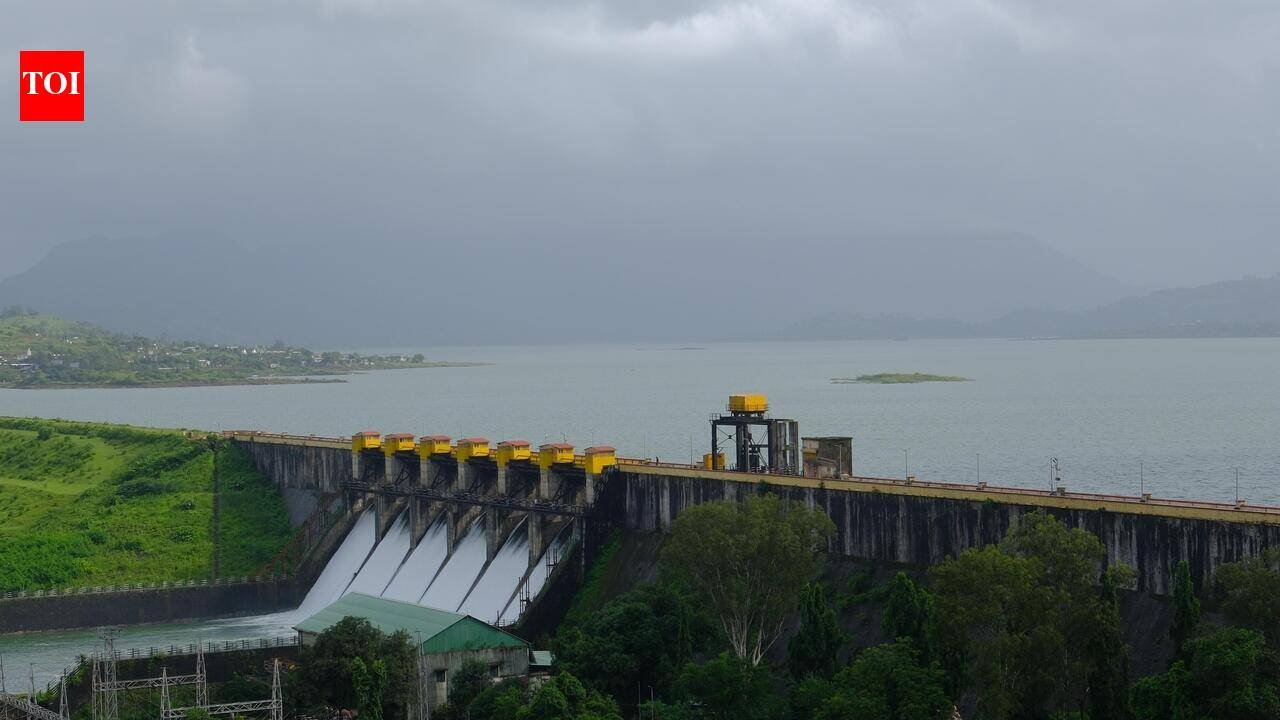
Pune: Farmers from several villages in Maval have announced an agitation on July 1 ahead of chief minister Devendra Fadnavis’s meeting on the long-pending Pavana closed water pipeline project.The farmers are against their exclusion from discussions and reiterated opposition to the plan.At a meeting held on Monday, various farmers’ organisations decided to stage a protest march outside the Wadgaon Maval tehsil office. They alleged that while MPs, MLAs and govt officials had been invited to the CM’s meeting scheduled on July 3, no representative of the affected farmers had been approached.President of the Pavana Closed Water Pipeline Project Kruti Samiti Dnyaneshwar Dalvi, “The govt cannot take any decision on the project without consulting the farmers. Decisions taken in our absence will not be acceptable.”Dalvi said several political organisations had extended support to the protest and warned that the agitation would be intensified, if the govt failed to address the farmers’ demands.The project has remained in limbo since 2011 after protests by farmers turned violent, leading to police firing in which three people were killed. Work was yet to resume after the state govt lifted the stay on the project in 2023.Farmer Yashwantrao Bodke of Gahunje said they were not opposed to supplying water to Pimpri Chinchwad through a closed pipeline, but objected to drawing water directly from the Pavana dam. “Our demand is that the pipeline should begin from Gahunje and not from the dam to ensure downstream irrigation,” he said.According to the farmers, nearly 75 villages along the Pavana river between the dam and Pimpri Chinchwad depend on the river for irrigation. They fear that diverting water directly through the pipeline would reduce the river flow, threatening the livelihood of small farmers — many of whom own just one or two acre of land.The farmers have also reiterated their long-pending demand for rehabilitation of families who had surrendered land for the construction of the Pavana dam in 1972. The displaced farmers were then promised four acre of land each as rehabilitation — two acre in the vicinity of the dam and another two acre elsewhere in the district, subject to availability. However, despite repeated assurances and several rounds of meetings with ministers, including the relief and rehabilitation minister and the district guardian minister, the rehabilitation process remained incomplete — with the affected families still awaiting a final resolution.


