


When people worry about cholesterol levels, they are usually referring to LDL or low-density lipoprotein cholesterol. According to the Cleveland Clinic website, lipoproteins are particles made of lipids (fats) and proteins that carry fats through the bloodstream.
Also Read | Doctor explains how lifestyle issues like stress and poor sleep impact male fertility
In the case of LDL, particles contain a large amount of cholesterol and a smaller amount of proteins. As such, too much of it places one at a higher risk of a stroke or heart attack.
While a healthy lifestyle is known to keep cholesterol levels in check, some dietary supplements help the process, according to Dr Kunal Sood, a Maryland-based physician in anesthesiology and interventional pain medicine.
Taking to Instagram on June 19, he listed five of them and explained how they worked. They are presented as follows.
1. Psyllium husk
Psyllium husk, popularly known as isabgol, is a soluble gel-forming fibre that binds bile acids and reduces cholesterol reabsorption. “Because bile acids are made from cholesterol, the liver pulls more LDL from the bloodstream to replace them,” noted Dr Sood, adding, “Meta-analyses show modest reductions in LDL cholesterol with regular use.”
2. Plant sterols
Plant sterols are natural compounds found in plants that resemble cholesterol and compete with it for absorption in the intestine. According to Dr Sood, “This reduces the amount of cholesterol entering circulation and may increase LDL clearance by the liver. Clinical reviews suggest LDL reductions of roughly five to 15 percent in some individuals.”
3. Omega-3 fatty acids
Omega-3 fatty acids are healthy fats. They are better established for lowering triglycerides than LDL cholesterol, as per Dr Sood. “They reduce hepatic triglyceride production and improve lipid metabolism, which may help improve the broader cardiometabolic environment even when LDL changes are modest,” noted the physician.
4. Garlic extract
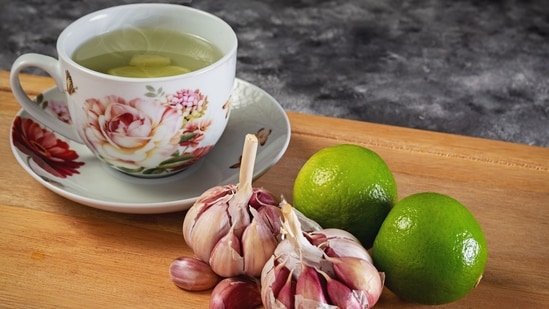
Garlic contains sulfur-containing compounds that may influence cholesterol synthesis and lipid oxidation. “Meta-analyses have found modest reductions in total and LDL cholesterol, although effects vary by preparation and dose,” shared Dr Sood.
5. Green tea
Green tea catechins (antioxidants), especially epigallocatechin gallate or EGCG, may reduce cholesterol absorption and increase bile acid excretion. According to Dr Sood, “Studies suggest modest reductions in LDL cholesterol, making green tea a useful supportive habit alongside other lifestyle measures.”
“These supplements may support LDL management, but they are not substitutes for other evidence-based therapies when cardiovascular risk is high,” cautioned the physician. “Discuss with your doctor prior to starting any supplements,” he added.
Note to readers: This article is for informational purposes only and not a substitute for professional medical advice. Always seek the advice of your doctor with any questions about a medical condition.
This report is based on user-generated content from social media. HT.com has not independently verified the claims and does not endorse them.
