



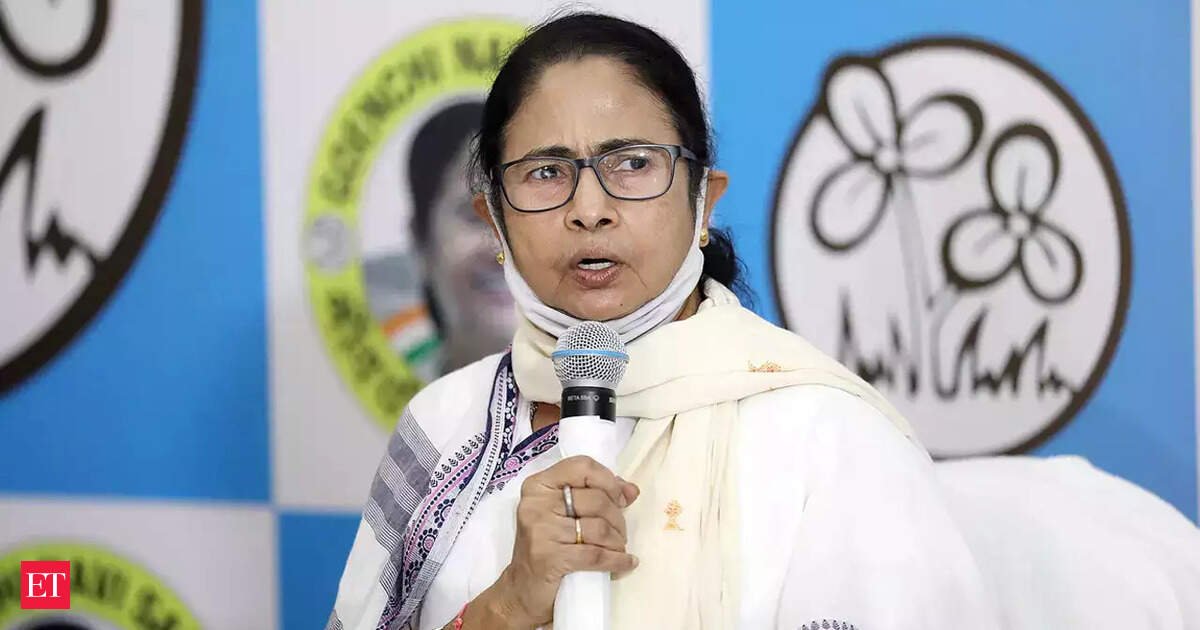
The divergent voices emerged after a meeting of the rebel legislature bloc led by newly recognised Leader of Opposition Ritabrata Banerjee, exposing the delicate balancing act facing the dissidents as they seek to distance themselves from party MP Abhishek Banerjee while retaining their political and emotional association with the TMC founder.
“We were told that the party would continue under Mamata Banerjee’s leadership. She is not merely an adviser. We want the party to function under her leadership,” rebel MLA Gulshan Mullick told reporters after the meeting.
The remarks followed Ritabrata’s proposal on Wednesday that the former chief minister should serve as the “chief adviser” to the reconstituted legislature party.
“If Mamata Banerjee is not accepted as the supreme leader, then we will have to think whether we should remain in this bloc or not,” the Panchla legislator said.
The remarks exposed the central contradiction of the rebellion — a revolt carried out in Mamata Banerjee’s name but one that now risks opening a debate over her future role in the party she founded nearly three decades ago.
His comments assume significance because many of the 58 MLAs who backed Ritabrata’s dramatic takeover of the legislature party had repeatedly maintained during the revolt that their battle was not against Mamata Banerjee but against what they described as the growing influence of her nephew and former party national general secretary Abhishek Banerjee.Another rebel MLA, Sangeeta Roy Basunia of Sitai, echoed the sentiment.
“Mamata Banerjee is our supreme leader and will remain so. She cannot be an adviser. She is our leader,” Basunia said.
Ritabrata’s suggestion had been widely interpreted as an attempt by the dissidents to soften the political blow of the rebellion and reassure Trinamool workers that the movement was not directed against the party supremo herself.
But Thursday’s statements indicated that sections within the rebel camp are uncomfortable with any formulation that appears to diminish Mamata Banerjee’s authority.
The issue goes to the heart of the rebellion itself.
The dissidents have sought to portray their movement as a course correction rather than a revolt against the leader who founded the party in 1998 and led it from the margins of opposition politics to power in 2011.
In their communication to the Assembly Speaker, the rebels continued to recognise Mamata Banerjee as chairperson of the Trinamool Congress even as they made it clear that they no longer accepted Abhishek Banerjee’s authority over the functioning of the legislature party.
That distinction has become the rebellion’s central political argument — separating loyalty to Mamata from opposition to Abhishek.
For the dissidents, it has also served as a shield against accusations that they are attempting to dismantle the party’s founding leadership structure.
At Thursday’s meeting, the rebel legislators also discussed constituency-level issues, pending cases involving party workers and what they described as administrative concerns affecting their districts.
Mullick said a committee had been constituted to take up these issues with the state government and senior officials.
“We discussed problems faced by people in our constituencies, court cases and police excesses. A team has been formed which will speak to the chief minister and the DGP on these matters,” he said.
The developments come amid continuing churn within the TMC following its electoral defeat at the hands of the BJP and the unprecedented split in its legislature wing.
On Wednesday, 58 MLAs wrested control of the legislature party, elected expelled leader Ritabrata Banerjee as Leader of Opposition and secured recognition from the Assembly Speaker, triggering the gravest internal crisis in the party’s 28-year history.
The dramatic rebellion exposed a widening disconnect between the party organisation and its elected representatives, opening up larger questions over leadership, succession and the future direction of a party that has dominated Bengal politics for more than a decade.
It also marked the first time since the TMC’s formation that a substantial section of its legislators openly challenged the authority of the party’s central leadership while claiming to be the authentic inheritors of its political legacy.
For many rebel legislators, the rebellion was conceived as a challenge to Abhishek Banerjee’s authority rather than Mamata Banerjee’s leadership.
But as the dissidents attempt to define a new power structure after their stunning legislative coup, that carefully maintained distinction is beginning to blur.
How they resolve that contradiction may determine whether the rebellion remains a pressure movement within the TMC tradition or evolves into a full-fledged political rupture.


